
Uganda foreign docket runs into trouble as (in) legibility clouds Museveni’s appointees
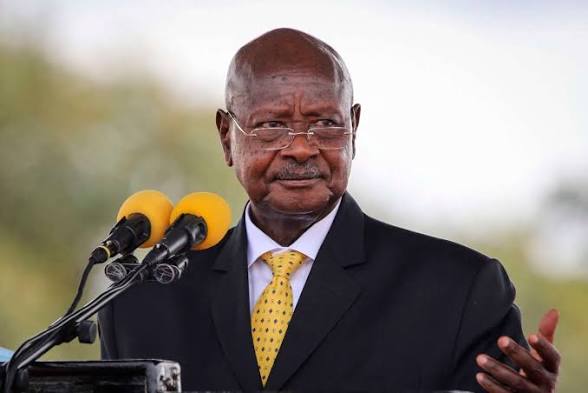

Last month’s Cabinet reshuffle was intended to usher in a new team at Uganda’s Ministry of Foreign Affairs and reset the country’s diplomacy and visibility abroad.
Instead, it has left the ministry facing an uncertain transition after questions emerged over the eligibility of two of President Yoweri Museveni’s three appointees, who cannot immediately assume full political control of the department.
President Museveni swept aside the political leadership of the docket, dropping former minister Gen Jeje Odongo and junior ministers Henry Okello Oryem and John Mulimba. He appointed veteran diplomat Adonia Ayebare as foreign minister, with Calvin Echodu and Kyeyune Haruna Kasolo designated to oversee the international affairs and regional affairs portfolios respectively.
However, two of the three appointees — Ayebare and Echodu — reportedly hold dual citizenship, which under Ugandan law disqualifies them from serving as ministers. Their appointments have thrown the transition into uncertainty, leaving Kasolo, despite having no background in diplomacy, as the only member of the new political leadership currently able to assume office.
On Monday, four ministers-designate, including Ayebare and Echodu, were barred from taking the oath of office pending efforts to regularise their citizenship status.
Last week, the appointees reportedly applied to renounce their dual nationality and become eligible for ministerial positions, according to Head of Public Service Lucy Nakyobe.
“The four, as guided by the President, were engaged over the weekend by myself and the Solicitor General. A brief has been submitted for further guidance from the President,†Ms Nakyobe explained.
Uganda’s Constitution and immigration law state that a person holding dual citizenship cannot serve as president, vice-president, prime minister, cabinet minister or in other ministerial positions.
Ayebare and Echodu, who both hold US citizenship according to immigration records, were initially cleared for office by Parliament’s appointments committee.
The situation has left the ministry in limbo, effectively a diplomatic transition without its top diplomats in place, increasing pressure for the impasse to be resolved without violating the law or disrupting Uganda’s foreign service.
“We are in uncharted waters here,†said Ambassador James Mugume, former Permanent Secretary and Head of the Diplomatic Service at the Ministry of Foreign Affairs. “By pausing their swearing-in, the president wants to be careful because this can set a precedent. But as long as the president is there, it will be sorted.â€
The controversy has also exposed a little-known tension within government policy. While Uganda’s Constitution bars dual citizens from serving as ministers, a draft Diaspora Policy has for years encouraged diplomats abroad to acquire dual nationality to strengthen economic and political engagement in host countries.
“When I was head of the diplomatic service, I encouraged our foreign service officers to acquire dual citizenship based on our Diaspora policy. There is nothing wrong with it, if you are a diplomat,†said Mugume, who retired from the role in 2026.
The draft Diaspora Policy dates back to around 2011. However, it did not envisage a situation where a diplomat holding another nationality would later be appointed to Cabinet.
Even if the citizenship hurdle is cleared, questions about dual nationality and diplomatic service are unlikely to disappear. Sarah Birete, Executive Director of the Centre for Constitutional Governance (CCG), questioned Ayebare’s status on X, asking whether he acquired dual citizenship while serving as an active diplomat and how he managed potential conflicts of allegiance.
Ayebare, whose most recent posting was as Uganda’s Permanent Representative to the United Nations in New York, responded that it is not unusual for foreign service officers to acquire dual citizenship, noting that several diplomatic colleagues also hold dual nationality after spending long periods in the diaspora.
As the appointees await a response from Washington on their request to relinquish US citizenship, the ministry will continue relying on career bureaucrats to manage Uganda’s diplomacy.


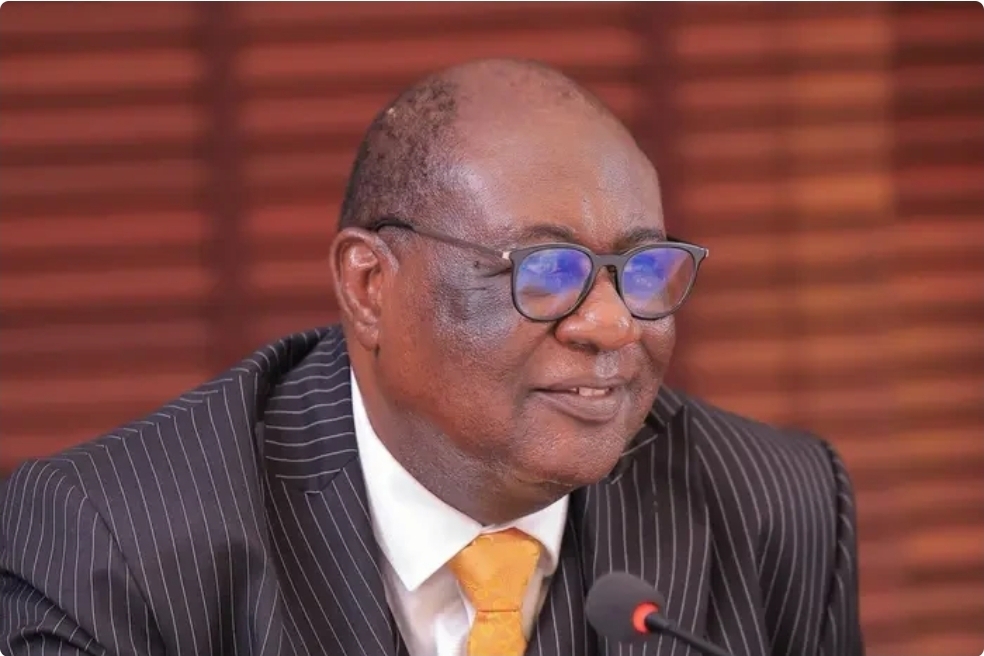 Government will not gazette Kijanangoma as King of Tooro for now - Attorney General insists
Ultimate Uganda
Government will not gazette Kijanangoma as King of Tooro for now - Attorney General insists
Ultimate Uganda
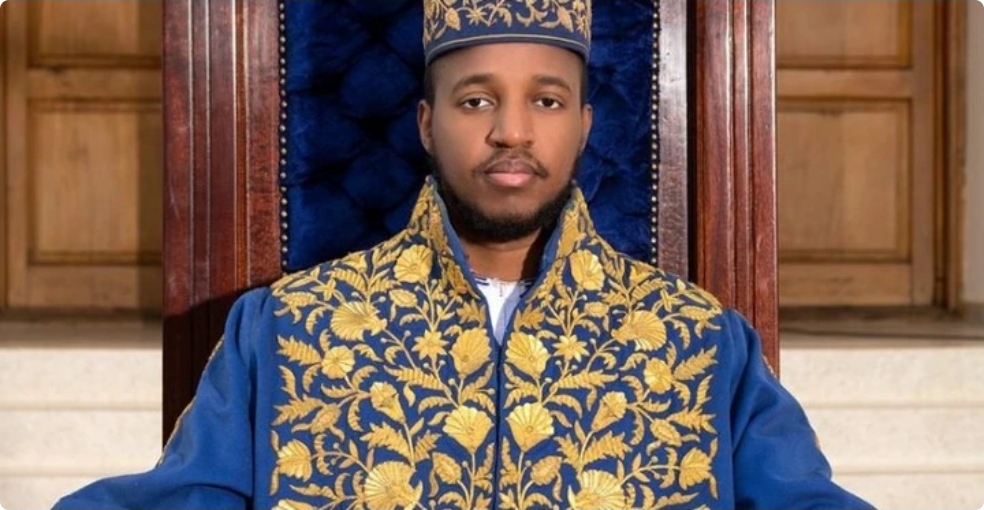 King Oyo’s Body to Arrive Thursday
Ultimate Uganda
King Oyo’s Body to Arrive Thursday
Ultimate Uganda
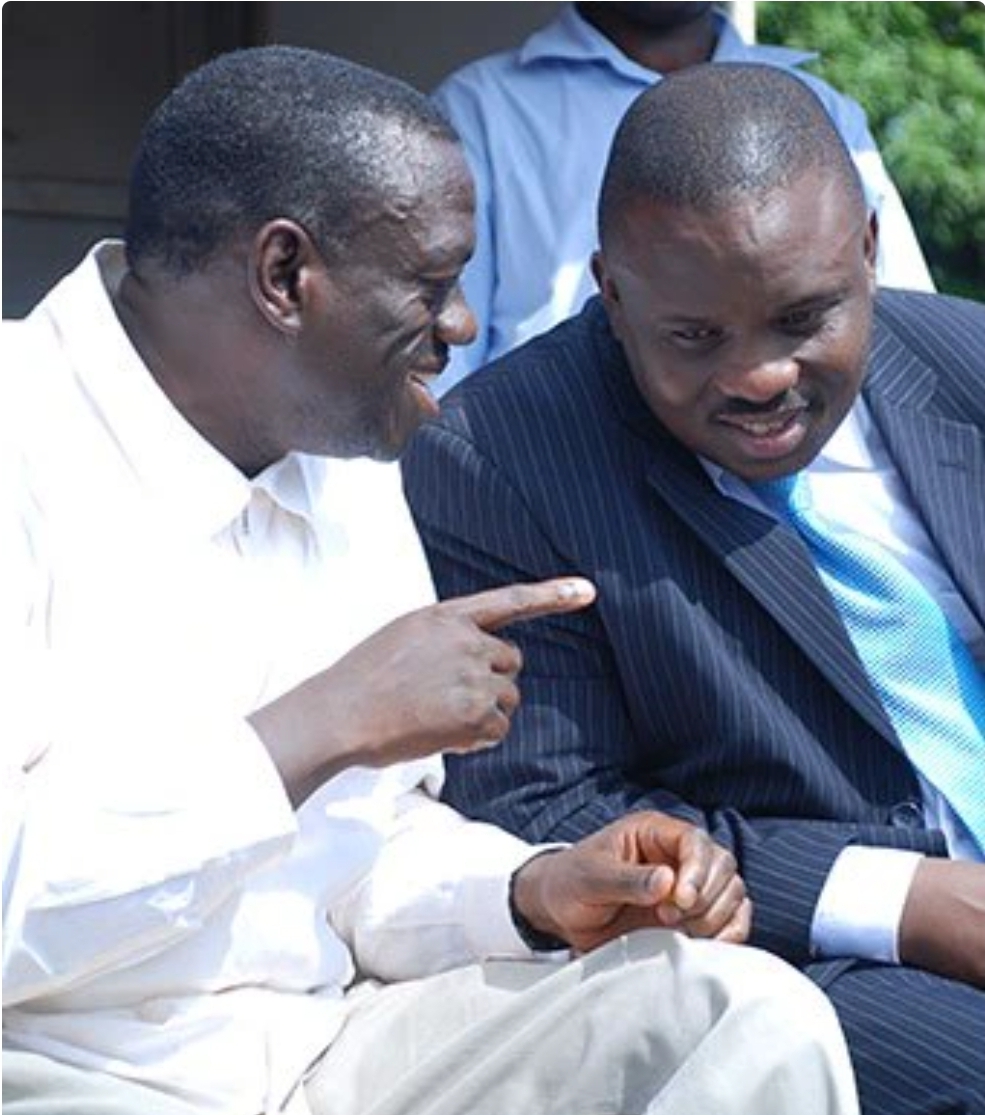 Besigye, Lukwago expected to meet Gen. Salim Saleh today at Kapeeke
Ultimate Uganda
Besigye, Lukwago expected to meet Gen. Salim Saleh today at Kapeeke
Ultimate Uganda
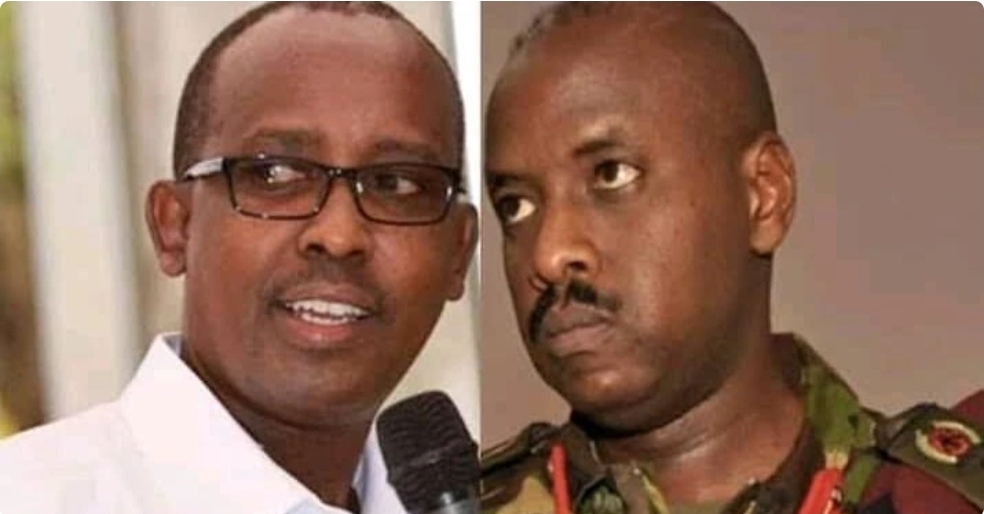 Rwabwogo Advised to ‘Eat His Bishop’ As MK Prepares to Enter State H’se: PREZ MUSEVENI ON HIS WAY OUT
Ultimate Uganda
Rwabwogo Advised to ‘Eat His Bishop’ As MK Prepares to Enter State H’se: PREZ MUSEVENI ON HIS WAY OUT
Ultimate Uganda
0 Comments