
Nationwide crucial reminder to anyone who has a credit card
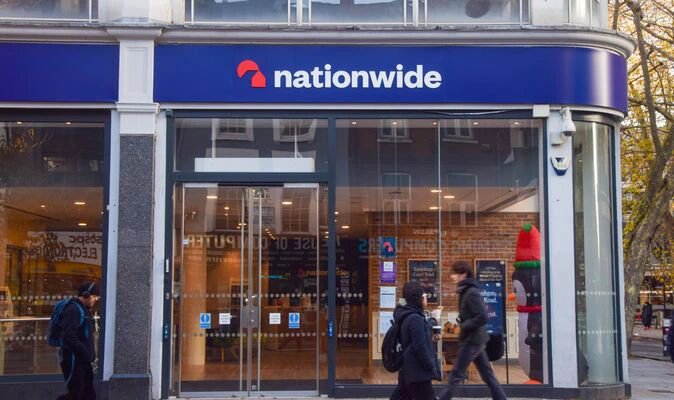

Nationwide, which has more than 16 million customers, has urged caution for anyone considering applying for a credit card. The message also urges people who have a credit card to be careful, as some may not think about the risks.
The building society advises "before you increase your credit card limit" there are a few factors to look at. This includes how much you can really afford to repay and to ensure you are aware of the risks, if any.
While a credit card limit is determined by individual circumstances, including your income, outgoings and credit file, Nationwide reassures customers: "We won’t increase your credit limit unless you ask us to. A higher credit limit could give you more flexibility. However, it may increase the risk of you taking on too much debt.
"This could cost you more overall, and take longer to pay off your borrowing. Consider carefully if you need a higher limit."
Nationwide says you can request to increase the limit on your credit card or apply to reduce the limit. It clarifies: "If accepted, you'll get your new credit limit immediately. But once your credit limit has changed, you'll have to wait 6 months before you can apply to increase it. You can reduce your credit limit at any time."
What is a credit card?
Explaining what a credit card is, it notes that "it can be a convenient way to manage your money. It allows you to pay for goods and services on credit and spread the cost over time. When you use a credit card, you are borrowing money from your card issuer. Credit cards are usually issued by financial organisations such as banks and building societies".
What is the difference between a credit card and a loan?
Both credit cards and loans involve borrowing money, but they work in different ways. A credit card gives you a set spending limit that you can use whenever needed, with the choice to pay off the full balance each month or in smaller amounts over time, though interest may be charged if you don’t clear it in full, unless an interest-free period applies. In contrast, a loan provides a lump sum upfront, which you repay in fixed instalments over a set period, usually with interest, until the full amount is repaid.
How do I choose the right credit card?
Nationwide urges people to think about why they want it and how they will use it. This is because different credit cards have different features. Some popular reasons for choosing a credit card are to:
Reduce the cost of existing debt
Spread the cost of large purchases
Worldwide commission-free purchases
Improve credit score
Clear debt but also spend
Receive cashback and rewards
"Once you decide on the purpose, you can compare offers," it suggests.


 Starlink goes live in Uganda; price comparisons against MTN, Airtel
Ultimate Uganda
Starlink goes live in Uganda; price comparisons against MTN, Airtel
Ultimate Uganda
 NSSF sets September 24 for Annual Members Meeting as savers await interest rate declaration
Ultimate Uganda
NSSF sets September 24 for Annual Members Meeting as savers await interest rate declaration
Ultimate Uganda
 Boda boda riders launch e-commerce, digital loans platform
Ultimate Uganda
Boda boda riders launch e-commerce, digital loans platform
Ultimate Uganda
 Rwanda: We Cannot Sit and Watch As Illicit Alcohol Kills People - Kagame
Ultimate Uganda
Rwanda: We Cannot Sit and Watch As Illicit Alcohol Kills People - Kagame
Ultimate Uganda
0 Comments