
MILLY BABALANDA: Why President Museveni’s Outreach to the Opposition Strengthens Uganda’s Democracy
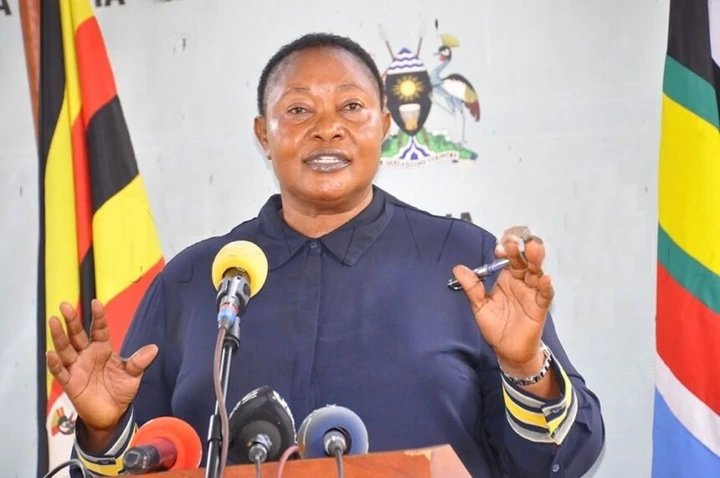

Moments following national elections often test the strength of a country’s political institutions and the maturity of its leadership. Emotions can run high, divisions may deepen, and mistrust can easily obscure national purpose. It is precisely at such moments that leadership anchored in wisdom, restraint, and magnanimity becomes vital. It is for this reason that every Ugandan should hail our dear President, Gen. Yoweri Kaguta Museveni’s decision to invite opposition politicians and other peace-loving Ugandans for dialogue on peace and reconciliation.
The gesture which took place last Thursday at state house Entebbe deserves commendation and national support as opposed to empty speculation and vile attacks from especially the perennial naysayers.
As reported by the media, last Thursday a delegation of 17 Ugandans led by Mawokota South Member of Parliament Yusuf Nsibambi met the President at State House Entebbe to discuss national stability and reconciliation in the aftermath of the January 2026 general elections. The delegation included opposition legislators from across the political spectrum, among them Okot Bitek of Kioga County (FDC), Moses Kabusu of Kyamuswa County (PFF), Roland Ndyomugyenyi of Rukiga County, Mukono South MP Fred Kayondo of the Democratic Party, Richard Lumu of Mityana South (DP), and former Members of Parliament Robert Centenary and Latif Ssebagala, among others.
The discussions centred on calming political tensions and promoting unity after a highly charged electoral period that left emotions elevated in some sections of the population. At its core, the meeting was about peace and reconciliation as essential foundations for development and long-term national stability. This engagement exemplifies a leadership philosophy that recognises dialogue not as a concession, but as a strategic investment in the nation’s cohesion.
Importantly, the delegation also raised humanitarian and justice-related concerns, including the fate of hundreds of political prisoners. They appealed to the President to consider granting pardons where appropriate, and called for an independent and thorough investigation into the incarceration of Butambala County MP Muhammad Muwanga Kivumbi. That such sensitive matters could be openly discussed at the highest level of leadership speaks volumes about the President’s openness and commitment to resolving national challenges through engagement rather than confrontation.
This initiative is not an isolated gesture. It is consistent with President Museveni’s long-standing approach to reconciliation and inclusive governance. Right from the beginning of his leadership of this country, the president has always sought out his political opponents and even hitherto fierce enemies and critics for integration into national leadership. And fortunately, his wisdom in this matter has never been put to doubt as these converted comrades have gone on to contribute immensely to Uganda’s political stability and socioeconomic development.
A compelling case in point are the former UPC and DP stalwarts like Dr. Paul Kawanga Semogerere, who were among the first ministers in the formative NRM government. As we speak now, the leadership of Parliament affirms the president’s reconciliatory credentials even the more. The Speaker of Parliament and her Deputy, who have roots in political traditions outside the ruling movement, today occupy two of the most critical constitutional offices in the land. Their stewardship has strengthened legislative oversight, ensured institutional stability, and reinforced Parliament’s central role in governance.
The Speakers’ success illustrates that when leaders are allowed to serve beyond partisan labels, the nation benefits from their experience and dedication.
Dialogue, therefore, is not merely a political courtesy but rather a practical tool for nation-building. Peaceful engagement creates an environment conducive to investment, effective service delivery, and economic transformation. It allows government to focus on improving livelihoods rather than managing avoidable conflict. In a region often characterised by political instability, Uganda’s commitment to dialogue sets an important example.
The President’s willingness to listen, even after a competitive election season, reassures Ugandans that political differences need not translate into permanent divisions. It reinforces the idea that democracy does not end at the ballot, but continues through consultation, compromise, and mutual respect.
As Minister for the Presidency, I have observed firsthand the value of coordinated leadership and inclusive decision-making. When political actors choose dialogue over discord, institutions function better and the national agenda moves forward with greater clarity and purpose.
Today we have the contentious issue of political prisoners. While some skeptics doubt the government’s willingness to release these people, there have been previous scores where many were released through dialogue by peace-loving Ugandans like Hon. Nsibambi, my colleague, Hon. Balaam Barugahara, among others.
It is against that background, therefore, that I commend the opposition leaders who chose engagement, just as I applaud the President for opening the door to it. Uganda’s progress has always been strongest when unity triumphs over division. President Museveni’s outreach once again places country above party and future above past disagreements.
In choosing dialogue, the President has reaffirmed a simple but profound principle— that peace is the foundation upon which all development stands. That choice strengthens our democracy, deepens national cohesion, and charts a steadier path toward the Uganda we all desire.
Let me conclude by congratulating our dear President and Commander-in-Chief of the armed forces, Gen. Yoweri Kaguta Museveni, together with the First Lady and Minister of Education, Mama Janet Kataaha Museveni, upon presiding over a great 45th Tarehe Sita celebration at Kabale last Friday. I also wish to heartily thank the Chief of Defence Forces, Gen. Muhoozi Kainerugaba, for organizing such a meticulous function; and also congratulate you upon receiving the prestigious Kabalega Star Medal for leading the UPDF— our mighty army — to safeguard the lives of Ugandans and our regional neighbours.


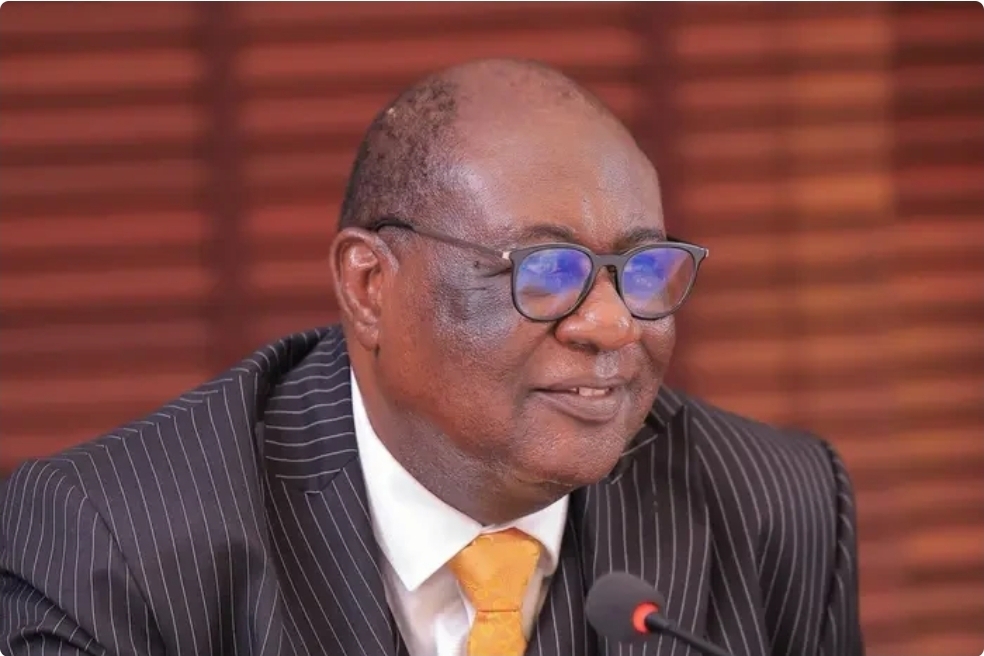 Government will not gazette Kijanangoma as King of Tooro for now - Attorney General insists
Ultimate Uganda
Government will not gazette Kijanangoma as King of Tooro for now - Attorney General insists
Ultimate Uganda
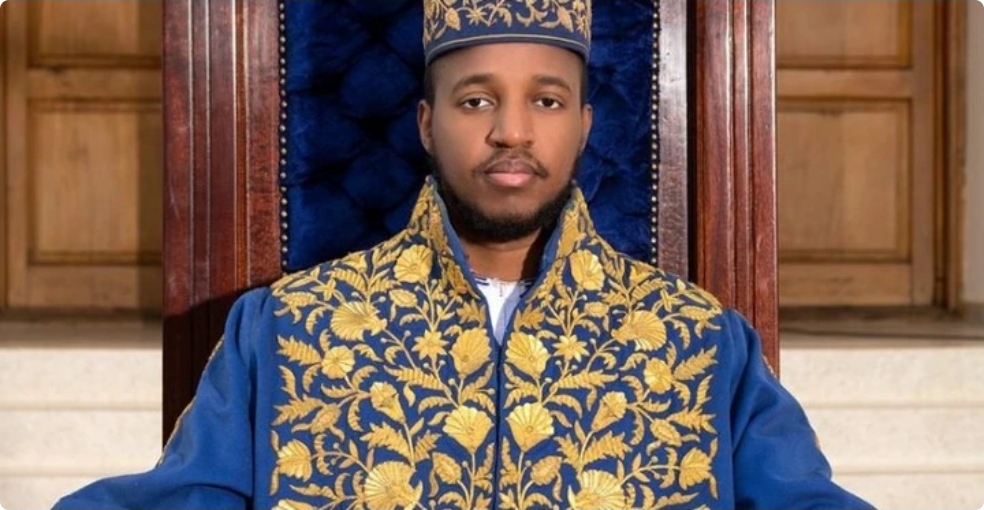 King Oyo’s Body to Arrive Thursday
Ultimate Uganda
King Oyo’s Body to Arrive Thursday
Ultimate Uganda
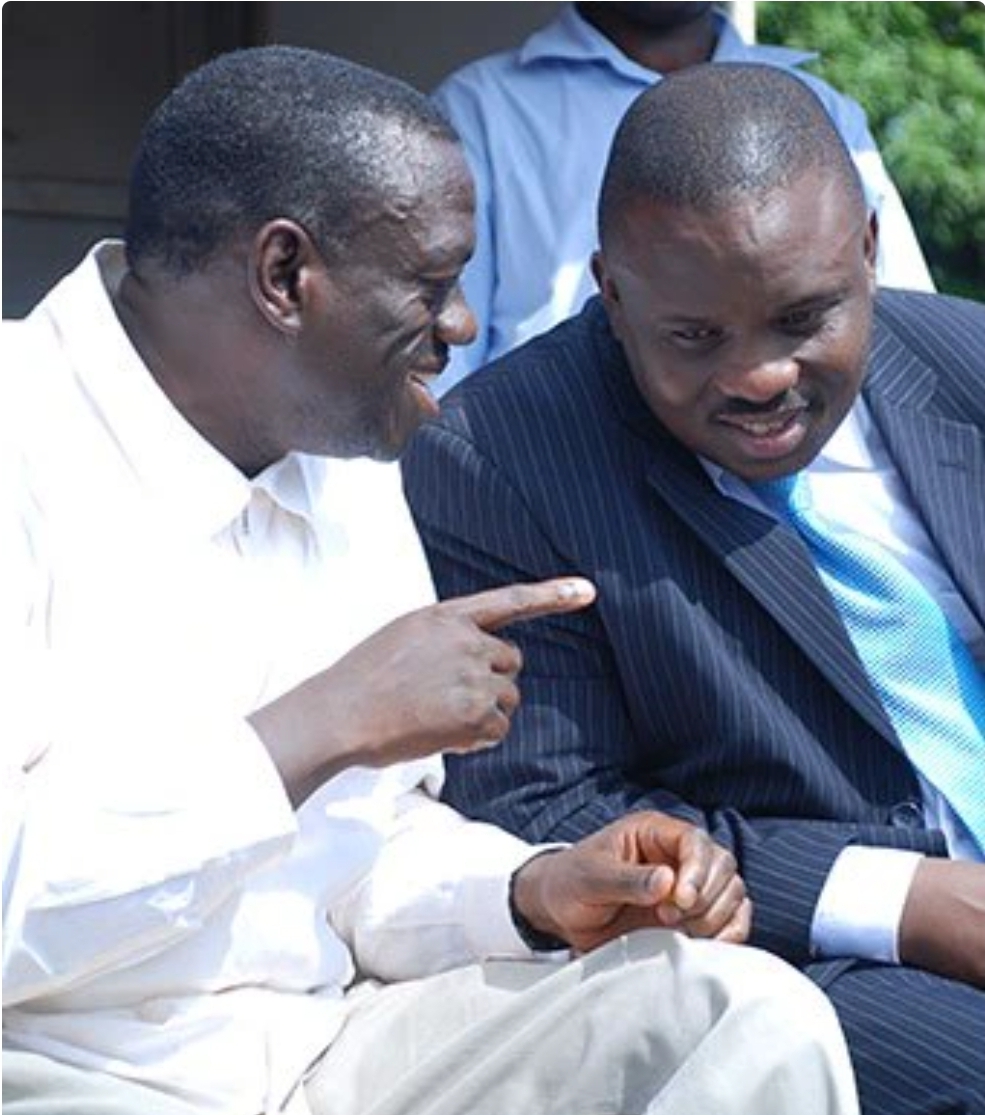 Besigye, Lukwago expected to meet Gen. Salim Saleh today at Kapeeke
Ultimate Uganda
Besigye, Lukwago expected to meet Gen. Salim Saleh today at Kapeeke
Ultimate Uganda
 Rwabwogo Advised to ‘Eat His Bishop’ As MK Prepares to Enter State H’se: PREZ MUSEVENI ON HIS WAY OUT
Ultimate Uganda
Rwabwogo Advised to ‘Eat His Bishop’ As MK Prepares to Enter State H’se: PREZ MUSEVENI ON HIS WAY OUT
Ultimate Uganda
0 Comments