
South Africa Bond Rally Builds Ahead of February 25 Budget
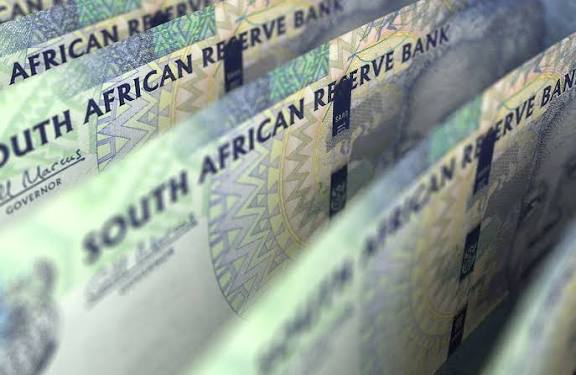

South African bonds extended gains as investors positioned for Finance Minister Enoch Godongwana's budget presentation on Feb. 25. Morgan Stanley said the budget could reinforce fiscal consolidation and further compress the risk premium on sovereign debt. The bank described the upcoming fiscal update as potentially one of the most supportive in recent years if revenue forecasts are revised higher and spending discipline is maintained.
Benchmark 10-year yields have fallen more than 300 basis points from their April 2025 peak. At Tuesday's auction, demand for government bonds reached R14.2 billion, almost five times the R3 billion on offer. The bid-to-cover ratio rose to nearly 5.
Long-dated debt drew the strongest interest. Bonds due in 2044 attracted R5.46 billion in bids, 5.5 times the amount offered. The yield on the 2044 bond fell to 8.54%, the lowest closing level since 2015.
Morgan Stanley projects the consolidated budget deficit will narrow to 3.5% of GDP by 2027 and to 2.6% by 2029. The primary surplus could widen to 2.6% of GDP.
Follow us on WhatsApp | LinkedIn for the latest headlines
The rand has gained about 20% against the dollar since April, supported by higher gold prices and lower oil costs.
Key Takeaways
Investor sentiment toward South Africa has improved as fiscal consolidation aligns with a more supportive external backdrop. Higher commodity prices have boosted tax revenue, easing pressure on borrowing needs. Lower oil prices have also improved the trade balance. Markets are focused on whether the government will reduce bond issuance if revenue exceeds projections.
A credible path to smaller deficits could stabilize debt ratios and reduce borrowing costs further. South Africa remains below investment grade at major rating agencies, and debt levels are elevated. Sustained primary surpluses are required to anchor debt dynamics. Long-dated bond demand suggests investors are extending duration on expectations of contained inflation and disciplined spending.
However, confidence depends on delivery. Any deviation from consolidation or weaker growth reforms could reverse gains. For now, bonds and the currency reflect a view that fiscal risk is moderating, with markets treating South Africa as investable rather than distressed.


 Starlink goes live in Uganda; price comparisons against MTN, Airtel
Ultimate Uganda
Starlink goes live in Uganda; price comparisons against MTN, Airtel
Ultimate Uganda
 NSSF sets September 24 for Annual Members Meeting as savers await interest rate declaration
Ultimate Uganda
NSSF sets September 24 for Annual Members Meeting as savers await interest rate declaration
Ultimate Uganda
 Boda boda riders launch e-commerce, digital loans platform
Ultimate Uganda
Boda boda riders launch e-commerce, digital loans platform
Ultimate Uganda
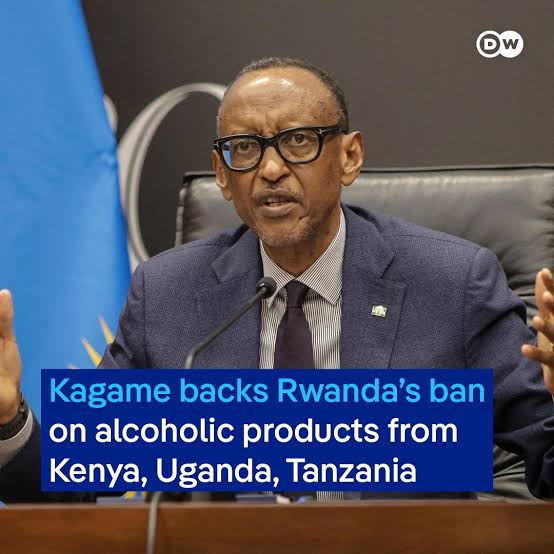 Rwanda: We Cannot Sit and Watch As Illicit Alcohol Kills People - Kagame
Ultimate Uganda
Rwanda: We Cannot Sit and Watch As Illicit Alcohol Kills People - Kagame
Ultimate Uganda
0 Comments