
Ragga Dee Urges Artists to Treat Music as Business Amid Copyright Reforms
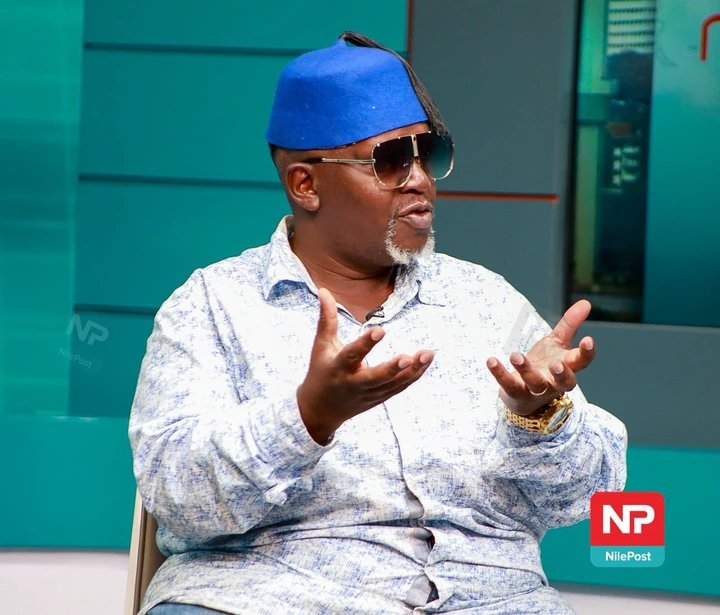

Renowned Ugandan musician Daniel Kazibwe, popularly known as Ragga Dee, has called on upcoming artists to approach their craft with a business mindset, emphasising the importance of strategic distribution and legal protection of their work.
Speaking during NBS Eagle on Sunday, Ragga Dee highlighted the persistent challenges faced by emerging artists, noting that lack of support has significantly hindered their growth and sustainability in the music industry.
“Upcoming artists have suffered so much in their music careers because of a lack of support. They should know that whatever they’re doing is business. Put your song on all social media platforms, register it, and wait to earn,†he said.
His remarks come at a time when Uganda’s creative industry stands on the brink of major transformation following the introduction of the Copyright and Neighbouring Rights (Amendment) Bill 2025.
The proposed legislation, tabled by the Minister for Justice and Constitutional Affairs, Norbert Mao seeks to modernise Uganda’s copyright framework and align it with international standards. The bill is expected to significantly improve how creators earn from their intellectual property while strengthening legal protections across the sector.
According to stakeholders, the bill represents a major breakthrough for Uganda’s creative industry, which encompasses musicians, filmmakers, writers, and other artists.
Mao described the proposed law as a "game-changer", citing its potential to streamline the industry and introduce tougher penalties for piracy and copyright infringement.
The reforms are designed to address longstanding challenges, particularly the widespread unauthorised use and distribution of creative works that has historically undermined artists’ earnings.
A key highlight of the bill is the introduction of a new revenue-sharing model for caller ringback tones—a popular telecom service that allows music to be played instead of the standard ringing sound. Under the proposed arrangement, authors and performers will receive 60 per cent of the revenue generated, while telecommunications companies will take 31 per cent and aggregators 8.5 per cent.
This restructuring aims to ensure that artists receive a fairer share of income derived from their content, especially in an era where digital platforms dominate music distribution.
The Uganda Registration Services Bureau (URSB), the body responsible for intellectual property rights administration, has welcomed the proposed amendments. Officials say the bill could significantly strengthen the country’s creative economy by enhancing legal protections and expanding monetisation opportunities for creators.
URSB also noted that the updated framework is expected to curb piracy, a longstanding issue that continues to affect artists across Uganda’s entertainment sector.
Industry observers believe the bill reflects growing government recognition of the creative sector’s economic potential, particularly its role in employment, cultural expression, and innovation.
If enacted, the Copyright and Neighbouring Rights (Amendment) Bill 2025 is expected to establish a more structured and transparent system for managing intellectual property rights while encouraging investment in Uganda’s cultural and creative industries.


 Jose Chameleone becomes a grandfather
Ultimate Uganda
Jose Chameleone becomes a grandfather
Ultimate Uganda
 Uncle Chumi speaks out on exchange with SFC soldier amid growing backlash
Ultimate Uganda
Uncle Chumi speaks out on exchange with SFC soldier amid growing backlash
Ultimate Uganda
 I don't want to be a mother, I just want to enjoy my life - Christine Nampeera
Ultimate Uganda
I don't want to be a mother, I just want to enjoy my life - Christine Nampeera
Ultimate Uganda
 Frank Gashumba criticizes celebrities for wearing second-hand clothes and using charcoal stoves
Ultimate Uganda
Frank Gashumba criticizes celebrities for wearing second-hand clothes and using charcoal stoves
Ultimate Uganda
0 Comments