
Arrests in Lubigi Eviction Raise Questions Over Use of Force and Due Process
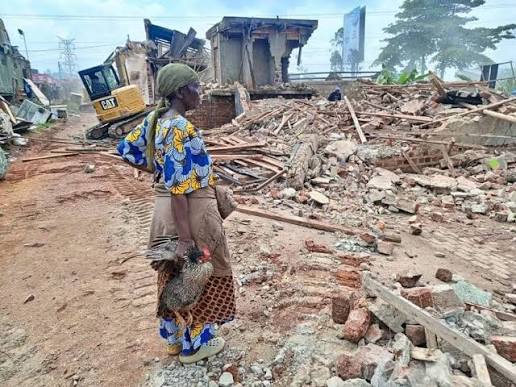

More than 10 people were arrested in Lubigi Wetland on Wednesday as Uganda People’s Defence Force (UPDF) soldiers and anti-riot police moved in to evict holdout squatters who had defied earlier eviction orders and remained in the area weeks after their homes were demolished. The arrests followed running confrontations between security forces and residents who had been camping in makeshift shelters since the National Environment Management Authority (NEMA) carried out demolitions in the wetland in May.
Security personnel sealed off the area, torched remaining tents, and cleared structures as part of the ongoing enforcement operation to restore the wetland ecosystem. Several residents fled with whatever belongings they could salvage, while others were rounded up during the operation. Journalists were blocked from accessing the scene and were only able to observe from a distance as displaced residents narrated their experiences.
Residents have since raised concerns over the legality and conduct of the eviction process, arguing that they were not adequately protected or given sufficient time and structured alternatives before enforcement. Olivia Nakigozi, a resident of Kawala Zone II, said several people, including Abas Sseguja, were arrested during the operation. She further alleged that Sseguja’s 16-year-old son, Ssesanga, was severely beaten while attempting to intervene in his father’s arrest. She said the boy was left unconscious and rushed to Kawala Health Centre.
“The worst was seeing them beat a child who was trying to stop his father’s arrest. I don’t think he will survive; he was taken away almost dead,†Nakigozi said. Standing at Kawala Flyover with her child and a few belongings, Rest Nanyange described the eviction as harsh, saying residents were left without shelter despite having invested heavily in housing within the area. She added that she had nowhere to relocate, despite spending millions of shillings on land and construction.
“We have nowhere to go,†she said. Another affected resident, Florence Natukunda, said some of those displaced did not receive the Shs1 million relief support earlier distributed by the government, leaving many families stranded. The latest operation follows earlier demolitions conducted by NEMA on May 28, which affected more than 150 houses and business structures in Lubigi Wetland. Affected residents have consistently disputed the enforcement, claiming their homes were not within the wetland boundary and accusing authorities of failing to properly consult them before eviction.
However, NEMA maintains that the operations are lawful and aimed at restoring degraded wetland ecosystems. In a statement, NEMA Head of Corporate Communications Naomi Karekaho said enforcement resumed after the expiry of a grace period that had been granted to allow voluntary evacuation. She said occupants were repeatedly warned through physical notices, radio, and television announcements.
“It is a criminal offence to settle or develop any infrastructure in wetlands without a permit issued in accordance with the law. Under the National Environment Act, Cap 181, NEMA issued Environmental Restoration Orders after establishing encroachment. We have continually reminded the affected persons to vacate through physical notices, radio, and TV, but to no avail,†Karekaho said. The Lubigi evictions continue to raise legal and human rights questions around notice, proportionality of force, and protection of displaced residents as enforcement operations proceed.


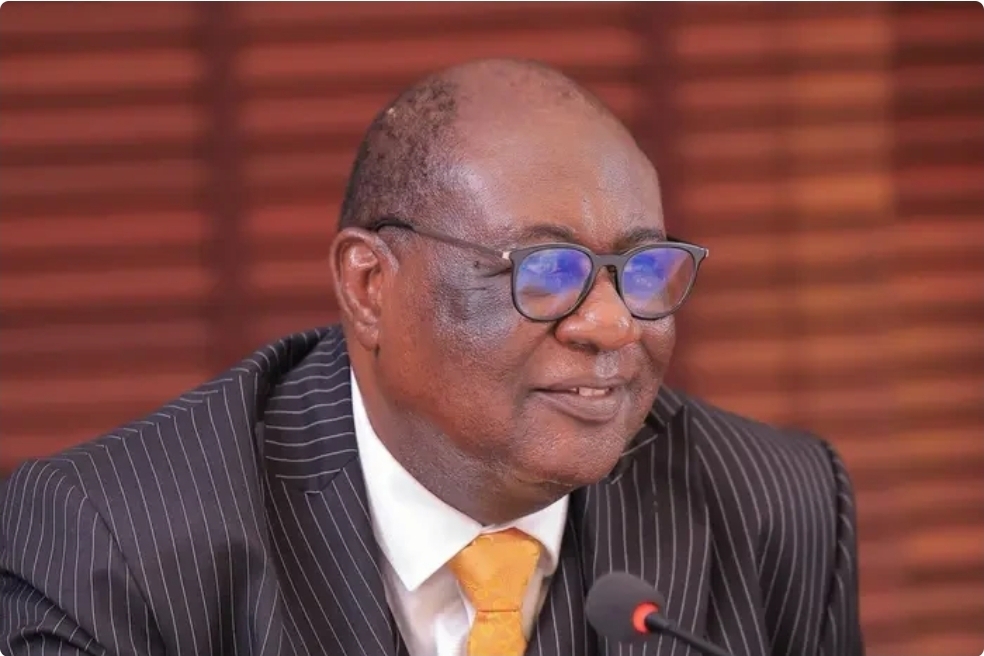 Government will not gazette Kijanangoma as King of Tooro for now - Attorney General insists
Ultimate Uganda
Government will not gazette Kijanangoma as King of Tooro for now - Attorney General insists
Ultimate Uganda
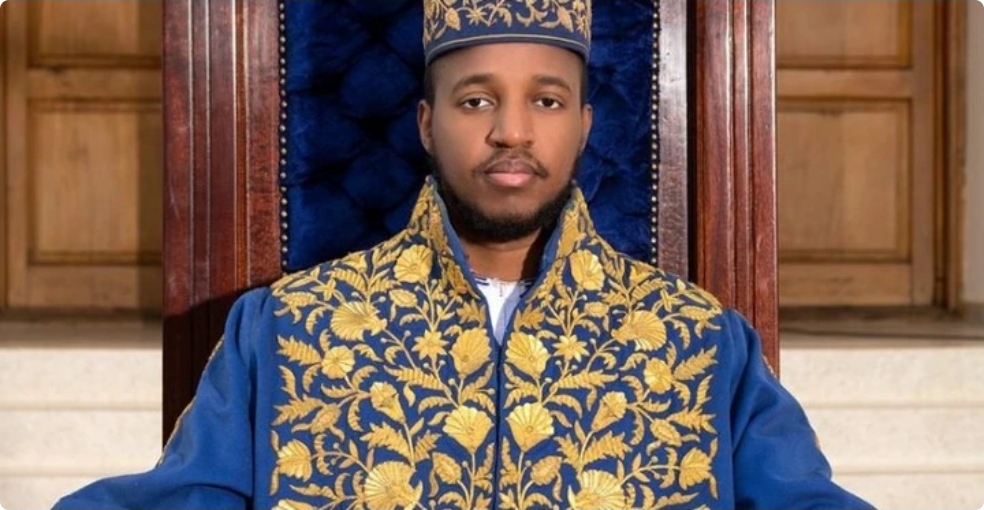 King Oyo’s Body to Arrive Thursday
Ultimate Uganda
King Oyo’s Body to Arrive Thursday
Ultimate Uganda
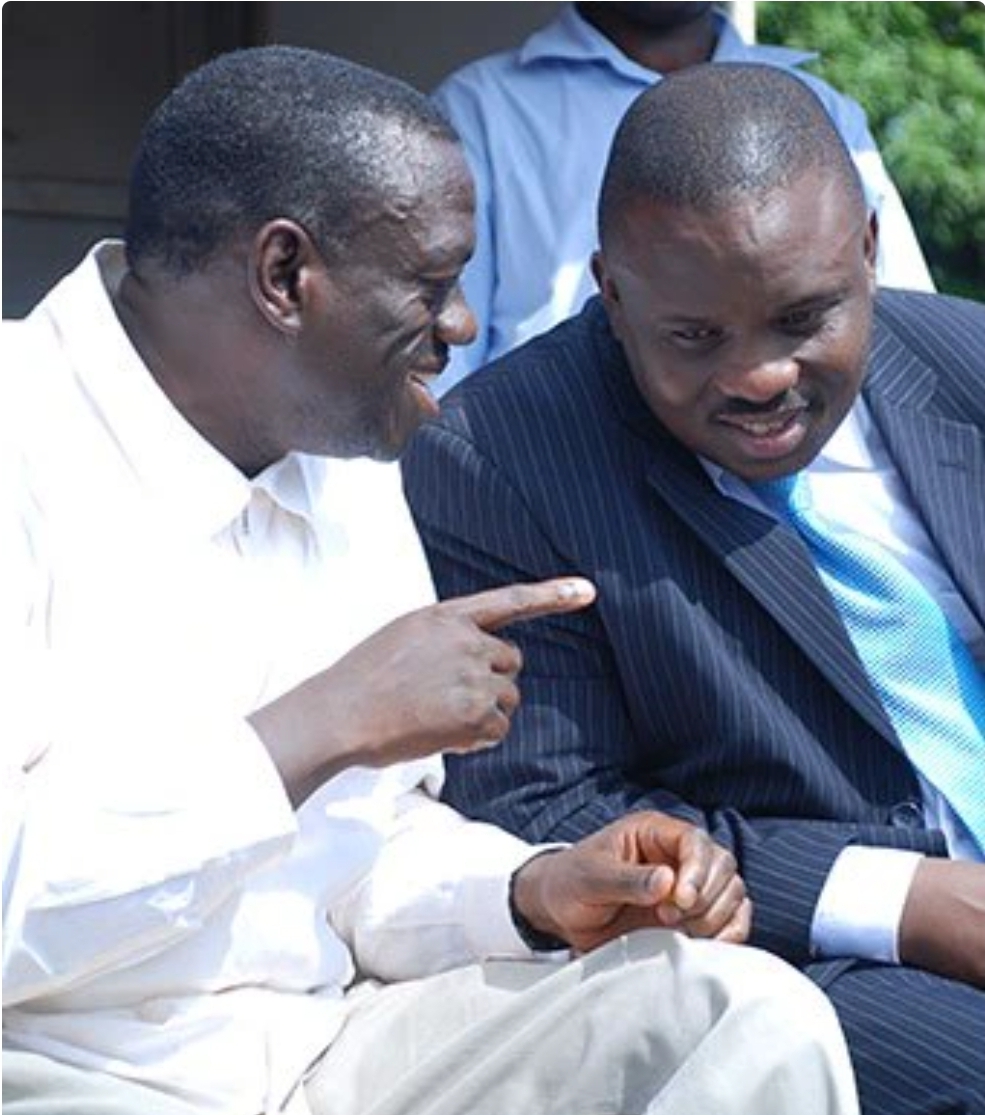 Besigye, Lukwago expected to meet Gen. Salim Saleh today at Kapeeke
Ultimate Uganda
Besigye, Lukwago expected to meet Gen. Salim Saleh today at Kapeeke
Ultimate Uganda
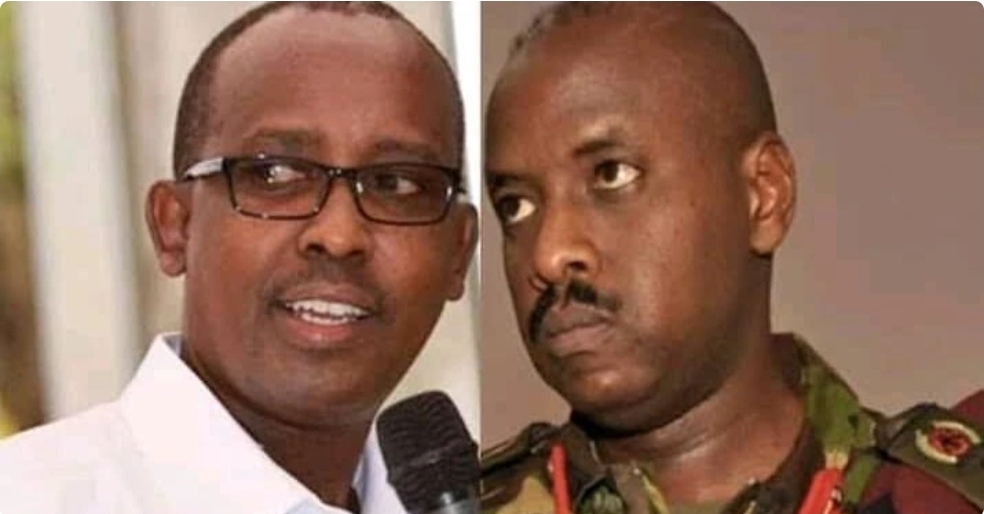 Rwabwogo Advised to ‘Eat His Bishop’ As MK Prepares to Enter State H’se: PREZ MUSEVENI ON HIS WAY OUT
Ultimate Uganda
Rwabwogo Advised to ‘Eat His Bishop’ As MK Prepares to Enter State H’se: PREZ MUSEVENI ON HIS WAY OUT
Ultimate Uganda
0 Comments