
Tax Push Sparks Backlash as Experts Warn Shs4.8tn Drive Could Stifle Growth
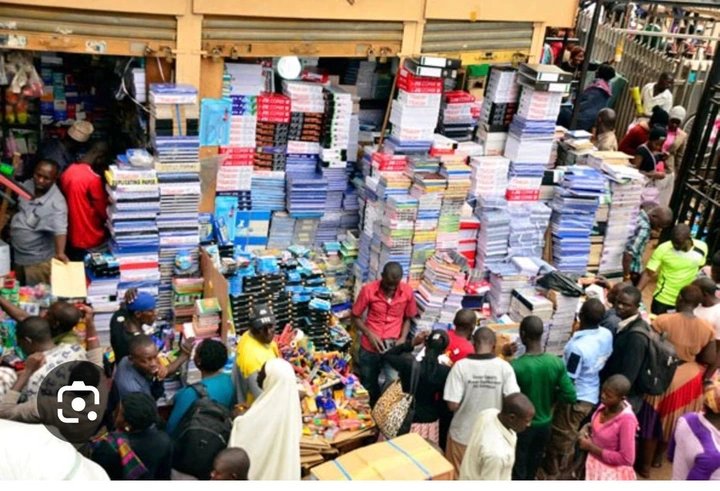

Economists and tax experts warn that government’s plan to raise Shs4.8 trillion through new taxes, including a fuel levy, could increase inflation, slow construction activity, and undermine economic recovery if the tax base is not widened.
A growing chorus of economists and tax experts is raising concerns over the government’s latest tax proposals aimed at raising Shs4.8 trillion, warning that the approach could do more harm than good to Uganda’s fragile economic recovery.
While taxation remains a critical tool for national development, analysts argue that the current proposals expose deep imbalances in how the tax burden is being distributed across sectors.
At the centre of the concern is what experts describe as a misplaced strategy — one that leans heavily on squeezing already compliant and still-developing industries instead of widening the tax base.
One of the most contentious measures is the proposed Shs200 levy on fuel, a move experts say will have ripple effects across the entire economy.
Fuel is a foundational input, and any increase inevitably drives up the cost of transport, production, and ultimately the price of goods and services.
Senior economist John Walugembe warns that such a tax risks triggering inflationary pressures at a time when businesses and households are still recovering from recent economic shocks.
Equally concerning is the pressure being placed on the construction sector. Already grappling with high input costs and fluctuating demand, the sector now faces additional taxes on utilities and operational inputs.
Tax experts argue that this could significantly slow construction activity, with knock-on effects for employment, infrastructure development, and related industries.
“The problem is not taxation itself,†said Dedan Mutatinensi. “It’s how and where these taxes are applied. You don’t burden sectors that are still finding their footing. You support them so they can grow, and then they contribute more sustainably over time.â€
Critics say the current approach reflects a broader policy misstep — prioritising deeper tax collection from a narrow base rather than expanding it. Uganda’s informal sector, which constitutes a significant portion of the economy, remains largely untapped.
Experts argue that bringing more players into the tax net, rather than increasing pressure on existing taxpayers, would create a fairer and more resilient revenue system.
There are also concerns about equity. Analysts point out that consumption-based taxes such as fuel levies disproportionately affect lower- and middle-income earners, further widening inequality.
Meanwhile, sectors with greater capacity to absorb taxes or contribute more remain under-leveraged.
The warning from experts is clear: without a more balanced and inclusive approach, the government risks undermining the very growth it seeks to finance.
Instead of accelerating development, the proposed measures could slow investment, reduce productivity, and strain key sectors that are essential for long-term economic stability.
As the debate intensifies, economists are urging policymakers to rethink the strategy by shifting focus toward broadening the tax base, improving compliance, and fostering growth-friendly policies that enable businesses to expand before imposing additional taxes.
In their view, sustainable revenue generation does not come from taxing harder, but from taxing smarter.


 Government will not gazette Kijanangoma as King of Tooro for now - Attorney General insists
Ultimate Uganda
Government will not gazette Kijanangoma as King of Tooro for now - Attorney General insists
Ultimate Uganda
 King Oyo’s Body to Arrive Thursday
Ultimate Uganda
King Oyo’s Body to Arrive Thursday
Ultimate Uganda
 Besigye, Lukwago expected to meet Gen. Salim Saleh today at Kapeeke
Ultimate Uganda
Besigye, Lukwago expected to meet Gen. Salim Saleh today at Kapeeke
Ultimate Uganda
 Rwabwogo Advised to ‘Eat His Bishop’ As MK Prepares to Enter State H’se: PREZ MUSEVENI ON HIS WAY OUT
Ultimate Uganda
Rwabwogo Advised to ‘Eat His Bishop’ As MK Prepares to Enter State H’se: PREZ MUSEVENI ON HIS WAY OUT
Ultimate Uganda
0 Comments