
Museveni’s Calculated Unpredictability Keeps Allies and Rivals Guessing
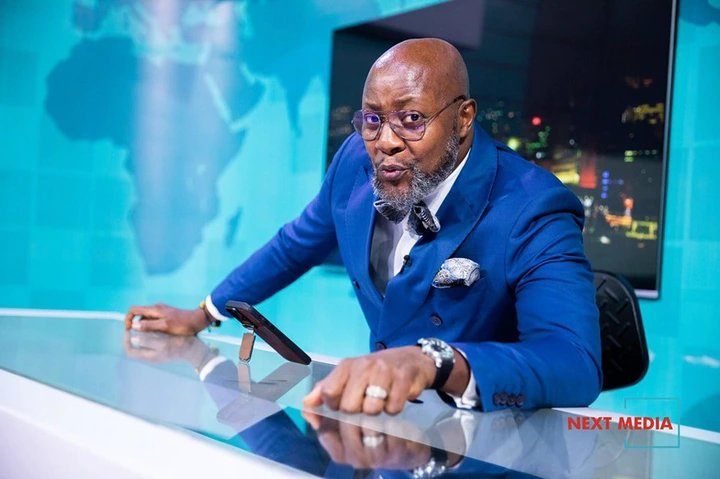

After nearly four decades in power, President Yoweri Museveni has cultivated a reputation for calculated unpredictability, using strategic ambiguity, shifting alliances, and tightly controlled power structures to outmanoeuvre rivals and maintain firm control over Uganda’s political landscape.
President Yoweri Museveni, Uganda’s long-serving leader, remains one of the most enigmatic political figures in the region—widely described by analysts and former close associates as exceptionally difficult to second-guess. His reputation stems from a carefully cultivated unpredictability and a mastery of political maneuvering that has enabled him to outwit both allies and adversaries over decades.
With relative ease, he managed the ambitions of Amama Mbabazi—himself considered a shrewd and slippery operator. The events at Kyankwanzi, where a relatively little-known figure, Evelyn Anite, made a surprise intervention that effectively ended Mbabazi’s momentum, remain a striking example. Years of planning appeared to collapse almost instantly.
After nearly four decades in power, Museveni has refined a leadership style that blends military precision with shifting ideological frames, making his ultimate intentions difficult to pin down—even for those within his inner circle.
Several factors explain why he is widely seen as politically elusive.
He has consistently kept his cards close to his chest, often making moves that surprise both allies and opponents. Following the last general election, insiders hinted that his choice for Prime Minister would shock many.
Even those who reportedly opposed the idea were overruled, as Museveni remained firmly set on his decision. The eventual appointment of Robinah Nabbanja reinforced this pattern. His sudden cabinet and security reshuffles often appear designed to neutralise emerging power centres before they can pose a threat. As a result, even current political contests, such as the race for Speaker, remain difficult to predict.
Museveni has also maintained a fluid ideological posture. He frames his decisions as rooted in historical necessity rather than personal ambition, allowing him to shift from revolutionary rhetoric to capitalist or neoliberal policies when it suits the moment.
This adaptability makes it nearly impossible to define his governance within a single ideological framework. His engagements—even with unconventional political actors like Full Figure—underscore this flexibility.
On the international stage, he has demonstrated a complex balancing act. While at times expressing alignment with figures like Donald Trump, he has also maintained strong ties with countries such as China and Russia, and hosted high-level delegations from Iran. This approach allows him to navigate competing global interests while positioning himself as a regional mediator.
Domestically, Museveni often approaches governance through a military lens, resolving political challenges using security structures rather than purely civilian institutions. This reliance on the military for regime stability adds another layer of opacity to his decision-making.
In public engagements, he is known for lengthy lectures and evasive responses, often sidestepping direct questions about succession or tenure. He frequently portrays himself as a reluctant leader focused on safeguarding the gains of the revolution.
Former advisers have also described him as difficult to manage, citing his strong and often unyielding views. Over time, he has personalised political power to such an extent that the state’s future appears closely tied to his own leadership.
Perhaps most significantly, there is a deliberate diffusion of power within his inner circle. It is often unclear where ultimate authority resides—whether with Museveni himself, his brother Salim Saleh, or his son Muhoozi Kainerugaba.
Other influential figures operate within this network, largely out of public view. This ambiguity makes it difficult for anyone seeking power to identify where it truly lies. Even figures like Norbert Mao remain difficult to place within this shifting landscape.
Attempting to predict the next move of the son of Kaguta is, in itself, a full-time undertaking. Yet the outcome of the ongoing Speaker race may offer a small but valuable insight into how Museveni thinks—and how he continues to shape Uganda’s political direction.


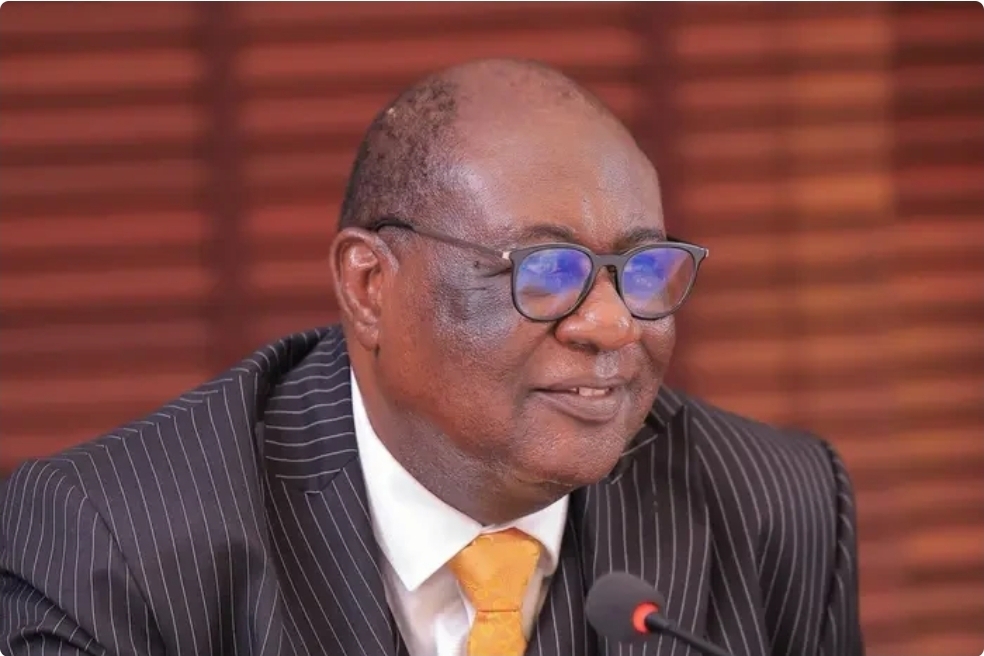 Government will not gazette Kijanangoma as King of Tooro for now - Attorney General insists
Ultimate Uganda
Government will not gazette Kijanangoma as King of Tooro for now - Attorney General insists
Ultimate Uganda
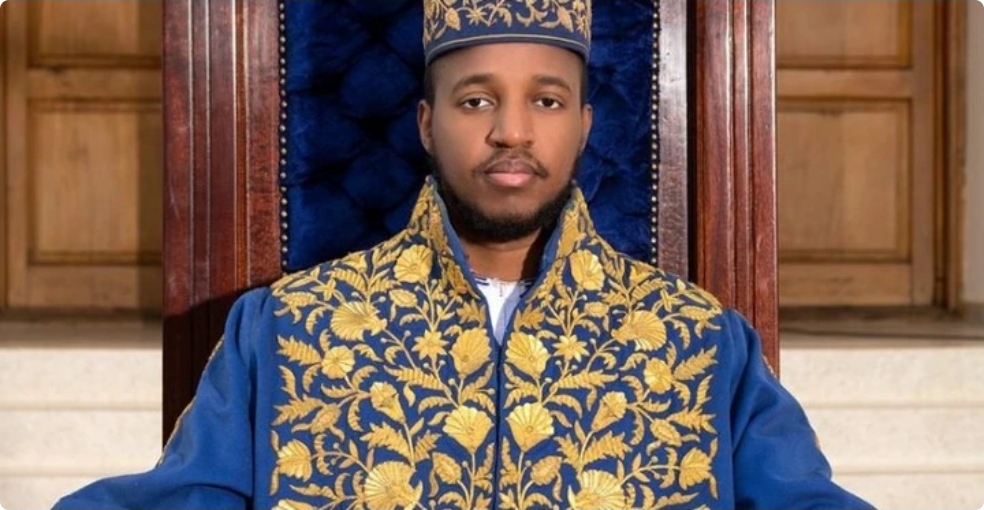 King Oyo’s Body to Arrive Thursday
Ultimate Uganda
King Oyo’s Body to Arrive Thursday
Ultimate Uganda
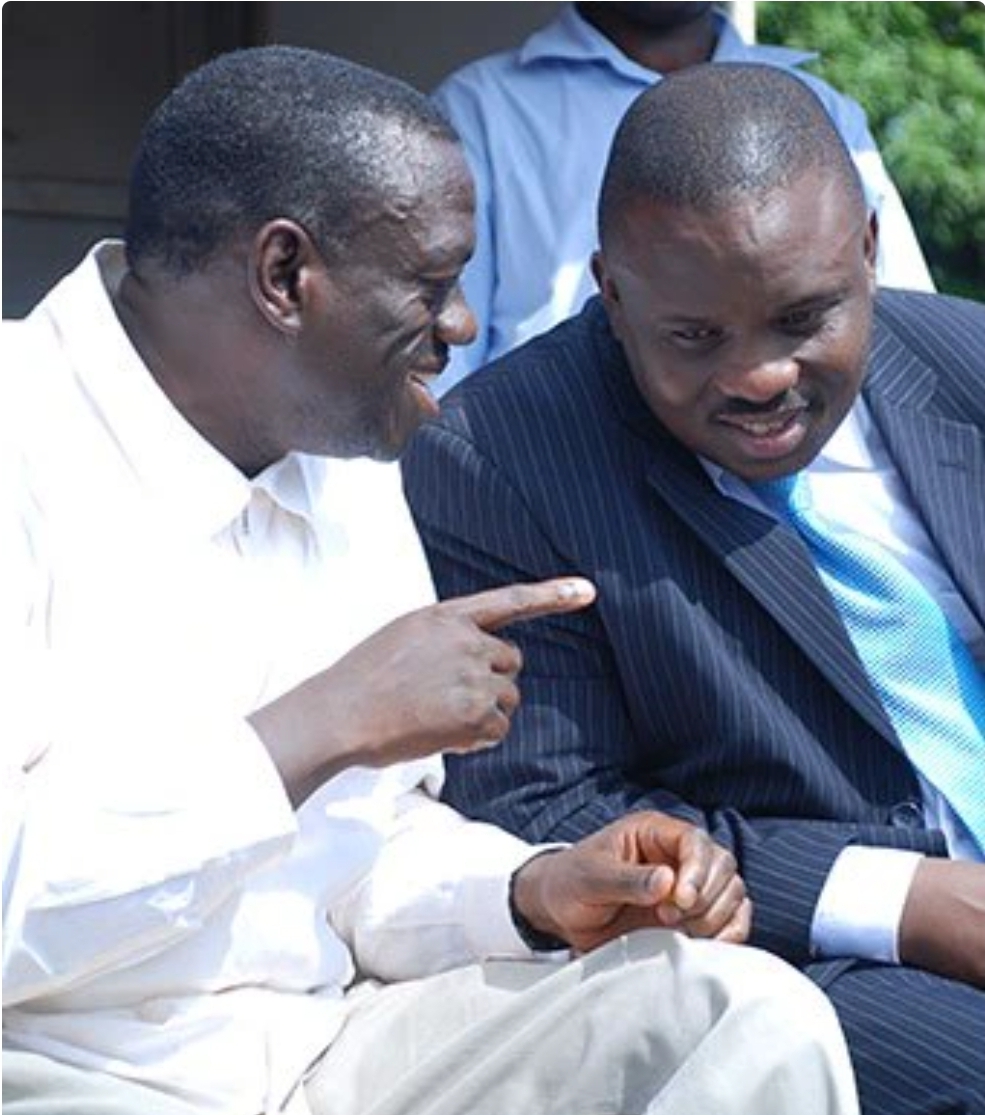 Besigye, Lukwago expected to meet Gen. Salim Saleh today at Kapeeke
Ultimate Uganda
Besigye, Lukwago expected to meet Gen. Salim Saleh today at Kapeeke
Ultimate Uganda
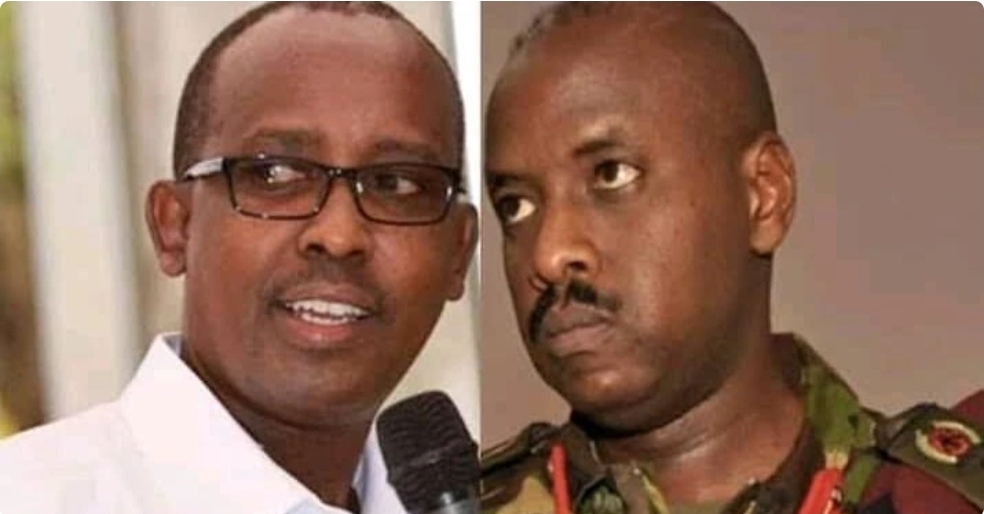 Rwabwogo Advised to ‘Eat His Bishop’ As MK Prepares to Enter State H’se: PREZ MUSEVENI ON HIS WAY OUT
Ultimate Uganda
Rwabwogo Advised to ‘Eat His Bishop’ As MK Prepares to Enter State H’se: PREZ MUSEVENI ON HIS WAY OUT
Ultimate Uganda
0 Comments