
Labour Day: UDC Official Pitches ‘AKISONI’ Roadmap to Turn Mitumba Debate Into Industrial Growth
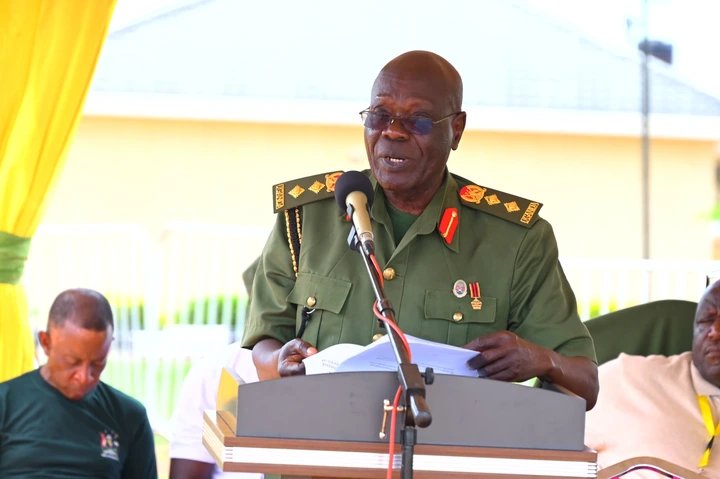

In a policy message ahead of the celebrations, Col. (Rtd) Dr. John Francis Ongia, UDC’s Senior Liaison Officer, unveiled what he termed the “AKISONI Frameworkâ€â€”a phased strategy designed to align consumer needs with national industrial ambitions.
Dr. Ongia said current public and policy discussions on mitumba reveal broad agreement on key issues, despite differing viewpoints.
“What we are seeing is not conflict, but alignment from different perspectives. The real task is to translate that into a clear, actionable pathway,†he said.
At the centre of his proposal is a sequenced transition model:
Stabilize (Now): Maintain access to second-hand clothing to protect low-income households, while introducing moderate taxes.
Invest (Immediate): Channel revenues into cotton production, textile manufacturing, and industrial clusters.
Compete (Medium Term): Build scale and reduce production costs to strengthen local competitiveness.
Transition (Long Term): Gradually limit imports only when domestic supply is sufficient and affordable.
He argued that such sequencing would prevent economic shocks while steadily building local capacity.
A key pillar of the proposal is ring-fencing tax revenues from mitumba to directly finance Uganda’s textile value chain.
Dr. Ongia said funds should support farmers, expand manufacturing, and create jobs—ensuring that taxation is seen as a development tool rather than a burden.
“Reform must be visible. People must see how today’s sacrifices translate into tomorrow’s opportunities,†he noted.
The UDC official acknowledged the tension between protecting local industries and safeguarding consumers, but insisted both goals can be achieved simultaneously.
“You cannot grow industry by pricing citizens out of basic needs. Nor can you sustain affordability without building domestic production,†he said.
Dr. Ongia also raised concerns about selective trade restrictions, warning that targeting mitumba alone could undermine policy credibility.
“Consistency matters. If we question used clothing, then logically we must examine other second-hand imports as well,†he said.
He stressed that the success of any industrial policy will ultimately depend on competitiveness—particularly in cost, quality, and scale.
“Protection is temporary. Productivity is permanent. That is what will determine whether our industries survive,†he said.
As Uganda honours its workforce, Dr. Ongia called for a unified national effort to support local production while protecting livelihoods.
“This is not about choosing between wananchi and industry. It is about building a system where both thrive together,†he said.
He urged citizens to embrace locally made products under the Buy Uganda, Build Uganda initiative, describing it as critical to achieving sustainable economic transformation.


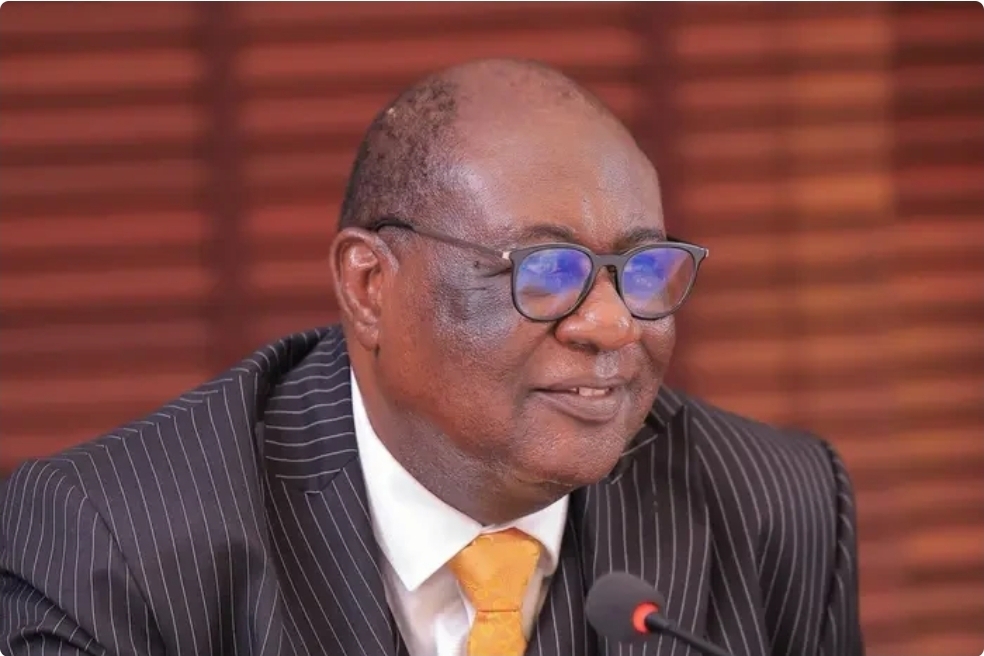 Government will not gazette Kijanangoma as King of Tooro for now - Attorney General insists
Ultimate Uganda
Government will not gazette Kijanangoma as King of Tooro for now - Attorney General insists
Ultimate Uganda
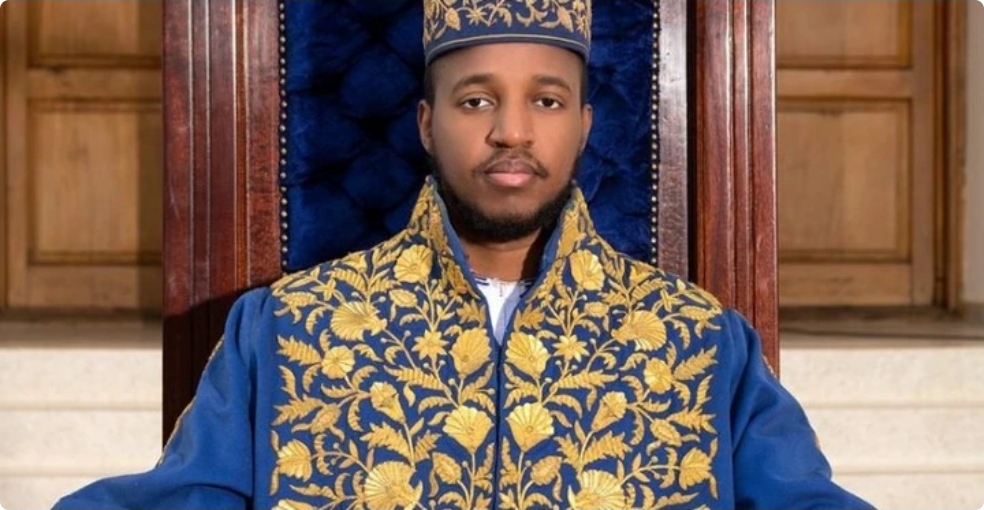 King Oyo’s Body to Arrive Thursday
Ultimate Uganda
King Oyo’s Body to Arrive Thursday
Ultimate Uganda
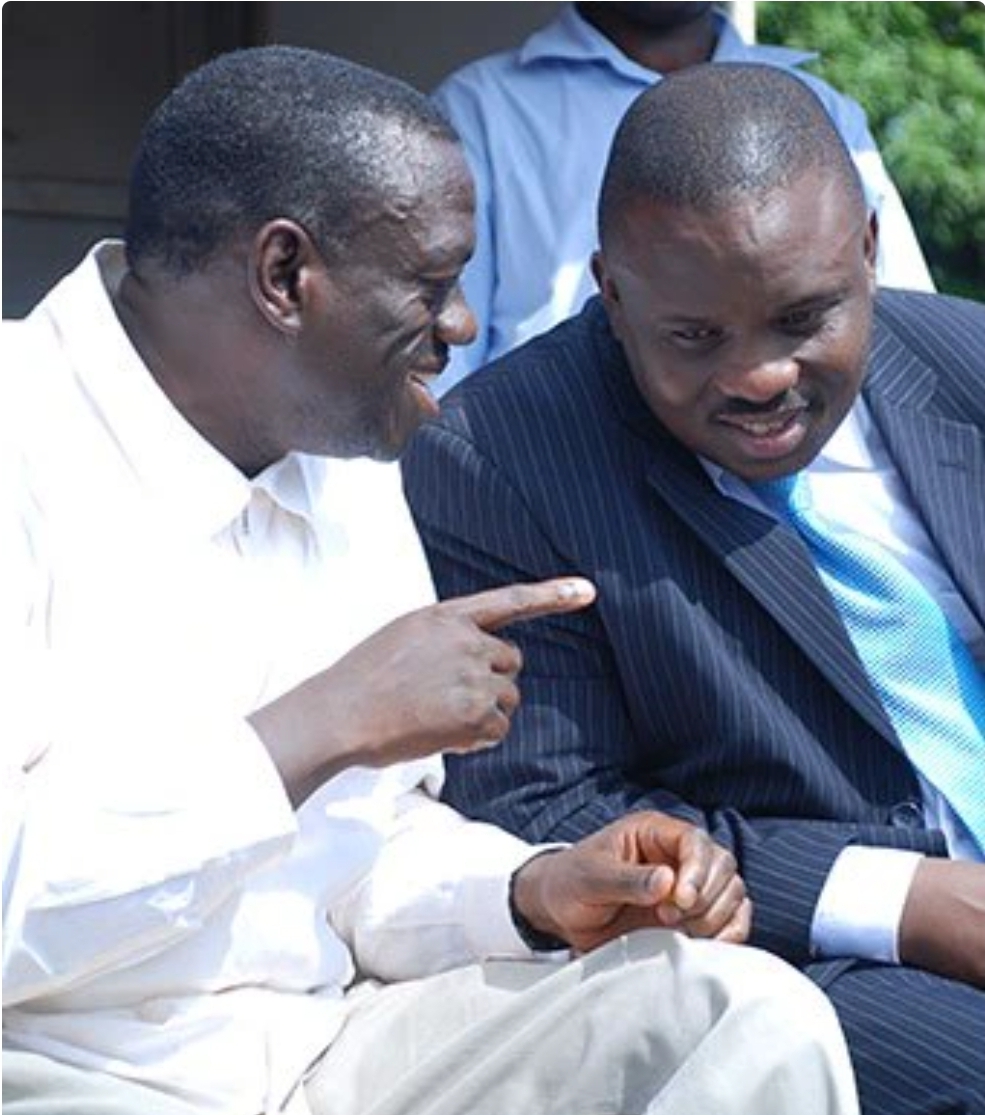 Besigye, Lukwago expected to meet Gen. Salim Saleh today at Kapeeke
Ultimate Uganda
Besigye, Lukwago expected to meet Gen. Salim Saleh today at Kapeeke
Ultimate Uganda
 Rwabwogo Advised to ‘Eat His Bishop’ As MK Prepares to Enter State H’se: PREZ MUSEVENI ON HIS WAY OUT
Ultimate Uganda
Rwabwogo Advised to ‘Eat His Bishop’ As MK Prepares to Enter State H’se: PREZ MUSEVENI ON HIS WAY OUT
Ultimate Uganda
0 Comments