
Inside the Shs1.1 trillion supplementary budget
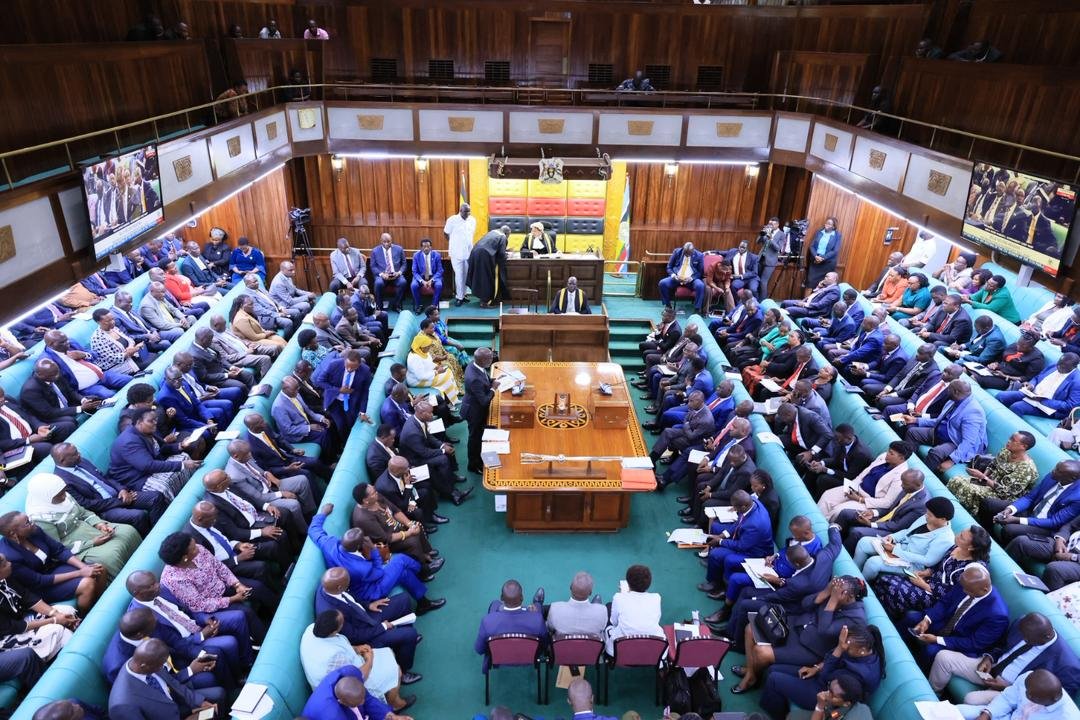

Parliament yesterday passed a supplementary budget of Shs1.1 trillion under supplementary schedule five, giving more money to the government to implement its activities. Of the total amount, the supplementary request that does not require prior approval from Parliament amounts to Shs586.2b. This is within a three percent limit, while another Shs519b must go through Parliament for approval before spending the funds.
The supplementary budget request comes just two months before the beginning of the next financial year. It also emerged that the budget request was never referred to the Budget Committee for scrutiny, raising fears among a section of the legislators of foul play. West Budama North East MP Fox Odoi moved a motion to suspend the rule that requires a supplementary budget to first go through the House’s Budget Committee.
This was supported by members of the ruling National Resistance Movement (NRM) party, while the Opposition was against the move. Some of the biggest beneficiaries of the supplementary budget are the State House, with a classified request of up to Shs410b. Out of the total, the State House has already spent Shs300b under the three percent cap that does not require parliamentary approval, while Shs110b has to be approved by Parliament.
Other beneficiaries include the Electoral Commission, which will receive Shs56b to organise LC1 and LC2 elections, the Uganda Police Force has been allocated Shs130b, while pensions and wage bills will receive Shs107b. Organisation of Africa Cup Nations gets an additional Shs29.7b, operationalisation of seed schools got Shs23.2b, while swearing in of President Museveni has been given an additional Shs3b.
Atiak Sugar Factory, which has already received hundreds of billions of shillings, was allocated an additional Shs37b. Districts received an extra Shs9.9b. The Wage Bill was increased by Shs23.6b, of which Shs17.1b goes to the central government, and Shs6.5b to the local governments. Other beneficiaries of the supplementary budget include health facilities—such as regional referral hospitals, district hospitals, and others—which also received funding.
The Ministry of Agriculture, Animal Industry and Fisheries, Ministry of Trade, Industry and Co-operatives, Ministry of Energy and Mineral Development, National Information Technology Authority, National Agricultural Research Organisation, and the Uganda Police Force also benefited. Additional allocations went to the Office of the President, Ministry of Local Government, Ministry of Gender, Labour and Social Development, Ministry of Water and Environment, Ministry of East African Community Affairs, and Ministry of Kampala Capital City and Metropolitan Affairs, among others.
Presenting the request to Parliament yesterday, Mr Henry Musasisi, the State minister for Finance (General Duties), said the money will help the government to implement planned activities up to the end of the financial year. However, he faced stiff resistance from a section of legislators who wondered how the government can ask for money for programmes that were already known.
Mr Joel Ssenyonyi, the leader of the Opposition in Parliament, put the minister to task to explain why they failed to plan for the activities for which they are seeking supplementary budget. “You see, there is a reason why there were laws that were to a very great extent clear. The Public Finance Management Act provides for supplementary, they are within the law, but there is a justification for a supplementary budget request, unforeseeable.
I am really struggling to understand how unforeseeable some of these things are,†he said.
Mr Ssenyonyi also questioned why the government had tabled the supplementary budget request at a time when the term of the 11th Parliament is coming to an end. “We are closing down as a Parliament, and we seem to be in haste to appropriate money for what [activities they] are saying are unforeseeable.
We have talked about the swearing-in ceremony, there is money for Atiak, Shs37.9b. We have been here, and we have screamed our voices hoarse about projects like Atiak, like Dei Biopharma, which was given free money, Shs778b, money was given to Inspire Africa Coffee in Ntungamo, Shs180b, plus Roko Shs260b, of course, there is Lubowa Specialised Hospital that has become a white elephant,†he said.
Taxpayers have had to dig deep into their pockets to fund some of the endless private ventures with little tangible outcomes. Lubowa Specialised Hospital, Atiak Sugar Factory and a host of other private ventures have all benefited from the State coffers, with the blessing of the President, while other businesses have had to close doors after their requests for bailout were rejected.
Mr Ssenyoni said the “white elephants†are draining the Treasury while Ugandans continue to lack basic necessities, which the government should have provided. “We then talked about Atiak Sugar Factory that has received so far Shs668b over the years. It’s a factory I went to visit with colleagues, and there has been no sugar coming from there for the last couple of years, but every year we keep appropriating money.
Now we are even bringing money through a supplementary budget for Atiak Sugar Factory. Help me understand who this Atiak person is that we keep giving them billions of shillings on an annual basis. Now it even has to come through a supplementary budget, and that it’s an emergency. The taxpayers who are watching us could see us as conduits of fraud,†he said.
Mr Ibrahim Ssemuju Nganda, the Kira Municipality MP, said key sectors like education, which require funds for critical issues like training teachers and development of the national curriculum, were ignored while money is available for ceremonies.
“We have just considered the budget. In the budget, Madam Speaker, this government did not provide Shs4b for the National Curriculum Development Centre (NCDC)to complete the new syllabus, especially for our children in Senior Six who are going to sit for exams. They also denied Uneb Shs8b to train teachers who are going to mark Senior Six, the first group that is going to sit under a new curriculum. But in their minds, they have money to organise the ceremony because the President can be sworn in anywhere. When he captured power, he was sworn in here at the staircase of Parliament, and the sun rose and set,†he said.
He wondered where government priorities lie while planning for the country, challenging the ruling NRM party to live up to what it says. “I don’t know what is wrong with these NRM people so that you can deny our children an opportunity to study, and yet you bring more here to eat. You should be ashamed of yourselves.†However, Mr David Bahati, the State minister for Trade, defended the Atiak Sugar Factory budget, saying production of sugar would start soon.
“As all of you know, Atiak Sugar Factory is a project supported by the government to transform the economy of northern Uganda. We have funded Atiak Sugar Factory to do a number of activities. One is irrigation, and Atiak Sugar Factory is finishing up the irrigation system to help guard against the changing weather so that there is proper production of sugar cane,†he said. “I know members are concerned with when the sugar from Atiak Sugar Factory will be put on the market. I have good news for you.
Atiak Sugar Factory will start producing sugar in the month of September this year. So we should be able to support this factory so that they start producing sugar this September,†he added. Similarly, Mr Anthony Akol, the chairperson of the Acholi Parliamentary Group, said: “You know this sugar factory has really taken long, and the first production of sugar cane got finished very fast. However, the government has put in additional measures to bolster supply, and soon production will start.â€


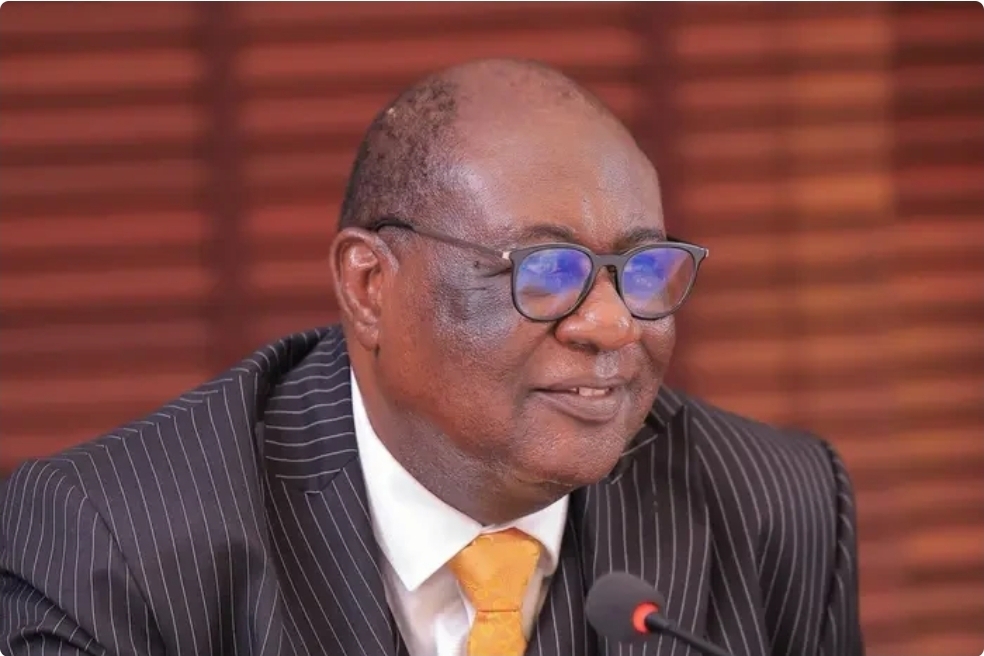 Government will not gazette Kijanangoma as King of Tooro for now - Attorney General insists
Ultimate Uganda
Government will not gazette Kijanangoma as King of Tooro for now - Attorney General insists
Ultimate Uganda
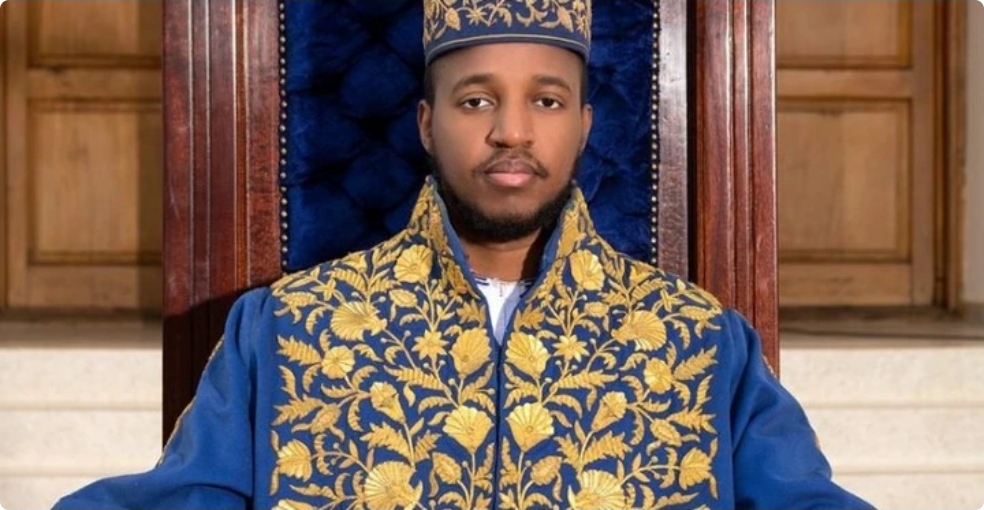 King Oyo’s Body to Arrive Thursday
Ultimate Uganda
King Oyo’s Body to Arrive Thursday
Ultimate Uganda
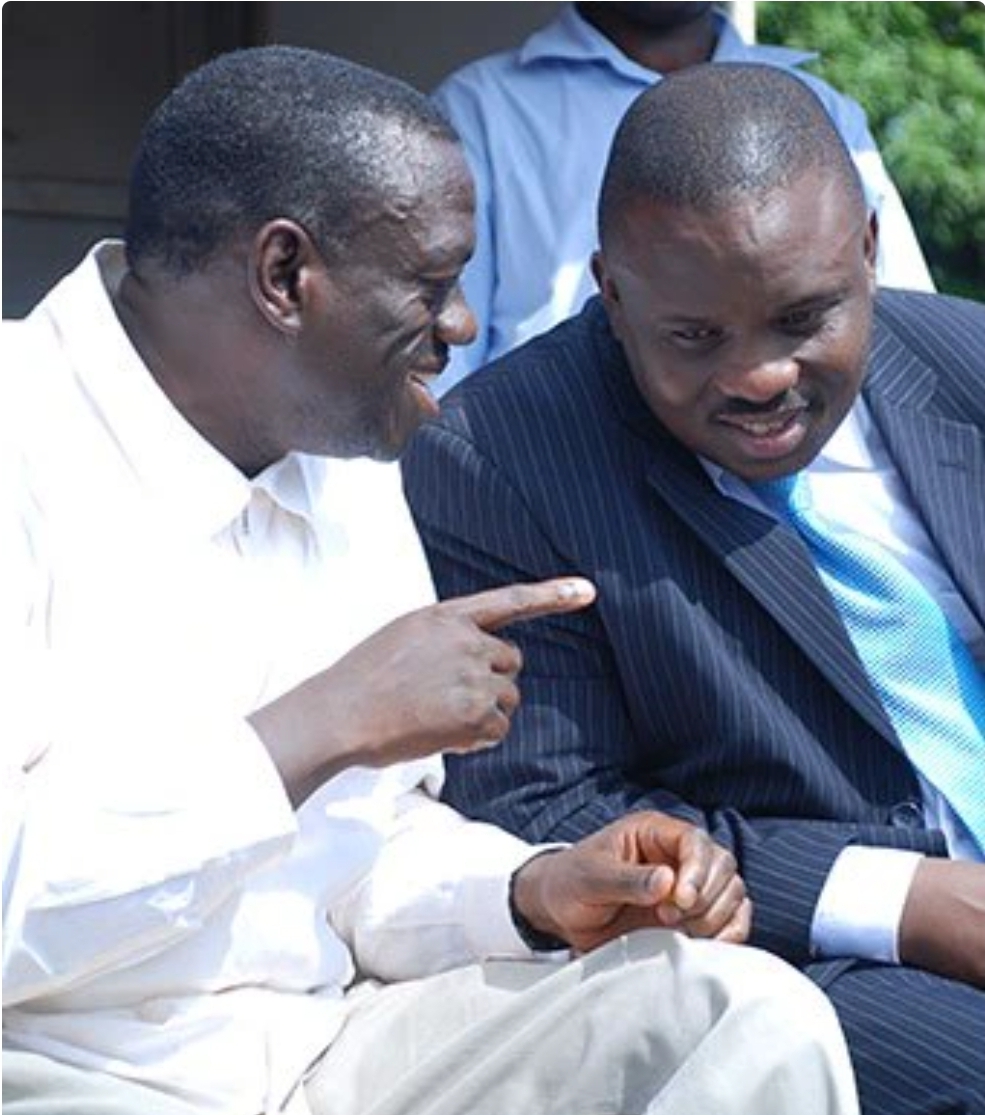 Besigye, Lukwago expected to meet Gen. Salim Saleh today at Kapeeke
Ultimate Uganda
Besigye, Lukwago expected to meet Gen. Salim Saleh today at Kapeeke
Ultimate Uganda
 Rwabwogo Advised to ‘Eat His Bishop’ As MK Prepares to Enter State H’se: PREZ MUSEVENI ON HIS WAY OUT
Ultimate Uganda
Rwabwogo Advised to ‘Eat His Bishop’ As MK Prepares to Enter State H’se: PREZ MUSEVENI ON HIS WAY OUT
Ultimate Uganda
0 Comments