
Retired Justice Egonda-Ntende Blasts Judicial Bias in Political Cases
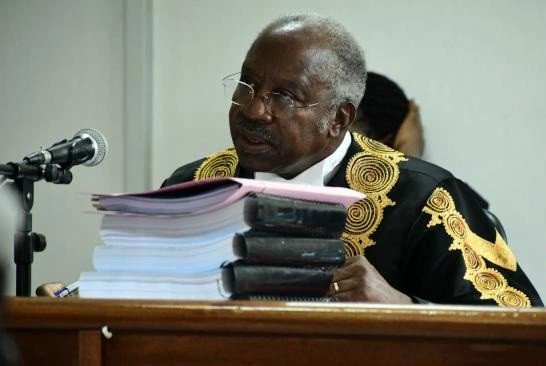

Retired Constitutional Court judge Frederick Egonda-Ntende has criticised sections of Uganda’s Judiciary for failing to uphold fairness and human rights in politically sensitive cases, warning that continued judicial overreach and abuse of pre-trial detention risk undermining public confidence in the justice system.
Retired Constitutional Court judge Frederick Martin Stephen Egonda-Ntende has sharply criticised what he described as growing judicial bias and unfairness in politically sensitive cases, warning that some judicial officers are abandoning the principles of justice, constitutionalism and human rights.
Justice Egonda-Ntende made the remarks during a special sitting held in his honour as he officially retired from judicial service after more than three decades on the bench.
Known for his outspoken defence of constitutionalism, judicial independence and civil liberties, Egonda-Ntende has over the years earned a reputation among lawyers and civil society actors as one of the country’s strongest judicial voices against state excesses, judicial overreach and abuse of power.
Some legal commentators have even described him as the “Chief Justice Uganda never had†because of his often uncompromising stance on rule of law issues.
In an emotional speech, the retired judge criticised the continued use of prolonged pre-trial detention and denial of bail in cases involving opposition supporters and politically exposed individuals.
He specifically referenced the case of Alex Waiswa Mufumbiro, a supporter of the National Unity Platform who was reportedly denied bail despite the death of his wife.
“Multiple weeks ago, I read and viewed in both print and broadcast media, the story of a couple of young children mourning and burying their mother who had passed on as a result of a lost battle with cancer,†Justice Egonda-Ntende said.
“The children were grieving and burying their mother alone without their surviving parent, a father held on some minor, obscure and yet unproven charges.â€
He criticised the continued detention of accused persons beyond constitutionally acceptable limits, saying such practices undermine the moral foundation of the justice system.
“The father was held in pre-trial custody, denied bail long past the constitutionally permitted period for denial of liberty. What society treats its people like this?†he asked.
“Team Judiciary, where are your Kityos and Wambuzes at this hour?â€
The remarks drew attention inside the packed courtroom, with many interpreting them as a direct challenge to judicial officers whom he believes have failed to uphold the courage and independence once associated with senior jurists such as former Chief Justice Benedicto Kiwanuka and former Supreme Court judge George Kanyeihamba, among others.
Throughout his judicial career, Egonda-Ntende became known for frequently speaking out on constitutional governance, abuse of executive power and the shrinking civic space in Uganda.
Even while still serving on the Court of Appeal and Constitutional Court, he repeatedly warned against militarisation of civilian institutions and weakening constitutional safeguards.
During the inaugural Sam Kalega Njuba Memorial Lecture in September 2025, Justice Egonda-Ntende warned that Uganda risked sliding deeper into authoritarianism if civilian control over the military was not restored and constitutional checks and balances protected.
Speaking under the theme “Remodelling Our Constitutional Framework,†he invoked the legacy of George Washington and the framers of Uganda’s 1995 Constitution.
“The framers of the 1995 Constitution sought to emulate the two principles President Washington established,†he said at the time.
“Firstly, civilian control of the Army. Secondly, the question of not allowing a situation of an elected leader turning into a semi-monarch, hence term and age limits that were instituted.â€
He lamented the removal of presidential term limits in 2005 and age limits in 2017, arguing that constitutional safeguards designed to restrain executive power had gradually been dismantled.
Justice Egonda-Ntende also criticised the increasing use of military courts to try civilians, particularly opposition politicians and activists, describing the trend as dangerous to constitutional democracy.
“The Constitution must achieve a distribution of power between different arms of government, without any one person or organ growing into such a powerful organ that it would be able to control the other organs,†he warned.
At his retirement ceremony, judicial officers and colleagues praised him for his long service, commitment to constitutionalism and willingness to defend individual liberties even in politically difficult circumstances.
Many speakers described him as a principled jurist who consistently placed justice and constitutional interpretation above political convenience.
His retirement marks the end of a judicial career spanning more than 35 years, during which he served in Uganda’s superior courts and participated in several landmark constitutional and appellate decisions.
But even in retirement, his remarks are likely to reignite debate about the state of judicial independence, prolonged detention without trial and the handling of politically sensitive cases in Uganda’s courts.


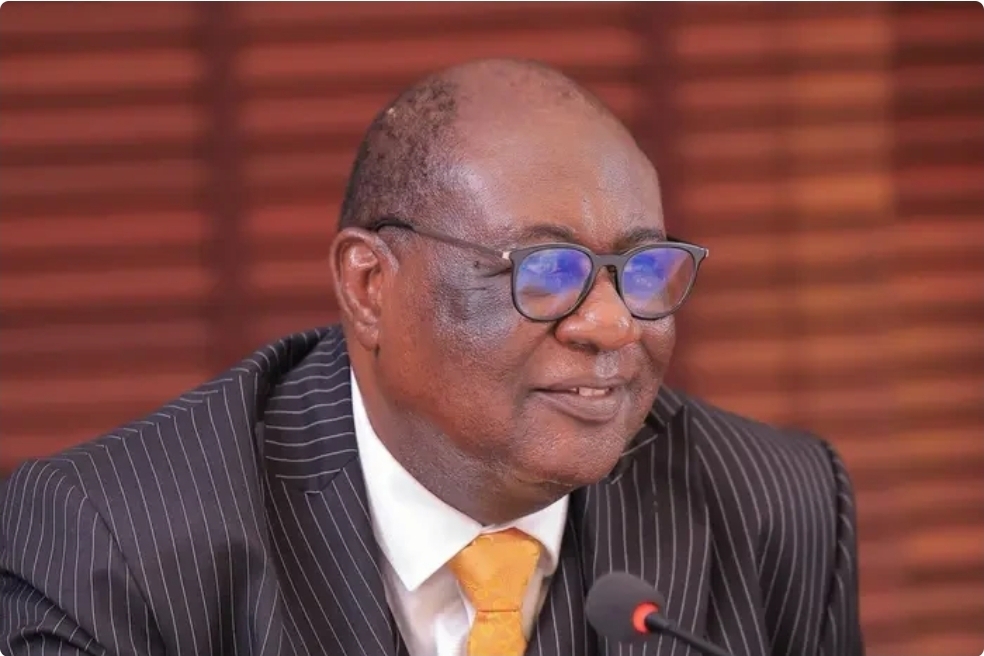 Government will not gazette Kijanangoma as King of Tooro for now - Attorney General insists
Ultimate Uganda
Government will not gazette Kijanangoma as King of Tooro for now - Attorney General insists
Ultimate Uganda
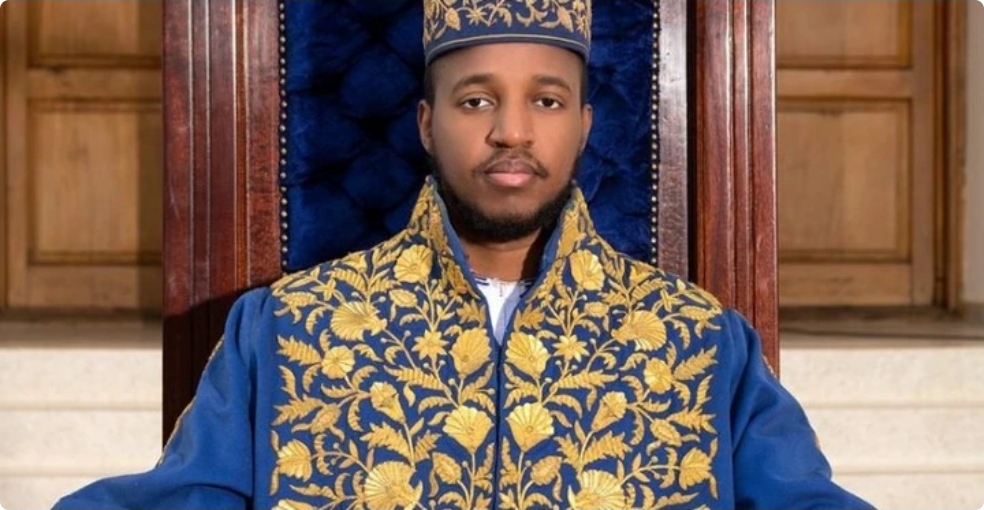 King Oyo’s Body to Arrive Thursday
Ultimate Uganda
King Oyo’s Body to Arrive Thursday
Ultimate Uganda
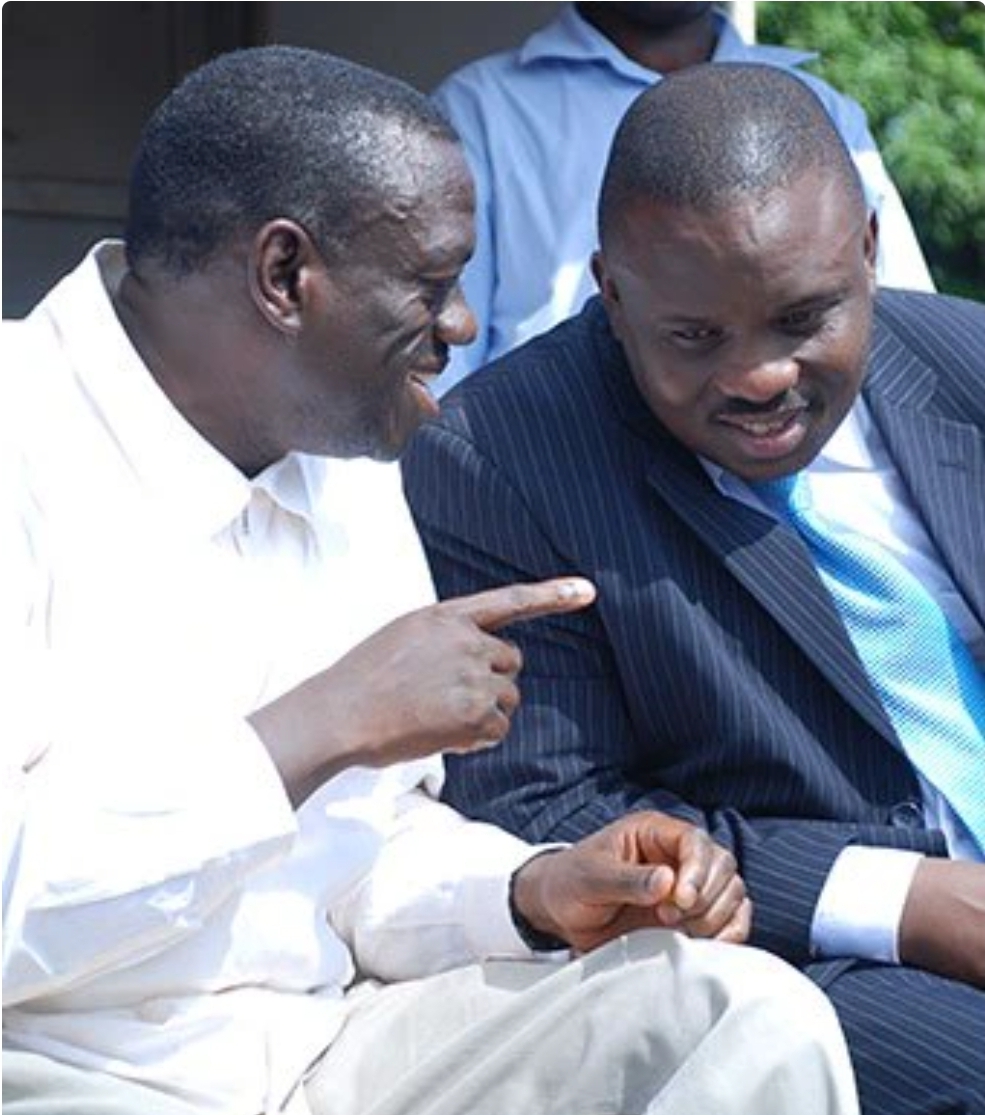 Besigye, Lukwago expected to meet Gen. Salim Saleh today at Kapeeke
Ultimate Uganda
Besigye, Lukwago expected to meet Gen. Salim Saleh today at Kapeeke
Ultimate Uganda
 Rwabwogo Advised to ‘Eat His Bishop’ As MK Prepares to Enter State H’se: PREZ MUSEVENI ON HIS WAY OUT
Ultimate Uganda
Rwabwogo Advised to ‘Eat His Bishop’ As MK Prepares to Enter State H’se: PREZ MUSEVENI ON HIS WAY OUT
Ultimate Uganda
0 Comments