
Uganda budget: 199 oil wells drilled as country nears first oil
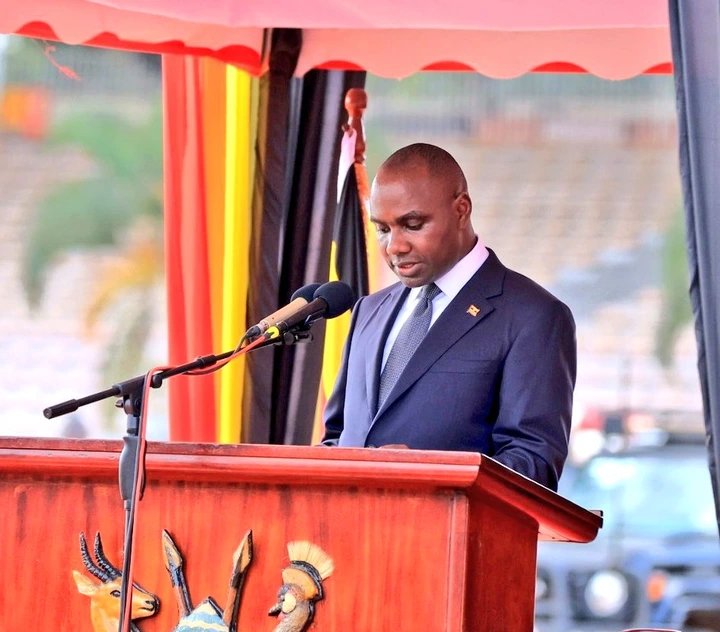

Uganda hits a major milestone toward first oil, drilling 199 wells to surpass the government threshold required for commercial production.
KAMPALA, Uganda — Uganda has drilled 199 oil wells, surpassing the threshold required to begin commercial production later this year, according to the country’s latest budget speech.
Finance Minister Henry Musasizi told Parliament on Thursday that workers drilled 51 additional wells over the past year. The cumulative total of 199 wells exceeds the 189 that the government says are necessary to trigger first oil.
The disclosure provides a firm timeline for the long-delayed petroleum project, which has faced multiple setbacks since commercially viable reserves were discovered in the Albertine Graben nearly 20 years ago.
According to the 2026-27 budget presentation, construction of the East African Crude Oil Pipeline and central processing facilities is now nearing completion. The pipeline will transport crude from the Tilenga and Kingfisher oilfields in western Uganda to Tanzania’s Indian Ocean coast for export.
The government reported that upstream infrastructure progress has continued despite recent logistical challenges linked to conflicts in the Middle East. At peak production, the Tilenga central processing facility is expected to process up to 190,000 barrels of oil per day.
Officials are already counting on the project to transform the national economy. Musasizi said economic growth is projected to accelerate to 10.2 percent in the 2026-27 financial year, with commercial oil production cited as the primary driver.
The budget also highlighted supporting infrastructure projects, including the completion of the first phase of Kabalega International Airport, which is designed to facilitate oil operations, regional trade and tourism.
To secure its broader petroleum supply chain, the state-owned Uganda National Oil Company has utilized a bulk procurement arrangement to stabilize local fuel prices during global market disruptions. The company also acquired a 20.15 percent stake in the Kenya Pipeline Company, a move intended to safeguard access to fuel transportation infrastructure. Uganda currently imports more than 95 percent of its refined petroleum products through the Kenyan corridor.
While the drilling milestone brings Uganda closer to commercial production than ever before, the project must still overcome historical skepticism. Previous production targets have been revised multiple times because of financing, logistical and infrastructure delays, leaving questions about how quickly the projected economic windfalls will materialize.


 Starlink goes live in Uganda; price comparisons against MTN, Airtel
Ultimate Uganda
Starlink goes live in Uganda; price comparisons against MTN, Airtel
Ultimate Uganda
 NSSF sets September 24 for Annual Members Meeting as savers await interest rate declaration
Ultimate Uganda
NSSF sets September 24 for Annual Members Meeting as savers await interest rate declaration
Ultimate Uganda
 Boda boda riders launch e-commerce, digital loans platform
Ultimate Uganda
Boda boda riders launch e-commerce, digital loans platform
Ultimate Uganda
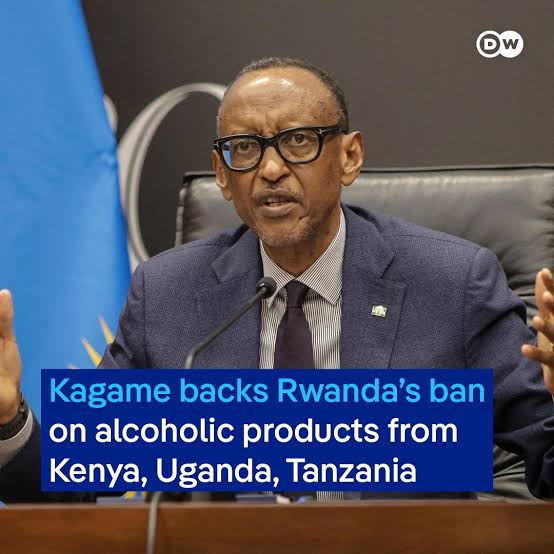 Rwanda: We Cannot Sit and Watch As Illicit Alcohol Kills People - Kagame
Ultimate Uganda
Rwanda: We Cannot Sit and Watch As Illicit Alcohol Kills People - Kagame
Ultimate Uganda
0 Comments