
RUSH FOR HIV WONDER JAB! Mbarara Clinics Overwhelmed as New 6-Month HIV Prevention Injection Runs Out in Days
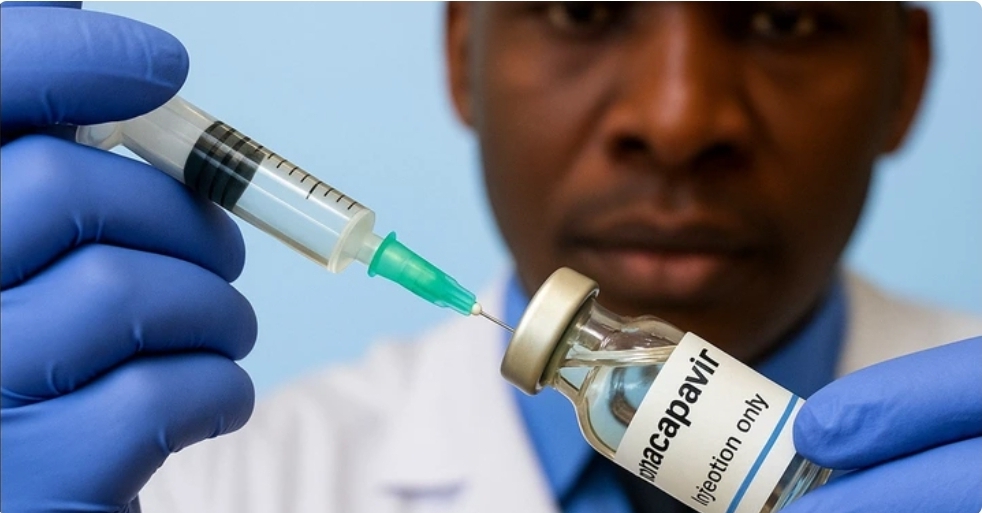

Health facilities in Mbarara City are struggling to keep up with surging demand for Lenacapavir, the revolutionary HIV prevention injection that only needs to be taken twice a year.
The new injectable Pre-Exposure Prophylaxis (PrEP), popularly known as “Lena,†has sparked excitement among residents, with initial supplies disappearing within days of arriving at health facilities.
Officials say the first batch of just 40 doses delivered to Mbarara City was quickly exhausted as people rushed to access the highly anticipated HIV prevention drug.
According to Dorcus Twinabaitu, the Mbarara City HIV Focal Person, the overwhelming response forced health authorities to request additional supplies, but even the latest stock is already running low.
“We received the first 40 doses and they were all consumed within a few days because of the high demand. We later received another supply, but it is also almost finished,†Twinabaitu revealed.
The drug, which is provided free of charge, is being offered at Mbarara Regional Referral Hospital and Mbarara City Health Centre IV, among other facilities in high-risk areas.
Unlike daily HIV prevention pills, Lenacapavir requires only two injections a year, making it one of the most convenient HIV prevention options currently available.
Health workers say the injection is intended for HIV-negative individuals and is particularly being promoted among groups at higher risk of HIV infection, including pregnant women, breastfeeding mothers and sex workers.
Twinabaitu said the arrival of Lenacapavir adds to a growing list of HIV prevention tools now available in Mbarara and urged residents to take advantage of the services.
“As Mbarara City and the region, we now have very many options for preventing HIV. We have tablets, vaginal rings, one-month injections and now the six-month injection available at Mbarara City Health Centre IV and Mbarara Regional Referral Hospital. HIV can be prevented and there is no reason people should continue getting infected when the options are available,†she said.
The development was disclosed during a media café organised by Health Journalists Network Uganda (HEJNU) and Health Promotion and Education Uganda (HEPS-Uganda) at Oxford Inn in Mbarara City.
The enthusiasm surrounding the new injection has been particularly strong among sex workers, who view it as a game-changing tool in protecting themselves from HIV.
Rose Nakabugo, a coordinator of the Nekolelajange (NEKO) Association and Village Health Team coordinator in Lyantonde Town Council, called on government to ensure a steady supply of Lenacapavir and other HIV prevention commodities across the country.
“If government wants to end HIV by 2030, prevention services must be available in every health facility, including those in rural areas. As sex workers, we are not about to retire from this work, so we need more prevention options to protect ourselves,†Nakabugo said.
She described Lenacapavir as one of the most promising HIV prevention innovations yet and encouraged fellow sex workers to embrace the new intervention.
“I urge my colleagues to rush for this drug and ask government to bring more. Some of my fellow members have already received it and the response is very positive,†she added.
The rush for the new injection highlights the continuing challenge of HIV in the Ankole sub-region, where Mbarara City, Mbarara District and Kazo remain among the areas with the highest prevalence rates.
Mbarara City currently leads the region with an HIV prevalence rate of about 10 percent, making expanded access to prevention services a key priority for health authorities.
With demand for Lenacapavir far exceeding available supplies, health officials are now appealing for increased distribution to prevent stock-outs and ensure that those seeking protection are not turned away.
For many residents, the six-month HIV prevention jab is being viewed as a breakthrough that could significantly boost Uganda’s efforts to end new HIV infections and move closer to achieving the goal of ending AIDS as a public health threat by 2030.
Mbarara Health Centres Run Dry as Residents Rush for New 6-Month Injection


 Government will not gazette Kijanangoma as King of Tooro for now - Attorney General insists
Ultimate Uganda
Government will not gazette Kijanangoma as King of Tooro for now - Attorney General insists
Ultimate Uganda
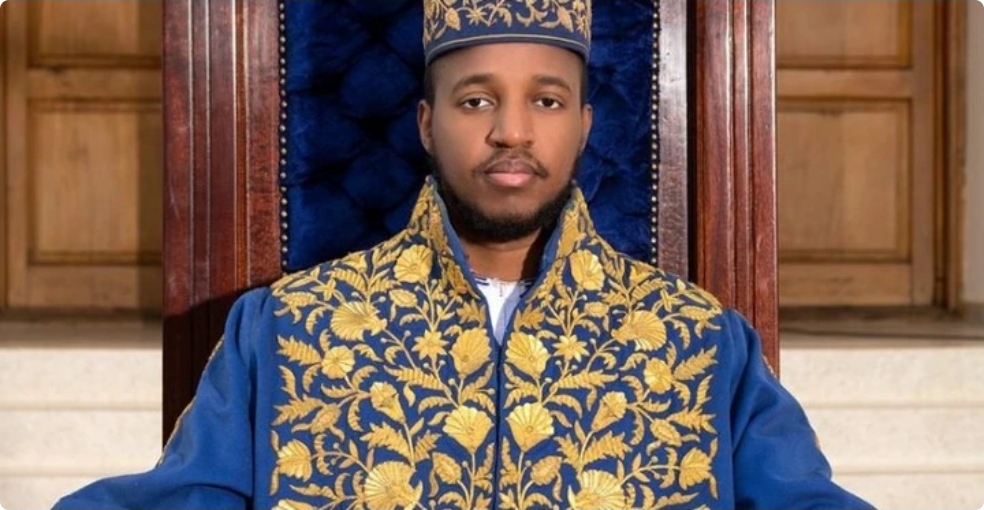 King Oyo’s Body to Arrive Thursday
Ultimate Uganda
King Oyo’s Body to Arrive Thursday
Ultimate Uganda
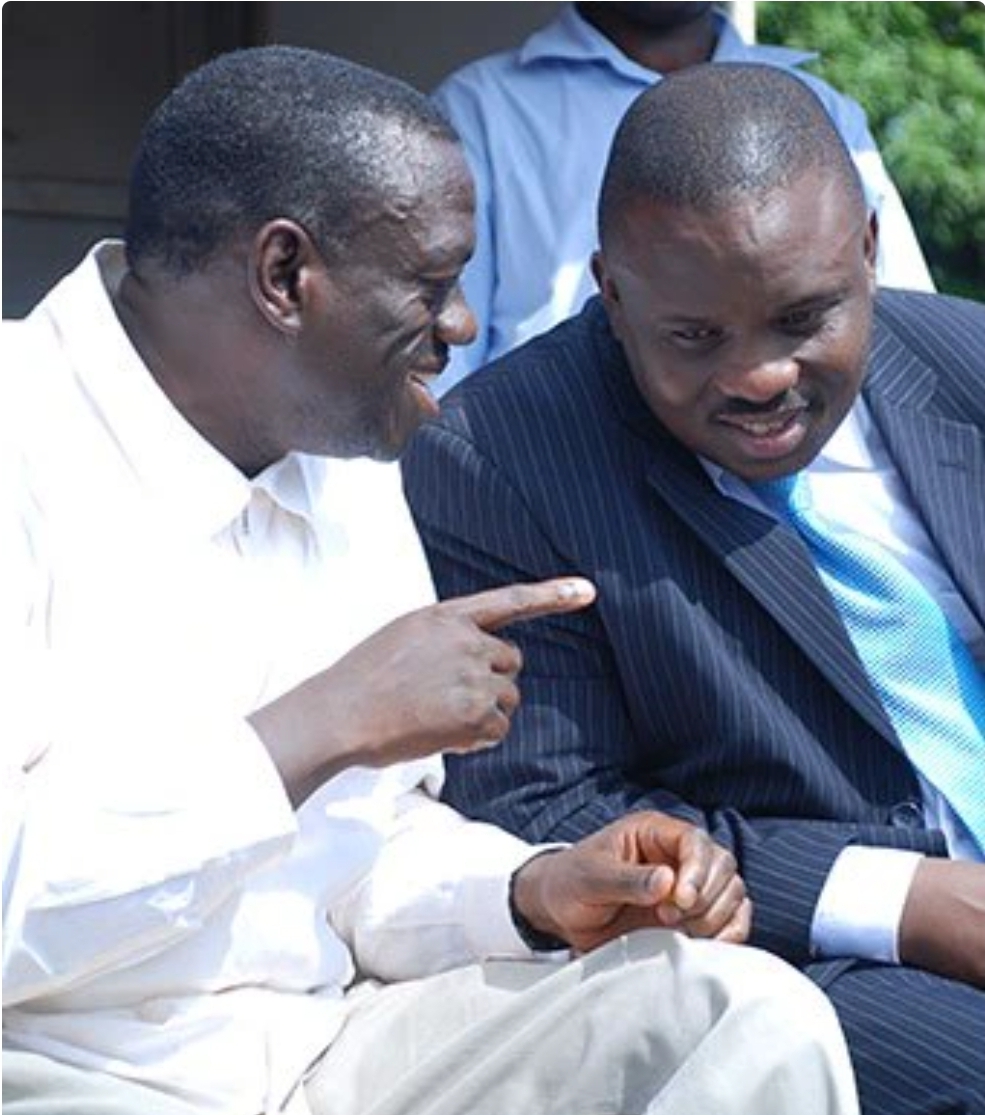 Besigye, Lukwago expected to meet Gen. Salim Saleh today at Kapeeke
Ultimate Uganda
Besigye, Lukwago expected to meet Gen. Salim Saleh today at Kapeeke
Ultimate Uganda
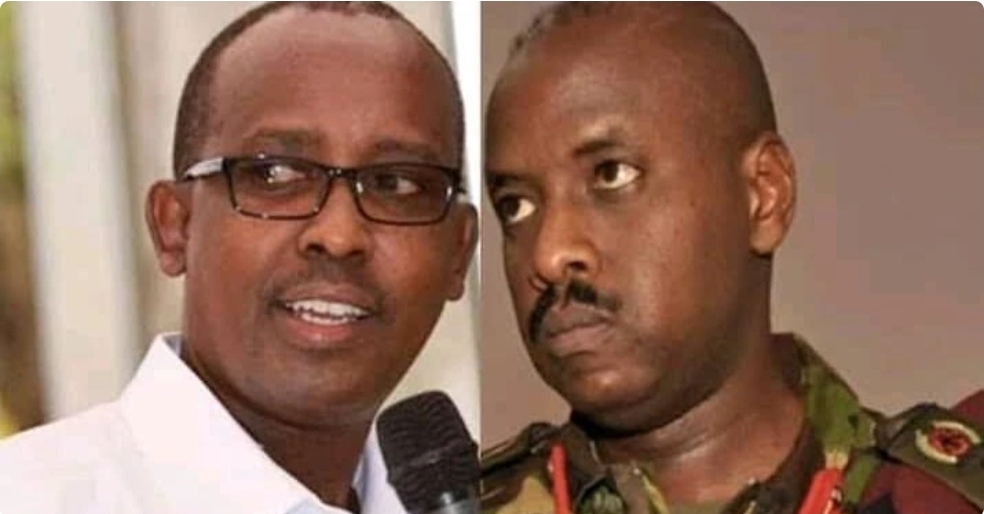 Rwabwogo Advised to ‘Eat His Bishop’ As MK Prepares to Enter State H’se: PREZ MUSEVENI ON HIS WAY OUT
Ultimate Uganda
Rwabwogo Advised to ‘Eat His Bishop’ As MK Prepares to Enter State H’se: PREZ MUSEVENI ON HIS WAY OUT
Ultimate Uganda
0 Comments