
Nameere Warns Contractors over Shoddy
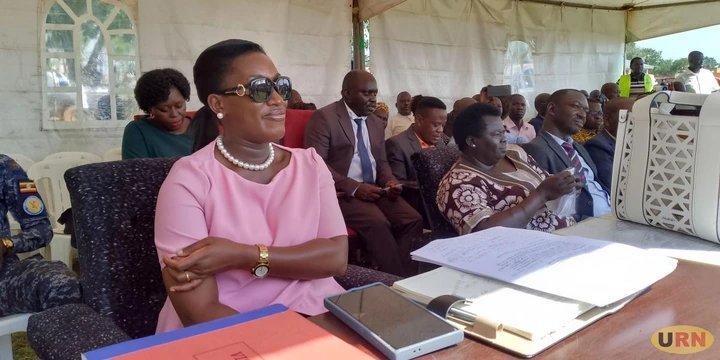

State Minister for Local Government Justine Nameere Nsubuga has warned contractors against shoddy work, corruption and delays as government begins construction of community access roads in Agago, Lamwo and Pader districts. The roads, jointly funded by the Government of Uganda and the Government of Germany through KfW Development Bank, cover about 69 kilometres. They include Kalongo–Lomoi Road Section A (15 kilometres) to be constructed by Safe Green (U) Ltd and Kalongo–Lomoi Road Section B (14.9 kilometres) by Strakon Ltd in Agago District, Kona–Ogwenyo–Tenten Road (21.6 kilometres) in Lamwo District and the Puranga–Ogonyo–Achola Stream Road (19.4 kilometres) in Pader District.
Launching the project at Puranga Primary School on Thursday, Nameere said the 32.1-million-euro initiative is designed to improve rural transport, connect farmers to markets and reduce post-harvest losses while supporting implementation of the Parish Development Model. She however warned contractors saying, “The time for games, laziness, mediocre engineering, kickbacks and corruption is over. If you deliver shoddy work or fail to provide value for money, your contracts will be terminated, your companies blacklisted and those responsible prosecuted.â€
The minister said government would no longer entertain requests for contract extensions, insisting that all works must be completed within the agreed eight months. “There will be no extensions and no additional payments for work that has not been done,†Nameere warned. “Mobilize your equipment, mobilize your labour and deliver within the agreed timelines.†She also directed contractors to employ local residents wherever possible, saying the projects should create jobs alongside better roads.
Nameere further tasked Resident District Commissioners with submitting weekly progress reports, complete with photographs and videos, to strengthen monitoring and accountability throughout implementation.
Pader District Chairperson Alfred Akena described the project as a timely intervention, noting that the district’s road network has long outgrown the available maintenance budget. He said Pader has 528 kilometres of gravel roads, 1,204 kilometres of earth roads and only 12.5 kilometres of tarmac roads yet receive about shillings 1 billion annually for road maintenance.
“At the current level of funding, it would take us about 12 years to cover the district road network. If the allocation was doubled, we could significantly reduce that period to 6,†Akena said. He also expressed concern over centrally procured contractors, saying district leaders are often left to supervise projects over which they have little control. “Sometimes contractors do not take our guidance, yet we are expected to monitor the work. We shall closely supervise this project to ensure there is value for money.â€
Pader District Engineer Benedict Lubang said Pader had initially proposed 11 roads under the programme at an estimated cost of shillings 8 billion covering about 200 kilometres, but technical assessments pushed the cost beyond the available funding, forcing the district to prioritize only a few roads. He said the district would closely monitor implementation through a steering committee that would be formed involving district officials and consultants.
“We shall work closely with the consultants to ensure nothing is approved behind the district’s back. The steering committee will oversee implementation to guarantee quality work and timely completion.â€
Lubang also reminded contractors that procurement Gender and Labor guidelines require at least 40 percent of the workforce to be drawn from the local communities. Speaking on behalf of KfW Development Bank, Senior Portfolio Coordinator Dr. Milton Edimu said the project is financed through a 28-million-euro grant supporting rural roads, markets and road maintenance systems.
Although the programme had taken years to reach implementation, he said the focus must now shift to delivering quality infrastructure. “The minimum expectation is quality work, value for money, safety, and compliance with environmental and social safeguards. The legacy contractors should leave behind is durable roads—not problems for the communities.†He encouraged contractors to maximize the use of local labour and materials so that communities benefit economically even before the roads are completed.
Assistant Commissioner for District Inspection at the ministry of local government, Silva Tindizara urged contractors to respect project timelines and warned that government would not tolerate impunity during implementation. He also asked local leaders to sensitize communities on protecting the infrastructure and ensuring that the roads and markets improve household incomes and food security.
Puranga Town Council Chairperson Joseph Obita said the project would strengthen implementation of the Parish Development Model by improving access to markets. He urged contractors to employ local labour and cautioned against inflated project costs and poor workmanship.
“We shall not accept projects with inflated costs or poor-quality work. Local people must benefit through employment, and every shilling invested should deliver value for money,†Obita said. He also appealed to government to address staffing gaps in local governments, saying they continue to affect service delivery and project supervision.
Residents who attended the launch welcomed the project, expressing hope that it would improve movement of people and agricultural produce. Catherine Onen of Lawiye-Oromo Village in Tenam Sub-county said farmers have struggled for years because of poor roads linking villages to trading centres.
“We are happy because better roads will reduce transport challenges and help farmers earn more from their produce. Both farmers and buyers will benefit from easier access to markets,†she said. The roads form part of a shillings 10.39 billion contract package covering 139.7 kilometres of climate-resilient roads under the RUDSEC programme across Northern Uganda-URN.


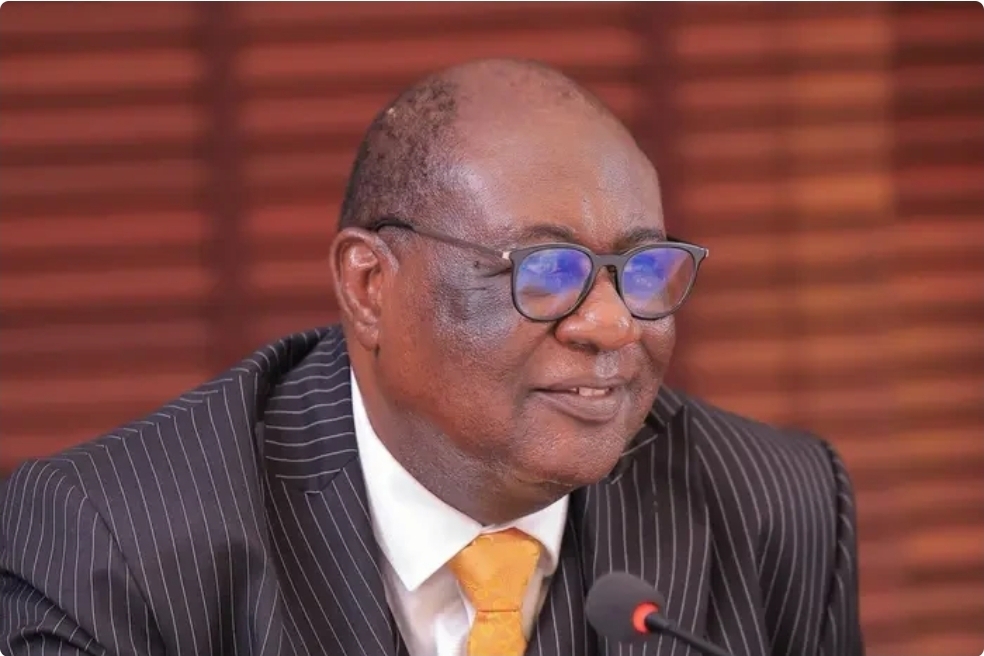 Government will not gazette Kijanangoma as King of Tooro for now - Attorney General insists
Ultimate Uganda
Government will not gazette Kijanangoma as King of Tooro for now - Attorney General insists
Ultimate Uganda
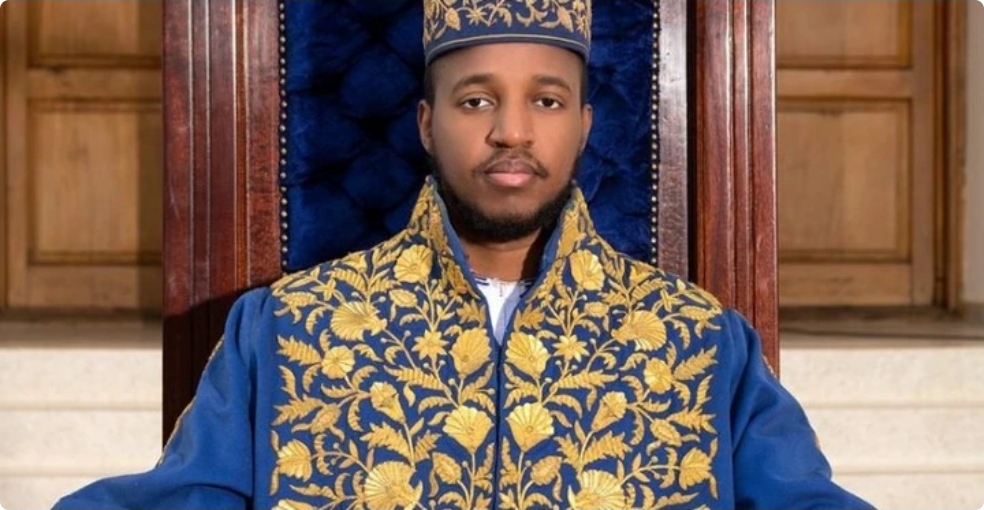 King Oyo’s Body to Arrive Thursday
Ultimate Uganda
King Oyo’s Body to Arrive Thursday
Ultimate Uganda
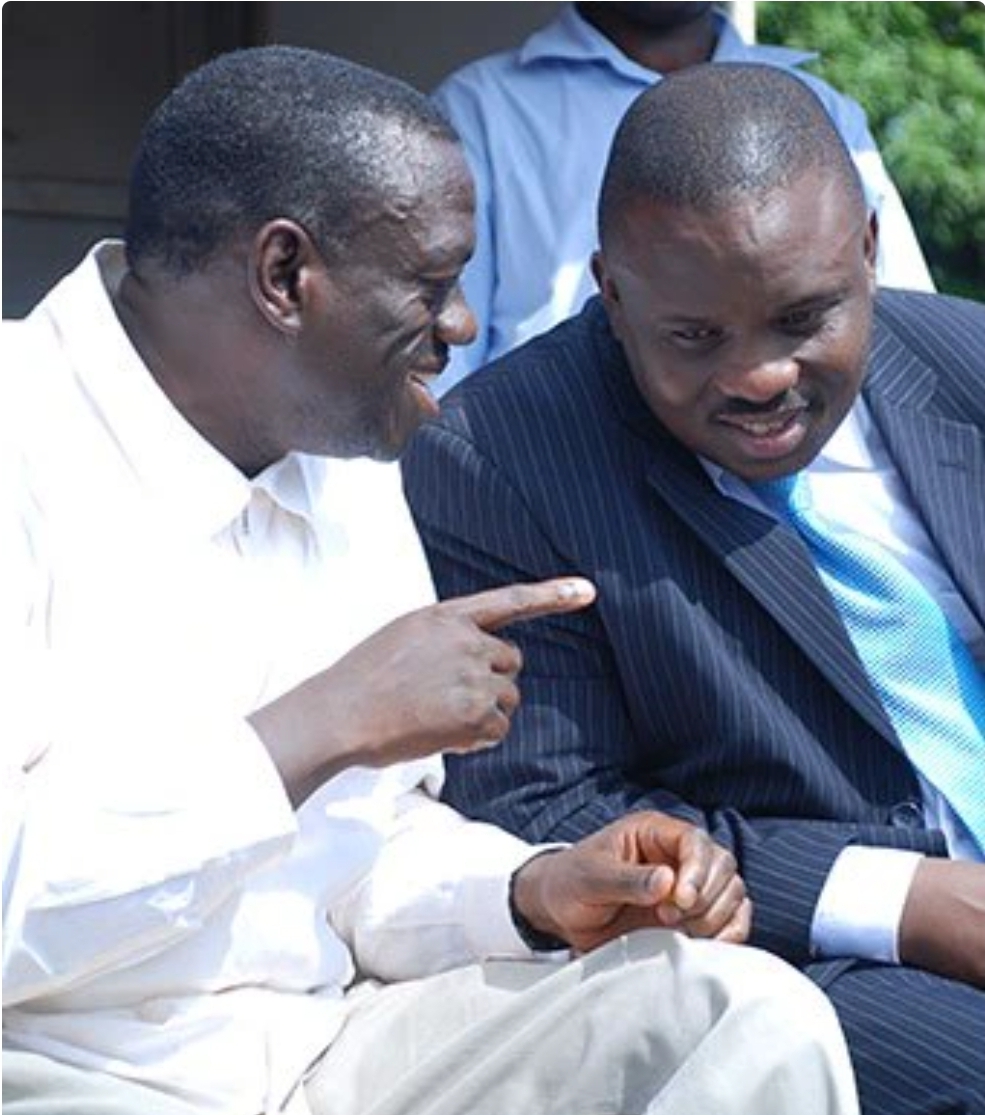 Besigye, Lukwago expected to meet Gen. Salim Saleh today at Kapeeke
Ultimate Uganda
Besigye, Lukwago expected to meet Gen. Salim Saleh today at Kapeeke
Ultimate Uganda
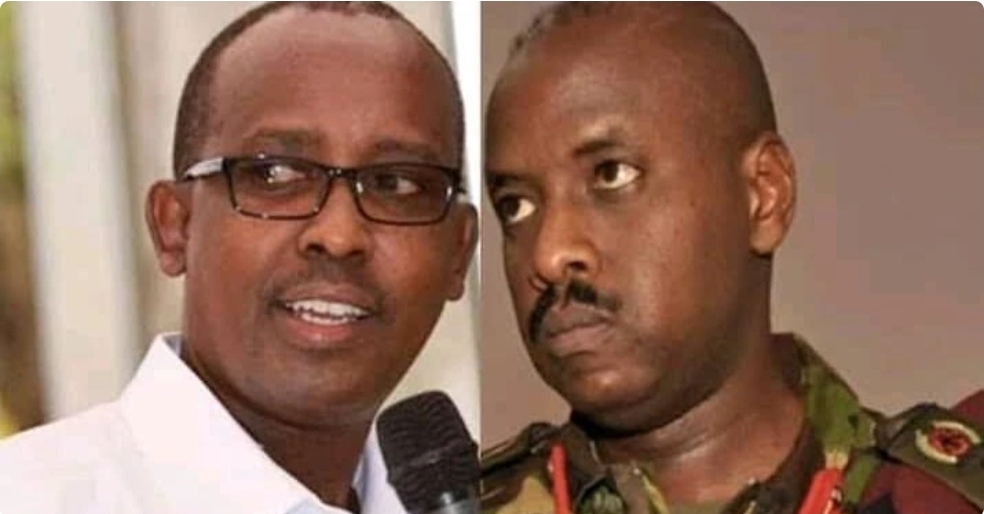 Rwabwogo Advised to ‘Eat His Bishop’ As MK Prepares to Enter State H’se: PREZ MUSEVENI ON HIS WAY OUT
Ultimate Uganda
Rwabwogo Advised to ‘Eat His Bishop’ As MK Prepares to Enter State H’se: PREZ MUSEVENI ON HIS WAY OUT
Ultimate Uganda
0 Comments