
How to Start a Legal Public Wi-Fi Business in Uganda as Fibre Internet Expands Nationwide
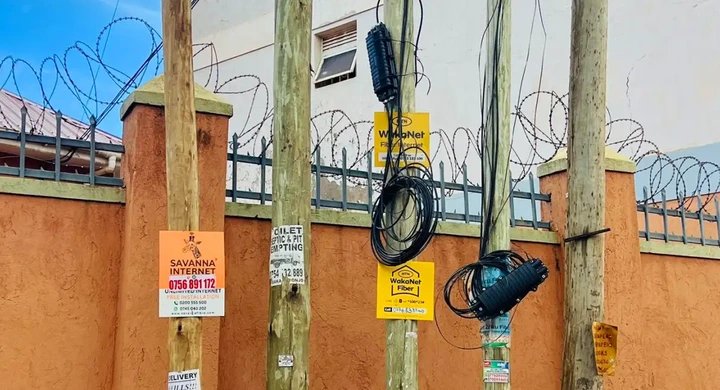

Fibre internet is expanding across Uganda, creating new opportunities for entrepreneurs to provide affordable public Wi-Fi services.
A UCC licence is required to legally resell internet or operate a commercial hotspot, following a nationwide crackdown on illegal operators.
With the right equipment and business model, entrepreneurs can earn recurring income by selling internet access in busy communities.
Reliable internet is no longer a luxury in Uganda—it has become an essential service for homes, businesses, schools and entertainment. As fibre networks continue expanding beyond Kampala into municipalities, trading centres and district towns, entrepreneurs are finding new opportunities to earn by providing internet access to their communities.
Whether it’s students needing affordable internet, families streaming movies on smart TVs, remote workers, or small businesses that depend on stable connectivity, demand for reliable internet continues to grow.
This demand has given rise to internet resellers and public Wi-Fi hotspot operators who purchase internet from licensed providers and sell access to multiple users.
However, anyone planning to venture into this business must understand the legal requirements.
UCC Cracking Down on Illegal Internet Resellers
The Uganda Communications Commission (UCC) has launched enforcement operations against individuals and businesses operating public Wi-Fi services without the required licences.
The regulator warns that simply buying a home fibre connection from an internet service provider and reselling it to neighbours or customers is not permitted unless the business has the appropriate authorisation.
Operators found running illegal public Wi-Fi services risk equipment confiscation, fines and closure.
How to Start the Business Legally
Anyone intending to sell internet commercially should first establish a legally recognised business.
The process generally involves:
Registering a company with the Uganda Registration Services Bureau (URSB).
Obtaining a Tax Identification Number (TIN) from the Uganda Revenue Authority (URA).
Applying for a Public Service Provider (PSP) licence from UCC under the appropriate category for internet capacity resale.
Operating legally also makes it easier to secure business partnerships, commercial internet packages and future expansion.
The Equipment You’ll Need
Unlike a normal home Wi-Fi setup, a commercial hotspot requires equipment capable of handling many users simultaneously.
Typical equipment includes:
A commercial fibre or dedicated business internet connection.
A gateway router capable of bandwidth management and voucher generation.
Outdoor wireless access points to distribute internet over a larger area.
Networking cables and installation accessories.
Billing software or a captive portal that allows customers to purchase internet vouchers using Mobile Money or bank cards.
How Much Does It Cost?
A small community hotspot can be established with a relatively modest investment.
Startup costs mainly include:
Commercial internet subscription.
Gateway router.
Outdoor access point.
Installation materials.
The exact investment depends on the size of the coverage area and the number of users expected.
Where the Biggest Opportunities Are
While Kampala remains a major market, the greatest opportunities may now lie outside the capital.
As fibre infrastructure reaches districts and growing towns, entrepreneurs can establish hotspot services in areas such as:
Trading centres.
Student hostels.
Rental apartments.
Markets.
Taxi parks.
Shopping arcades.
Small towns where affordable public internet remains limited.
Many customers prefer paying for short internet sessions instead of purchasing expensive monthly mobile data bundles.
How Internet Resellers Earn
Most hotspot operators generate income by selling internet packages such as hourly, daily and weekly access.
Some also create additional revenue by displaying advertisements on their Wi-Fi login pages, allowing local businesses to promote their products before customers access the internet.
With recurring customers, the business can generate predictable monthly income when managed efficiently.
A Growing Digital Economy
Uganda’s continued investment in digital infrastructure is creating new opportunities for entrepreneurs willing to operate within the law.
For anyone considering an internet resale or public Wi-Fi business, the key is to obtain the necessary licences, invest in reliable equipment and build a service that offers affordable, dependable connectivity to the community.
As fibre networks continue reaching more parts of the country, legal public Wi-Fi businesses could become an important part of Uganda’s expanding digital economy.


 Starlink goes live in Uganda; price comparisons against MTN, Airtel
Ultimate Uganda
Starlink goes live in Uganda; price comparisons against MTN, Airtel
Ultimate Uganda
 NSSF sets September 24 for Annual Members Meeting as savers await interest rate declaration
Ultimate Uganda
NSSF sets September 24 for Annual Members Meeting as savers await interest rate declaration
Ultimate Uganda
 Boda boda riders launch e-commerce, digital loans platform
Ultimate Uganda
Boda boda riders launch e-commerce, digital loans platform
Ultimate Uganda
 Rwanda: We Cannot Sit and Watch As Illicit Alcohol Kills People - Kagame
Ultimate Uganda
Rwanda: We Cannot Sit and Watch As Illicit Alcohol Kills People - Kagame
Ultimate Uganda
0 Comments