
World Cup final stadium capacity slashed by half as over 40,000 seats to be taken away
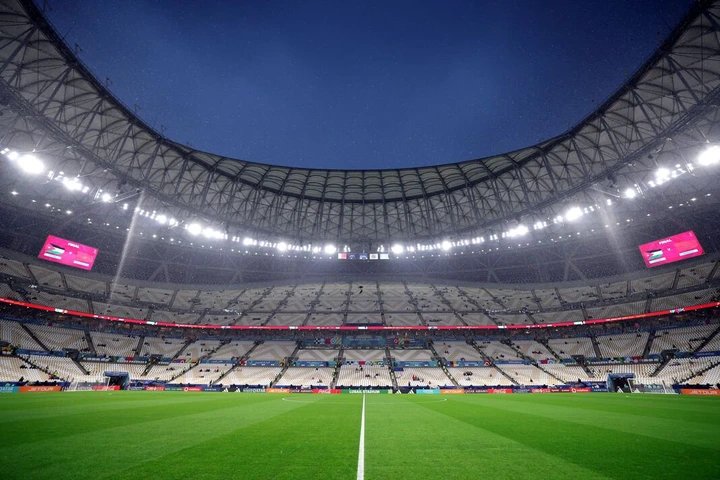

The stadium hosted one of the most memorable World Cup finals of recent times (Image: Getty)
A stadium that hosted the World Cup final will have its capacity reduced by more than half as part of a wide-ranging transformation. Four years ago, the tournament was held in Qatar, which became the first host country to be located in the Middle East. The final was particularly memorable as Argentina beat France on penalties to win the World Cup for the third time.
The match took place at the Lusail Stadium, which was one of eight arenas built specifically for the tournament. It boasts a capacity of 89,000, making it the largest stadium in the Middle East. However, just four years after hosting the World Cup final, it looks like it will never return to its former glory.
That's because the capacity will be slashed by almost half when 40,000 seats are taken out, according to The Sun.
While it has continued to host the occasional big event, such as the Intercontinental Cup and Arab Cup, it has no permanent sporting tenant. As a result, the stadium is rarely used.
It now looks set to be changed beyond recognition, with the capacity being significantly reduced and part of the structure being turned into schools, shops, cafes, health clinics and houses.
The stadium was built between 2017 and 2021 at a cost of around £574million. It hosted a total of 10 matches during the last World Cup, including the final.
The impressive arena will have its capacity reduced by almost half
The impressive arena will have its capacity reduced by almost half (Image: Getty)
The following year, it staged the opening match and the final of the Asian Cup. It was also the planned host of this year's Finalissima between Argentina and Spain, but the game was cancelled due to the outbreak of war in the Middle East.
Like many of the other arenas constructed for the World Cup four years ago, the Lusail Stadium is cooled using solar power and is claimed to have zero carbon footprint.
It is owned by the Qatar Football Assocation and no team calls it their home ground, meaning it has primarily been reserved for international matches and tournament fixtures.
The national team of Qatar rarely play there, with many of their home games being staged at Jassim bin Hamad Stadium in Al Rayyan.


 Man Utd sign 7 stars with 24 exits confirmed after final day of summer transfer window
Ultimate Uganda
Man Utd sign 7 stars with 24 exits confirmed after final day of summer transfer window
Ultimate Uganda
 Aston Villa hold talks over stunning Rafael Leao transfer as move for Palace star is knocked back
Ultimate Uganda
Aston Villa hold talks over stunning Rafael Leao transfer as move for Palace star is knocked back
Ultimate Uganda
 Furious Leandro Trossard hits out at officials after ex-Arsenal star SLAPPED in game
Ultimate Uganda
Furious Leandro Trossard hits out at officials after ex-Arsenal star SLAPPED in game
Ultimate Uganda
 When is Carabao Cup draw? Start time, ball numbers and TV channel for third round
Ultimate Uganda
When is Carabao Cup draw? Start time, ball numbers and TV channel for third round
Ultimate Uganda
0 Comments