
After 40 Years, Biya Creates Vice-Presidency, Appoints Son as Successor-in-Waiting
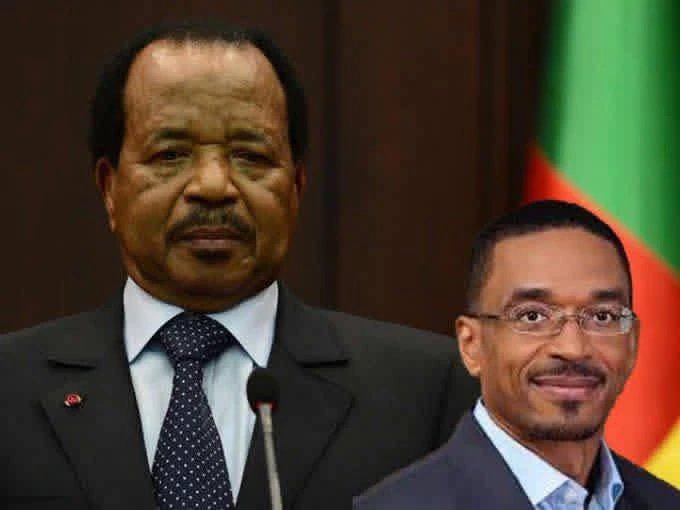

Biya Appoints Son Franck Emmanuel as Cameroon’s First Vice-President in Four Decades
Cameroon’s President Paul Biya has appointed a vice-president for the first time in his more than four-decade rule following controversial constitutional amendments passed by parliament, in a move that has intensified debate over succession and power consolidation.
Cameroon President Paul Biya (93) has appointed his son Franck Emmanuel Biya as Vice President and Head of the armed forces. Emmanuel becomes the first Vice President in his father’s four-decade rule since the position was scrapped in 1972.
Under the newly approved constitutional changes, the vice-president, appointed by the president rather than elected, will automatically assume office and complete the presidential term in the event of the incumbent’s death or incapacity. Previously, the Senate president would temporarily take over until fresh elections were held.
The amendments were passed during a joint sitting of parliament, with 200 lawmakers voting in favour, 18 against and four abstaining. The bill now awaits the president’s formal assent.
Supporters of the changes argue that reinstating the vice-presidency will improve government efficiency and ensure continuity in leadership. However, critics say the reforms were rushed and designed to consolidate power within the presidency.
Opposition parties have strongly condemned the move. The Social Democratic Front boycotted the vote, arguing that the vice-president should be elected jointly with the president rather than appointed. The party also called for constitutional provisions to reflect the country’s linguistic balance between English- and French-speaking regions.
“This constitutional reform could have been a moment of political courage, but it is nothing less than a missed historic opportunity,†said SDF chairman Joshua Osih.
Another opposition leader, Maurice Kamto, described the amendment as a “constitutional and institutional coup,†accusing the ruling party of attempting to establish what he termed a “republican monarchy.â€
The vice-presidential role existed during Cameroon’s federal era between 1961 and 1972, before being abolished following a referendum that introduced a unitary system of governance.
Biya, who has been in power since 1982 and recently secured an eighth term amid disputed election results, has long been the subject of speculation regarding his health and succession. While the reinstatement of the vice-presidency provides a clearer line of succession, uncertainty remains over the country’s political future.
With the constitutional changes now in place, attention has turned to the implications of the appointment, a move likely to further fuel national and international scrutiny.


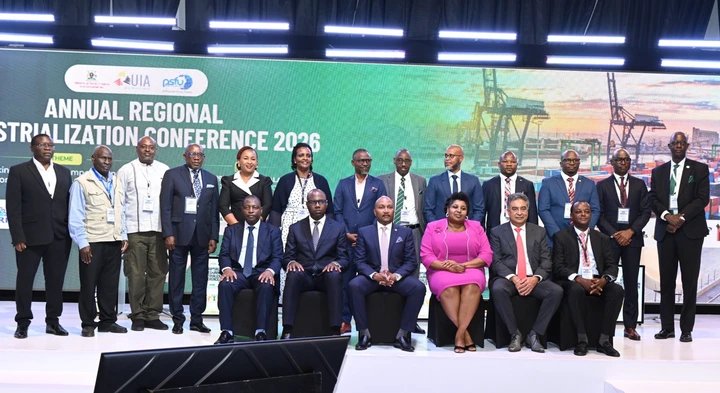 DRC opposition urges Tshisekedi to abandon constitutional changes
Ultimate Uganda
DRC opposition urges Tshisekedi to abandon constitutional changes
Ultimate Uganda
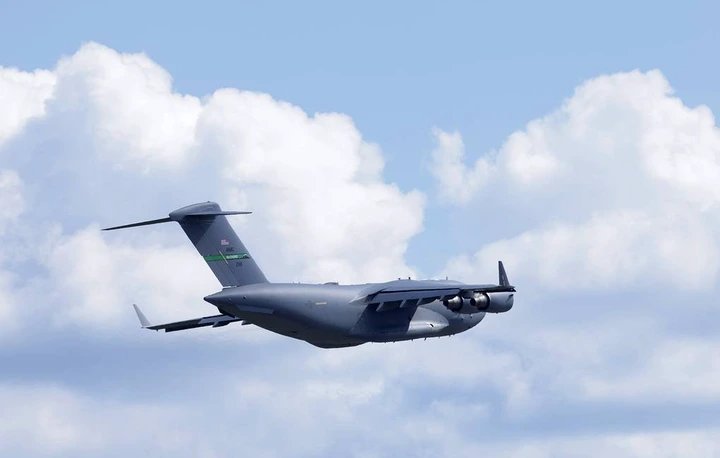 US military transport plane lands in Moscow
Ultimate Uganda
US military transport plane lands in Moscow
Ultimate Uganda
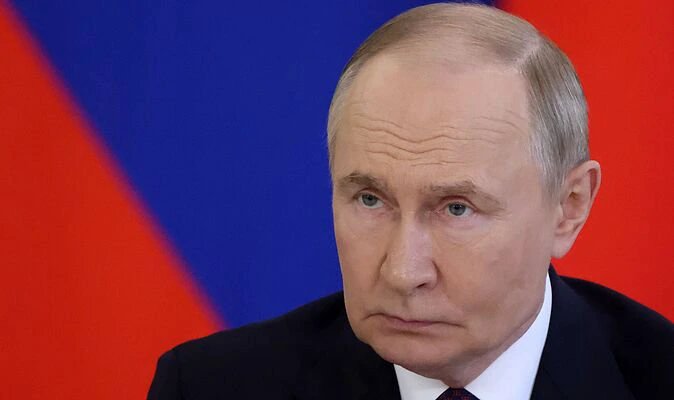 Putin puppet slaps UK with terrifying 2-word warning over drone factories
Ultimate Uganda
Putin puppet slaps UK with terrifying 2-word warning over drone factories
Ultimate Uganda
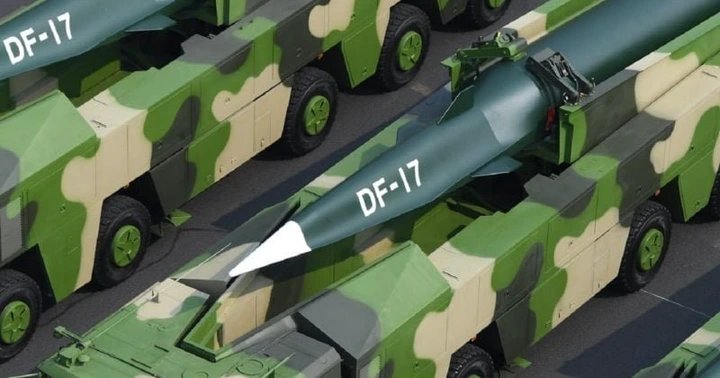 China develops hypersonic weapon to hunt US command aircraft thousands of miles away
Ultimate Uganda
China develops hypersonic weapon to hunt US command aircraft thousands of miles away
Ultimate Uganda
0 Comments