
Uganda set for showdown talks with Vitol as global oil disruptions bite
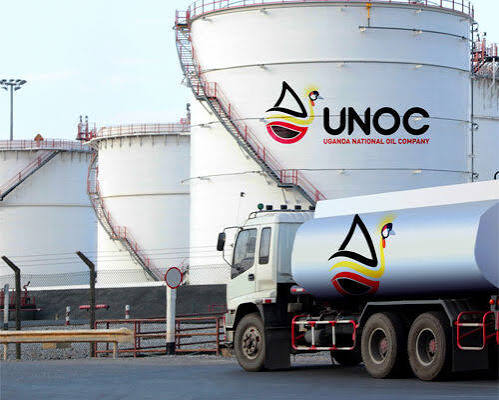

The Bahrain-based subsidiary of Vitol, the world’s largest independent oil trading firm, has faced major disruptions after Iran restricted access through the Strait of Hormuz in response to joint US-Israel attacks about two months ago.
KAMPALA: Senior executives of Vitol Bahrain E.C, Uganda National Oil Company’s (UNOC) anchor petroleum supplier, are expected in Kampala this week for discussions with government officials over global oil supply disruptions.
The Bahrain-based subsidiary of Vitol, the world’s largest independent oil trading firm, has faced major disruptions after Iran restricted access through the Strait of Hormuz in response to joint US-Israel attacks about two months ago. Other commodity traders, including Mercuria Energy Trading, Gunvor, Trafigura, and Glencore, have also been affected.
Sources familiar with the matter said that the Vitol executives will meet officials from UNOC, the Ministry of Energy, and President Yoweri Museveni to reassure the country on continued fuel supplies amid rising shipping costs and logistical hurdles.
According to the Financial Times (FT), the firm moved staff out of Bahrain and addressed disruptions at its oil-exporting port in Fujairah, United Arab Emirates (UAE), after Iran stepped up attacks on regional oil infrastructure from March 16. The Gulf city hosts one of Vitol’s refineries and storage facilities, with shipments passing through the Strait of Hormuz, a critical chokepoint handling about a quarter of global seaborne oil trade.
While conflicts often trigger market volatility, which oil traders can profit from, Vitol and peers were “wrongfooted†in the early days of the war, the FT reported. Many energy companies struggled to capitalise on price swings as Iran’s actions disrupted tanker movements. Vitol alone had over 10 consignments stuck in the Gulf, and two of its tankers were bombed on March 12, killing one crew member.
Insurance and operating costs for remaining vessels have surged more than sixfold, reflecting the risks of navigating the Gulf amid ongoing hostilities. Analysts warn that even if the Strait of Hormuz reopens, global supply disruptions could persist for another three months due to shipping delays.
In Kampala, Ministry of Energy Permanent Secretary Irene Batebe said discussions with Vitol would clarify the implications for Uganda’s fuel prices.
“We have assurances for supply over the next two months while placing new orders. Vitol has a global network capable of sourcing products through alternative routes away from the Strait of Hormuz,†Ms Batebe said.
UNOC’s Chief Corporate Affairs Officer Tony Otoa echoed the reassurances, noting that the country has adequate fuel supplies for April and May, with additional consignments on schedule.
Uganda’s exclusive partnership with Vitol Bahrain was formalised through the Petroleum Supply (Amendment) Act in November 2023, granting the company a five-year contract to import Premium Motor Spirit (petrol), Automotive Gas Oil (diesel), Household Kerosene, and Aviation Turbine Kerosene (Jet A-1) from the UAE to Mombasa. The arrangement eliminated over 120 intermediaries, allowing UNOC to deliver fuel directly to depots in Nairobi, Eldoret, and Kisumu for onward distribution to local Oil Marketing Companies (OMCs).
However, concerns over rising pump prices persist. Analysts note that Uganda’s cash-strapped Treasury, reeling from the recent elections, is proposing a Shs200 per litre levy on diesel and petrol to boost revenue, even as other governments explore ways to shield citizens from global oil shocks.
As global tensions continue to escalate in the Gulf, the upcoming talks with Vitol are being closely watched for their potential to stabilise Uganda’s fuel supply and mitigate further price hikes.


 Starlink goes live in Uganda; price comparisons against MTN, Airtel
Ultimate Uganda
Starlink goes live in Uganda; price comparisons against MTN, Airtel
Ultimate Uganda
 NSSF sets September 24 for Annual Members Meeting as savers await interest rate declaration
Ultimate Uganda
NSSF sets September 24 for Annual Members Meeting as savers await interest rate declaration
Ultimate Uganda
 Boda boda riders launch e-commerce, digital loans platform
Ultimate Uganda
Boda boda riders launch e-commerce, digital loans platform
Ultimate Uganda
 Rwanda: We Cannot Sit and Watch As Illicit Alcohol Kills People - Kagame
Ultimate Uganda
Rwanda: We Cannot Sit and Watch As Illicit Alcohol Kills People - Kagame
Ultimate Uganda
0 Comments