
JEEMA Warns Tax Hikes Will Deepen Poverty, Undermine Uganda’s Economy
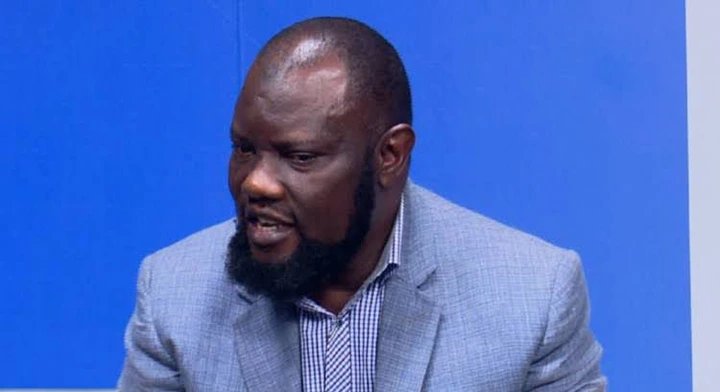

The Justice Forum (JEEMA) has condemned the government’s proposed tax increases in the 2026 national budget, warning that higher levies on income, fuel, and essential goods will worsen living standards for ordinary Ugandans.
JEEMA said the planned hikes in Pay As You Earn (PAYE), fuel excise duties, and levies on commodities such as cooking oil and soap are likely to intensify poverty, suppress consumption, and increase inequality.
Uganda’s narrow tax base, contributing only 14% of gross domestic product (GDP), makes these proposals ineffective at generating meaningful revenue, the party said far below the regional average of 18-20%.
“Raising PAYE without income growth undermines productivity. Increasing fuel taxes sabotages ‘Buy Uganda, Build Uganda’ initiatives by inflating transport and food costs,†said Dr. Swaib Kaggwa Nsereko, JEEMA spokesperson.
He added that the proposed tax measures could hurt domestic investors, including the Hoima oil refinery, while favoring alternative energy sources at the expense of Uganda’s own oil market.
JEEMA urged the National Resistance Movement (NRM) government to rethink the proposals and engage stakeholders in dialogue.
“Ugandans are not opposed to taxation, but they reject unfair approaches,†Dr. Kaggwa said. “The budget must reflect citizens’ realities and promote shared prosperity.â€
The government plans to adjust PAYE, currently taxing the highest earners at 40% for salaries above 10 million Shs per month.
JEEMA cautioned that without corresponding salary increases, higher PAYE would reduce disposable income, curb consumer spending, and slow private-sector growth.
JEEMA also criticized the proposed increase in per-litre fuel taxes, noting that fuel drives the cost of goods and services across Uganda.
Rising fuel costs would affect transport fares for commuters and boda-bodas, elevate food prices in urban markets such as Nakasero and Kalerwe, and raise operational costs for factories reliant on generators or heavy machinery.
“By taxing fuel and production inputs, the government risks making locally produced goods more expensive than imports, undermining the ‘Buy Uganda, Build Uganda’ policy,†Dr. Kaggwa said.
The party also warned against excise duty or stricter VAT enforcement on essential household goods, including vegetable oils and soaps.
Because these items are inelastic consumers must buy them regardless of price the tax increase would disproportionately affect low-income earners who spend a larger share of their income on necessities.
Uganda’s tax-to-GDP ratio of 14% reflects a narrow revenue base. In contrast, neighboring countries like Kenya and Rwanda collect 18-20% of GDP in taxes.
JEEMA argued that broadening the tax base, eliminating unjustified waivers for foreign firms, and implementing a standardized minimum wage would improve revenue collection while boosting workers’ welfare.
“The government should prioritize policies that empower Ugandans, not burden them further,†Dr. Kaggwa said. “It is both an economic and moral issue. Taxation should promote shared prosperity, not deepen poverty and inequality.â€
The party also called for strengthening anti-corruption mechanisms to ensure equitable use of public resources.


 The women who have been in King Oyo’s life
Ultimate Uganda
The women who have been in King Oyo’s life
Ultimate Uganda
 Ex Kagame Guard Commander Tom Byabagamba Dies in Rwandan Prison After 12 Years
Ultimate Uganda
Ex Kagame Guard Commander Tom Byabagamba Dies in Rwandan Prison After 12 Years
Ultimate Uganda
 Government begins salary payments for public sector workers – Reform Committee
Ultimate Uganda
Government begins salary payments for public sector workers – Reform Committee
Ultimate Uganda
 Temangalo land: NSSF, Nzenyi reach agreement
Ultimate Uganda
Temangalo land: NSSF, Nzenyi reach agreement
Ultimate Uganda
0 Comments