
Teachers stuck in debt trap
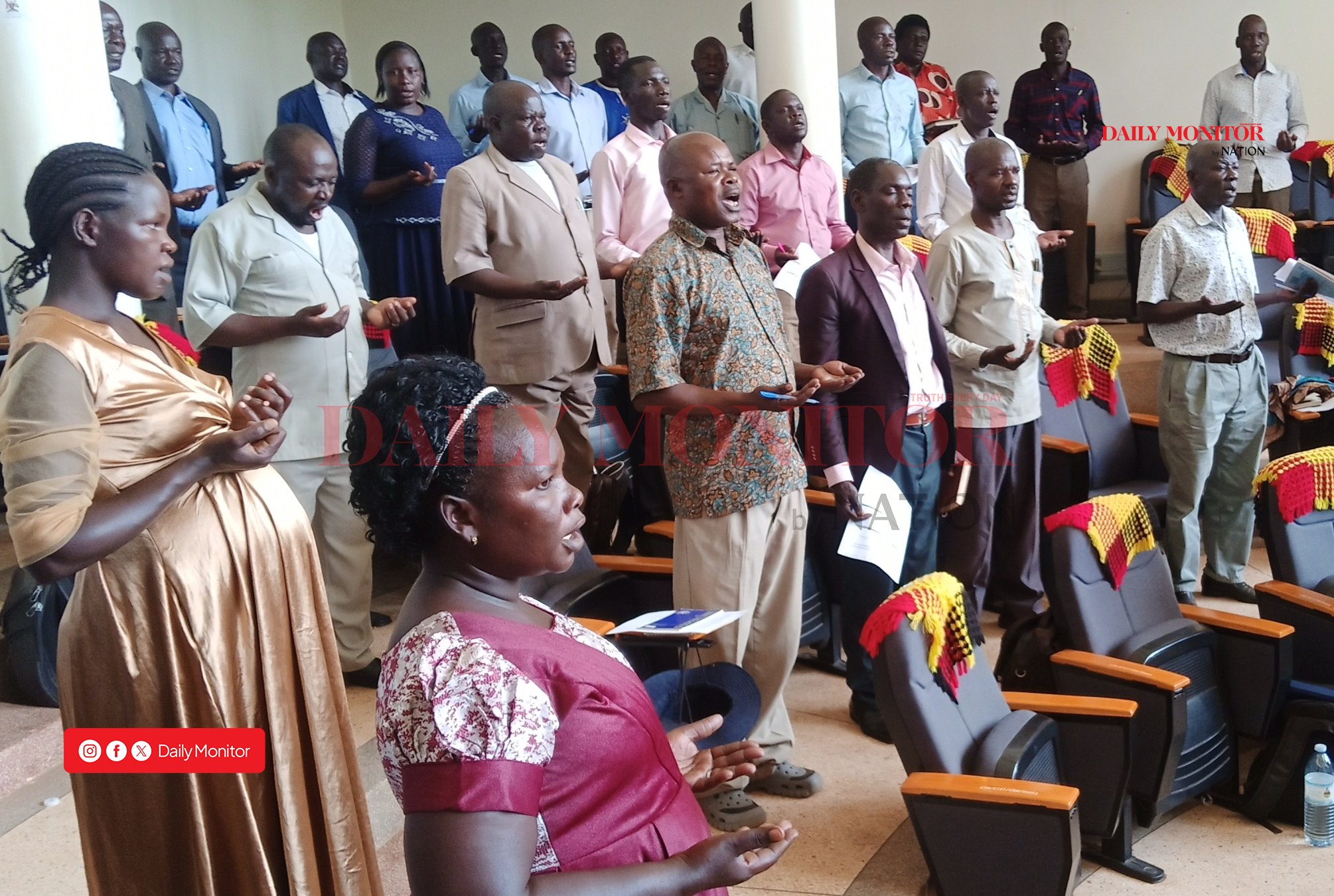

Today’s economic hardship is real, with many Ugandans, especially teachers, feeling the pinch. The burden of debt is palpable, and it is affecting the quality of education. With salaries stretched thin, borrowing has become a survival tool. But the cycle of repayment pressure is taking a toll. Teachers are stressed, anxious, and distracted, impacting lesson planning, teaching, and student support.
In Nakasongola District, for example, many have turned to multiple loans, desperate to stay afloat, only to end up trapped in a cycle of debt. Mr Owen David Kajura, a primary school teacher, knows this struggle all too well. Since 2014, Mr Kajura has been juggling bank loans, occasioned with hefty monthly salary deductions, leaving him barely scraping by. But things took a turn for the worse in 2023, when a microfinance institution he had borrowed from unilaterally hiked their interest rate from 19 percent to 27 percent.
"I was threatened and pressured into accepting the new terms. It's affecting my teaching and my life generally," Mr Kajura says. Fellow teacher Jude Ssemanda echoes similar concerns, citing the toll on teacher output and well-being. Teachers say multiple loans are causing stress and burnout. Mr Ssemanda agrees that multiple loans have partly had a negative impact on the teachers’ output because of the behaviour of some of the money-lending institutions.
“Some money lending institutions coerce the teachers to take the loans with attractive lending packages, but fail to stick to clear loan deduction terms from the respective teachers’ monthly salaries,†he says.
Mr Sharif Muhoozi, the proprietor of Masaka City-based Rahmah Kids Primary School-Kimanya, says while loans help the teachers to meet some of the family obligations, multiple loan undertakings have often destructed class work concentration.
“When a teacher has unpaid loans, he or she loses concentration because of stress. We also have teachers that ask for salary advances and end up getting nothing at the end of the month. Such teachers are never settled in class because of frustration,†Mr Muhoozi says.
Mr Mike Akena, the Uganda Professional Humanities Teachers Union General Secretary for northern Uganda, paints a dire picture: low pay is traumatising arts teachers, pushing them into debt.
"The little we get forces us into loans with terrible interest rates, draining us further," he says. Teachers are cracking under pressure, taking on extra trades such as boda boda riding just to survive. The District Education Officer (DEO) of Jinja, Mr Eria Kisambira, who also signs letters of undertaking for teachers seeking loans, confirms that many of their teachers have more than one loan.
He believes that multiple borrowing by teachers is partly to blame for the decline in academic performance in some schools. Mr Kisambira explains that numerous loans create stress and unrest among teachers, making it difficult for them to concentrate on teaching. “When a teacher borrows from multiple lenders, he or she tends to be absent from school since that is where lenders often come to trace them for repayment. As a result, they end up shunning teaching, which negatively affects learners’ performance,†the Jinja DEO says.
He advises teachers to avoid taking multiple loans, saying the problem largely stems from a lack of financial discipline. According to Mr Kisambira, there is a need to train teachers on how to better manage and utilise their salaries, noting that proper financial planning can help reduce the need for borrowing. The Buyende DEO, Mr Dison Bwire, says many teachers, especially those dealing with microfinance institutions and money lenders, face harsh and unfair loan recovery practices.
He notes that even after completing loan payments, some institutions continue making deductions for up to four to six months. “Teachers are forced to spend time away from school following up on loan clearances, often being referred to head offices in Kampala. This disrupts their teaching schedules and affects learners,†Mr Bwire explains. He calls for government intervention, including salary enhancement and stricter regulation of money lenders to protect teachers and improve education standards.
Mr Nathan Wabwire, the Mayuge District inspector of schools, says the issue touches all civil servants, but arts teachers are the most affected. “In Mayuge, the situation has worsened to the extent that one teacher was arrested by a financial institution last year and jailed for two months,†Mr Wabwire says. He adds that due to fear of arrest by money lenders, some teachers hide whenever they see unfamiliar people entering the school compound, even when those individuals are simply parents.
Mr Henry Dramaza, a teacher in Maracha District, borrowed Shs2.9 million from a microfinance institution in 2015 for a period of 60 months but ended up paying back more than Shs10 million. "I moved to their offices but they kept dodging me. After paying Shs8.1 million, they gave me a balance statement of Shs2,550,000, which I cleared. But this particular problem is still affecting me to date," Mr Dramaza says.
Mr Jackson Ogwang, a fine art teacher at Fr Aloysius Secondary School in Kole District, is conversant with the harsh economic reality. In 2022, when the economy reopened after two years of Covid-19 pandemic lockdown, he had difficulties in raising school fees of his three children . So, he went to one of the commercial banks in Lira City and borrowed a loan of Shs9 million repayable over a period of five years at a monthly interest rate of 15 percent.
Mr Ogwang, who earns a net salary of Shs620,000 badly needed the money to send his daughter back to Wanyange Girls Secondary School in Jinja where he was paying termly fees of Shs2 million.
“Since 2022, the bank has been deducting Shs415,000 monthly from my salary,†he says.
But money lenders are also feeling the pinch. Some have stopped lending due to unfaithful clients presenting duplicate securities, leading to court cases and reputational damage.
In Pader District, authorities have launched a crackdown on teachers who have resorted to boda boda riding and produce trade to service their loans.
The latest victim was a teacher at Kilak Primary School, who was reportedly arrested on his way from a market in Puranga Sub-county while selling chicken last week. The suspect told police that he borrowed loans from multiple sources and that his meagre salary could not sustain his burden.
According to Francis Olwoch, the Pader District inspector of schools, several teachers have been arrested and released with warnings after parents reported them.
“We rounded up many other teachers, but released them with warnings. They explained that they need to service their loans,†says Olwoch.


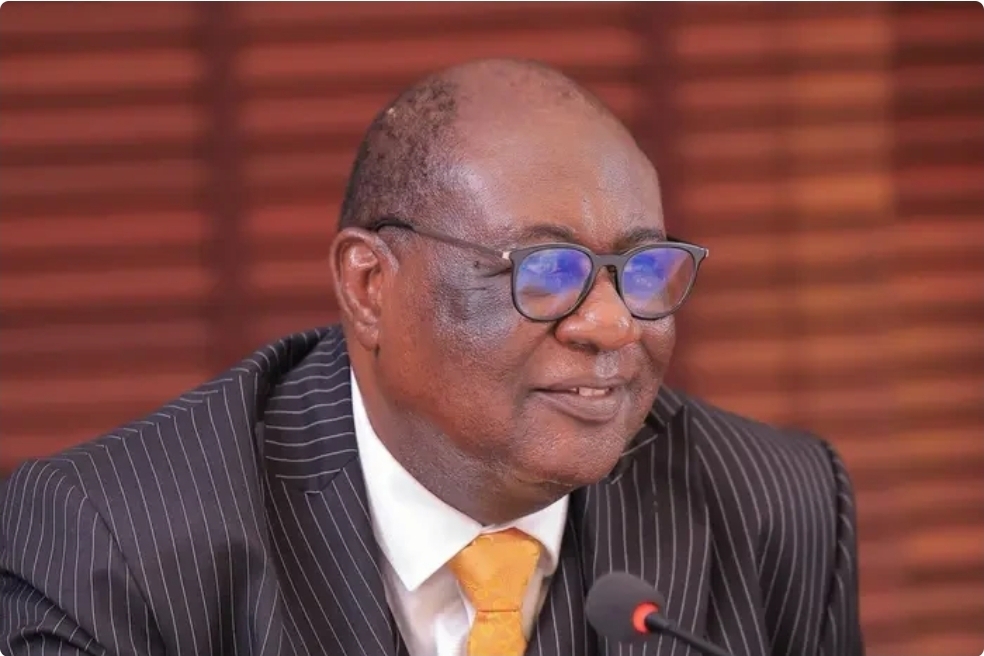 Government will not gazette Kijanangoma as King of Tooro for now - Attorney General insists
Ultimate Uganda
Government will not gazette Kijanangoma as King of Tooro for now - Attorney General insists
Ultimate Uganda
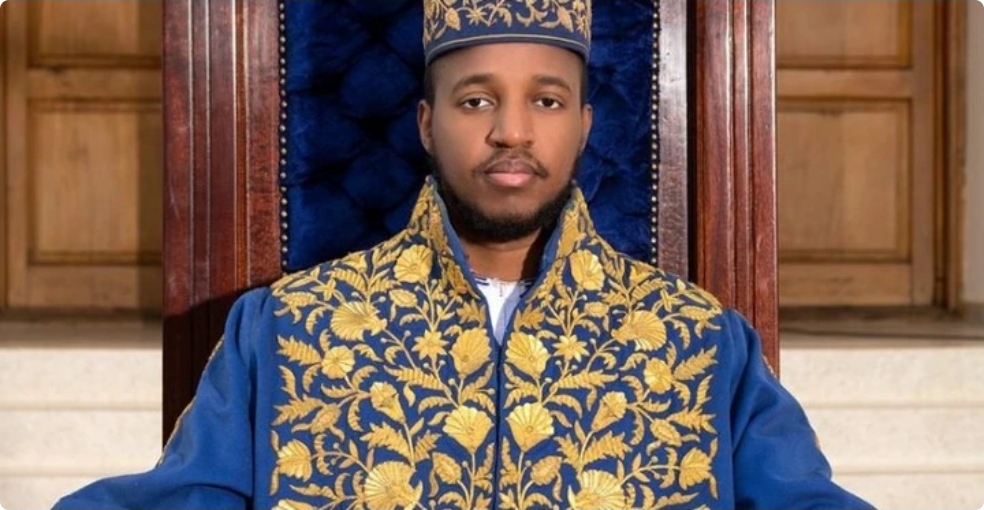 King Oyo’s Body to Arrive Thursday
Ultimate Uganda
King Oyo’s Body to Arrive Thursday
Ultimate Uganda
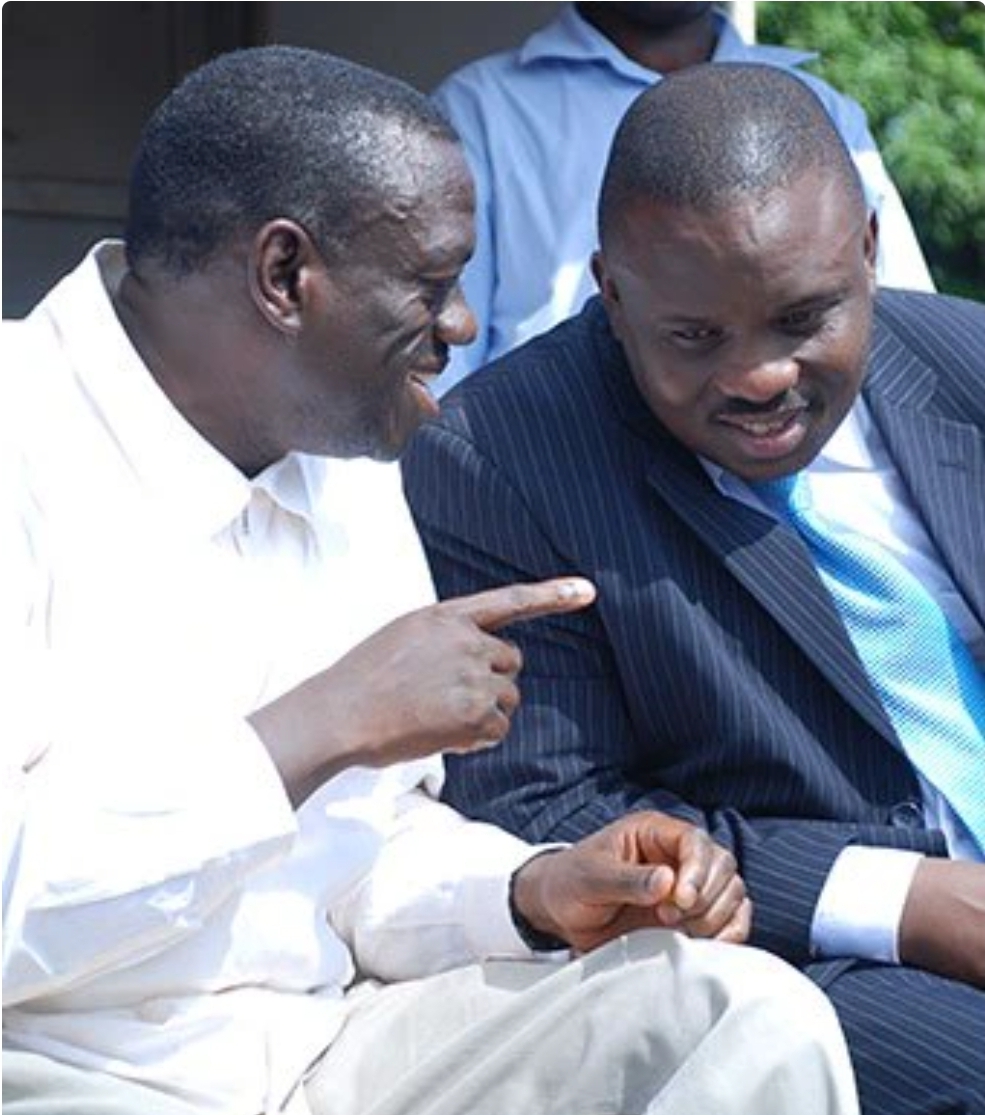 Besigye, Lukwago expected to meet Gen. Salim Saleh today at Kapeeke
Ultimate Uganda
Besigye, Lukwago expected to meet Gen. Salim Saleh today at Kapeeke
Ultimate Uganda
 Rwabwogo Advised to ‘Eat His Bishop’ As MK Prepares to Enter State H’se: PREZ MUSEVENI ON HIS WAY OUT
Ultimate Uganda
Rwabwogo Advised to ‘Eat His Bishop’ As MK Prepares to Enter State H’se: PREZ MUSEVENI ON HIS WAY OUT
Ultimate Uganda
0 Comments