
School forced to pay fees after rejecting learner with albinism from boarding section

Kampala-based school has been compelled to pay school fees for a learner with albinism until completion of their education after the institution allegedly refused to admit the child to its boarding section on grounds linked to harmful myths about albinism.
The intervention by the Equal Opportunities Commission (EOC) followed complaints from the learner's family after school administrators reportedly barred the child from joining the boarding section in Primary Five despite having studied at the school since nursery level.
The identity of the school has been withheld to avoid victimization.
According to the EOC, the school cited fears rooted in superstition and misinformation, claiming that people with albinism could transform into lions at night and harm other learners.
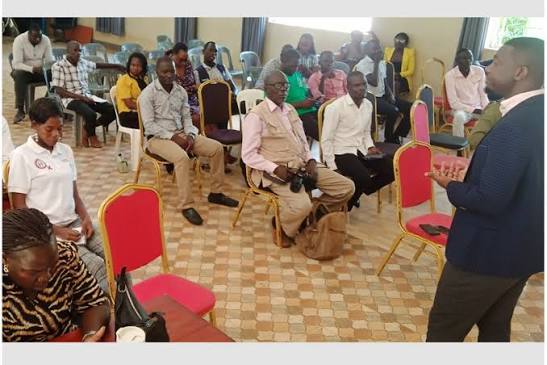
Speaking to journalists in Lira City on Thursday, EOC spokesperson Yusuf Muziransa described the school's actions as blatant discrimination.
"This child had studied in the school from nursery up to Primary Five. When the time came to join the boarding section, the administration refused to admit them because of their disability," Mr Muziransa said.
"The parents kept asking what the problem was until they eventually learnt that the school believed people with albinism turn into lions at night and eat other learners," he added.
According to Mr Muziransa, the school informed the family that the learner could either remain a day scholar or transfer to another institution.
The decision left the child and parents distressed and highlighted the misconceptions that people with albinism continue to face in many communities.
The EOC, a statutory body mandated to eliminate discrimination and promote equal opportunities, engaged the school and successfully negotiated a remedy for the affected learner.
"We told the school that this child has a disability and should be treated like any other learner. Because the child had already become aware of the reasons for the discrimination, we directed the school to pay their fees until they complete their education," Mr Muziransa said.
He revealed that the learner, who is now in Senior Two, is currently benefiting from the arrangement.
However, police said the matter did not amount to a criminal offence.
North Kyoga Regional Police spokesperson, Superintendent of Police Patrick Jimmy Okema, said law enforcement could not prefer criminal charges against the school over its decision regarding accommodation.
"There is no criminal case. The school is saying it cannot accommodate someone in the boarding section, and police cannot institute charges on that basis," Mr Okema said.
The EOC nevertheless maintains that the conduct amounted to discrimination prohibited under Uganda's laws and policies on equal opportunity and inclusion.
Mr Muziransa used the incident to call for greater public awareness about disability rights and the challenges faced by persons with albinism.
"We all risk becoming persons with disabilities at any moment. It is unacceptable to discriminate against anyone because of their appearance or disability," he said.
The Commission also raised concern over continued reports of children with disabilities being hidden from society by their families.
Mr Muziransa said some parents lock children with disabilities inside homes, deny them access to education and social interaction, and prevent them from participating in community life.
"They do not want to be seen as parents of children with disabilities. Some keep these children locked in houses and do not allow them to go to school or even interact with others," he said.
The EOC has called upon media organisations to play a greater role in exposing discrimination and promoting the inclusion of persons with disabilities.
The appeal was echoed by Lira City Principal Assistant Town Clerk Rebecca Acen, who urged journalists to use their platforms to raise awareness and support development initiatives aimed at protecting vulnerable groups.
Advocates say that while the Commission's intervention has brought relief to the affected learner and family, the case exposes persistent prejudice against persons with albinism and highlights the need for continued public education to challenge harmful stereotypes.
"Every child deserves a chance to thrive regardless of their abilities or physical appearance," Mr Muziransa said. "As a society, we must break down barriers and ensure that all children are treated with dignity and respect


 The women who have been in King Oyo’s life
Ultimate Uganda
The women who have been in King Oyo’s life
Ultimate Uganda
 Ex Kagame Guard Commander Tom Byabagamba Dies in Rwandan Prison After 12 Years
Ultimate Uganda
Ex Kagame Guard Commander Tom Byabagamba Dies in Rwandan Prison After 12 Years
Ultimate Uganda
 Government begins salary payments for public sector workers – Reform Committee
Ultimate Uganda
Government begins salary payments for public sector workers – Reform Committee
Ultimate Uganda
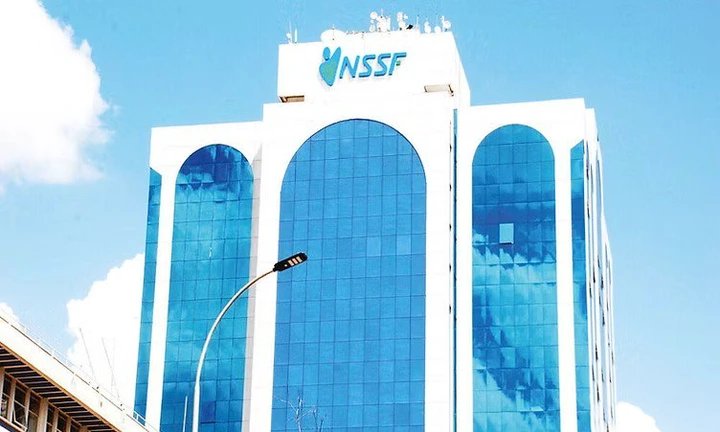 Temangalo land: NSSF, Nzenyi reach agreement
Ultimate Uganda
Temangalo land: NSSF, Nzenyi reach agreement
Ultimate Uganda
0 Comments