
Karuma-Pakwach Highway: How to avoid encounter with elephants
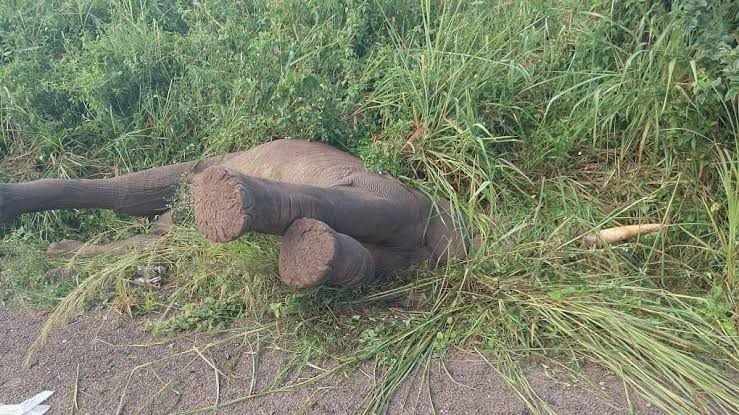

Day and night travel on the Karuma-Olwiyo-Pakwach highway can be smooth, but drivers must exercise caution while navigating Murchison Falls National Park.
The 107-kilometer stretch from Karuma to Pakwach tempts motorists to speed, yet the park is home to giants like elephants that roam in both wet and dry seasons searching for pasture. During the prolonged dry season in Pakwach, animals come closer to the road for fresh grass, and numerous accidents have occurred.
Uganda Wildlife Authority marks the stretch with warning signs for animal crossings and speed limits, but the lesson remains hard-learned.
UWA Assistant Commissioner for Communication, Mr Bashir Hangi, told Daily Monitor the rule is simple: “Follow the guidelines on the road. Always reduce speed in areas known for wildlife crossing. Watch for road signs warning about animals crossing.â€
He urged motorists to avoid speeding in parks day or night. “Be careful because animals can cross at any time. Observe speed limits,†he said.
Mr Hangi warned against the idea that humans and wildlife can freely coexist. “We discourage ideas that they can coexist with animals in communities. It is not practical. People should report to us so that we take precaution. We have scouts who blow equipment to chase the animals. They are wild,†he said.
Driver Mr Joseph Ongom said patience is key when animals appear. “When you see an elephant or any other crossing, do not rush it by hooting. Give it time to cross because it also has a right of way. Some of them can turn wild when you hoot or flash them with lights,†he said. He advised using dim lights and monitoring animal movement.
The danger is real. Driver Mr Musa Ali recalled a night in 2024 just after Purongo town in Nwoya when a huge shadow appeared ahead.
“I got scared and slowed down. It turned out that elephants were crossing from the left to right side of the road. The mother elephant spread her ears and stood protectively beside her calves,†he said.
“I had to stop and reverse to a safe distance. I switched off the bright headlights and waited quietly. I then told the passengers never to take photos because it would flash at them. After five minutes, they crossed into the bush and we left peacefully,†he said.
One passenger later sighed: “If we had continued speeding, we could have crashed into them or would have angered the elephants. And we would have died.â€
“On this road, patience saves lives,†Mr Ali told him. That one careful decision got them home safely.
The risk extends beyond the road. When rains return, elephants move deeper into the park, but during drought months like May, hunger pushes them toward gardens. Ms Joyce Acirocan, 49, of Pakwach said elders taught her never to confront an elephant. “They also told us not to run blindly or use obstacles to hide,†she said.
Rural Initiative for Community Empowerment West Nile trained Purongo communities on safety measures. One night at 1am, elephants entered gardens. Villagers rushed out with torches, drums and whistles, knowing noise can scare them off. But when one charged, they remembered rangers’ advice: never run in a straight open path. “Use obstacles. Hide behind large trees or anthills. Stay downwind if possible,†conservationists had told them.
Tour operators say the highway demands respect. Boniface Kadabara, Team Leader for West Nile Birding and Safari, said: “The Karuma-Pakwach highway is a critical artery where regional commerce, local transit, and fragile ecosystems collide.â€
“For the tourism sector, navigating this road requires a fundamental shift in mindset. We must collectively stop treating park roads as high-speed transit corridors and instead approach them with the absolute reverence, caution, and patience that a world-class wildlife sanctuary demands,†he said.
Kadabara urged strict defensive driving and said vehicles should be “mobile ambassadors for wildlife conservation.†He called for eliminating night driving through protected areas because “large mammals like elephants possess dark hides that blend seamlessly into the night, making them virtually invisible to speeding drivers.â€
“We urge all motorists—from commercial truck drivers to private commuters to remember that we are merely visitors in the animals' home, and driving with humility is the highest form of respect we can offer,†he said.
UWA requires drivers to report injured animals or dangerous situations. For now, the message from drivers, rangers and communities is the same: slow down, watch the signs, and let the elephants pass.
THE DO’S
• Inform UWA rangers
• Observe speed limit to 40Km per hour
• Use safe hiding places.
• Follow the road signage
• Make coordinated noise from a distance.
• For farmers, dig deeper elephant trenches
• Use chili ropes, watchtowers, and beehive fences.
• And most importantly, respect wildlife
• Stop at a distant when you see an elephant
• Be patient, allow it to cross
THE DON’T’S
• Never hoot
• Do not rush/speed
• Never chase elephants with a vehicle.
• Do not speed while on the road.
• Do not throw food for the elephants
• Do not flash at them with headlights or using cameras while at night.
• Never confront an elephant
• Elephant/wildlife is not your friend, don’t befriend them
• Do not assume it is scaring you
• Avoid running downhill in open ground because elephants move very fast.
• Don’t waste time climbing weak tree branches.


 The women who have been in King Oyo’s life
Ultimate Uganda
The women who have been in King Oyo’s life
Ultimate Uganda
 Ex Kagame Guard Commander Tom Byabagamba Dies in Rwandan Prison After 12 Years
Ultimate Uganda
Ex Kagame Guard Commander Tom Byabagamba Dies in Rwandan Prison After 12 Years
Ultimate Uganda
 Government begins salary payments for public sector workers – Reform Committee
Ultimate Uganda
Government begins salary payments for public sector workers – Reform Committee
Ultimate Uganda
 Temangalo land: NSSF, Nzenyi reach agreement
Ultimate Uganda
Temangalo land: NSSF, Nzenyi reach agreement
Ultimate Uganda
0 Comments