
Call it what it is: An abduction is not an arrest
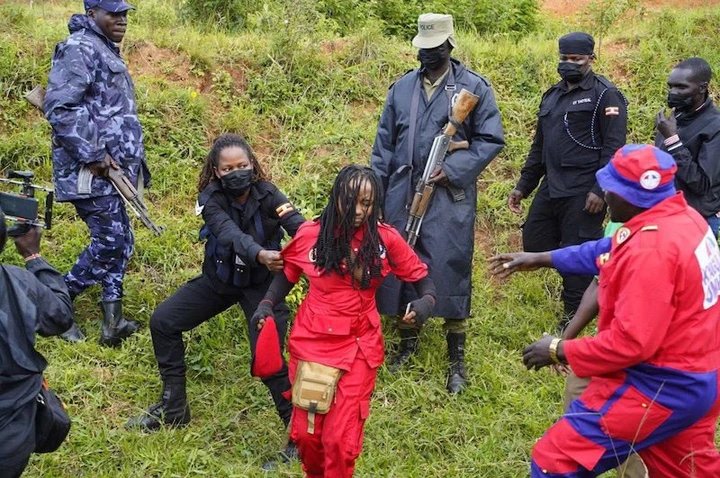

FILE NUP supporters being arrested in Mbarara
I have long seen media houses and individuals reporting that someone “has been arrested,†while others report that “s/he has been abducted.â€
I always wondered whether the two terms were synonymous, but I was troubled by how close I came to falling into that trap.
The army, in uniform, attacks and enters someone’s home, beats them up, throws them into a vehicle or grabs them on the road like luggage, and takes them to an unknown location. Some media houses report this as an “arrest.â€
Assuming they may be unaware of the distinction, let me dig into their meanings. An arrest is the lawful seizure of a person by police or authorized officers using legal authority, typically based on probable cause or a warrant, with the goal of investigating or prosecuting a crime while respecting due process rights.
In contrast, an abduction is the unlawful taking or carrying away of a person against their will by force, fraud, or intimidation, without any legal justification – making it a criminal act itself, often amounting to enforced disappearance.
The key distinction lies in legality and authority: a genuine arrest follows established legal procedures and protects individual rights, whereas abduction violates them through arbitrary force and secrecy. This difference matters deeply, especially when security forces use military-style raids without warrants or transparency.
Mislabeling such incidents as “arrests†by some media outlets can normalize human rights abuses and mislead the public. It is not even morally proper to term such behavior as an arrest! I am well aware that media houses have long played a key role in shaping narratives.
A simple example is how different media outlets reported on the conflict involving Iran, Israel and America, and even the Palestine- Israel and America conflict. Many of them worded their bulletins and articles to portray the oppressor as the oppressed.
It is sickening, disheartening, and inhuman. On one side, I might agree that some act under pressure from the state. But I also believe those who claim that certain media houses work for the state – or are effectively owned by it. Perception is powerful.
The language we choose shapes public understanding, influences accountability, and can either expose injustice or conceal it. When unlawful acts are repeatedly described as lawful, society slowly begins to accept the unacceptable.
That is why words matter. An abduction should not be called an arrest simply because it is carried out by those in uniform. If we continue calling a frog a jumping fish, truth itself becomes the first casualty.
It is fitting to recall the words of the bible, “Do you have eyes but fail to see, and ears but fail to hear?†Sometimes injustice persists not because it is hidden, but because people have grown accustomed to looking away.
For when society ceases to call things by their proper names, truth itself disappears long before people do and eventually, people too disappear.


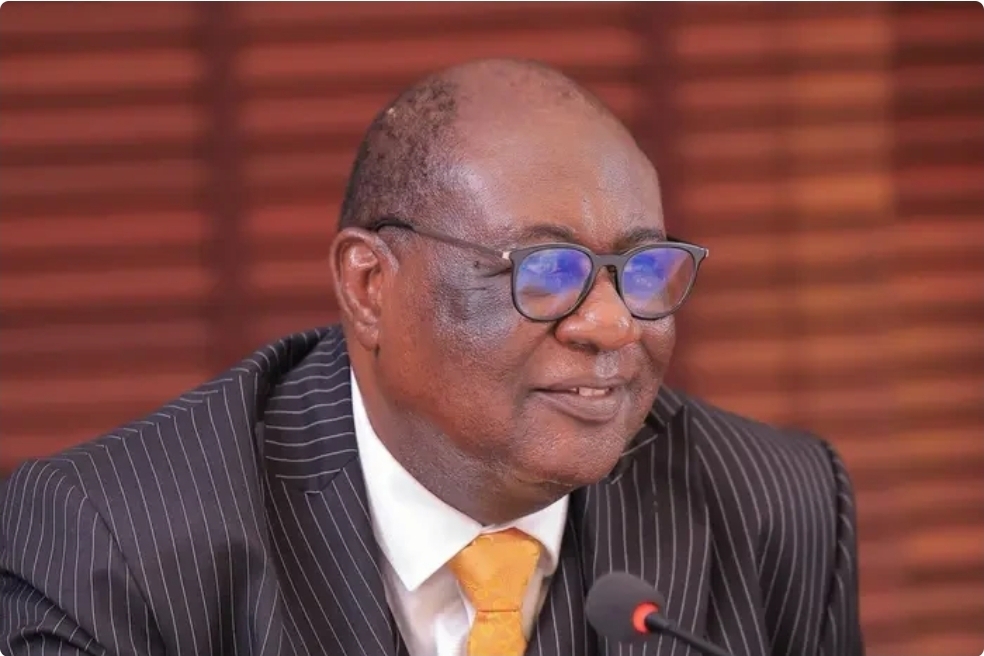 Government will not gazette Kijanangoma as King of Tooro for now - Attorney General insists
Ultimate Uganda
Government will not gazette Kijanangoma as King of Tooro for now - Attorney General insists
Ultimate Uganda
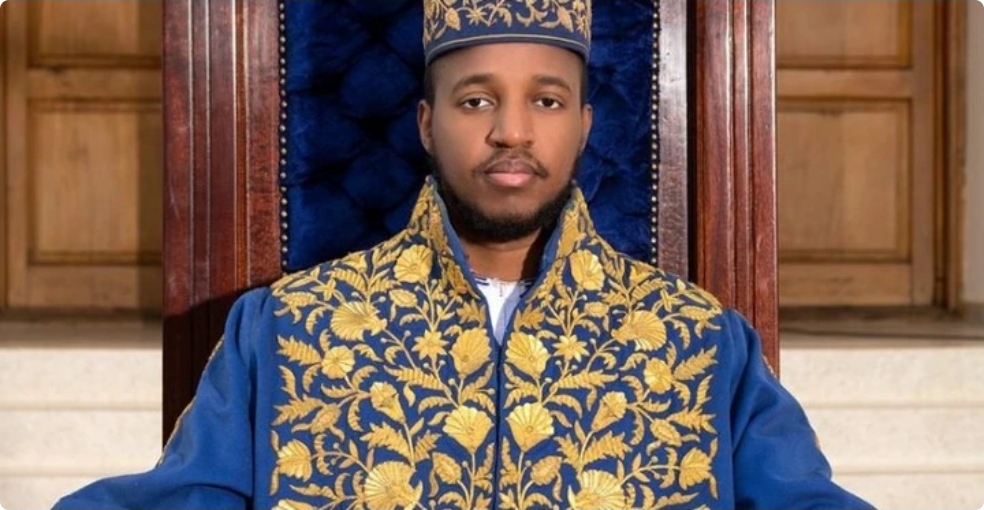 King Oyo’s Body to Arrive Thursday
Ultimate Uganda
King Oyo’s Body to Arrive Thursday
Ultimate Uganda
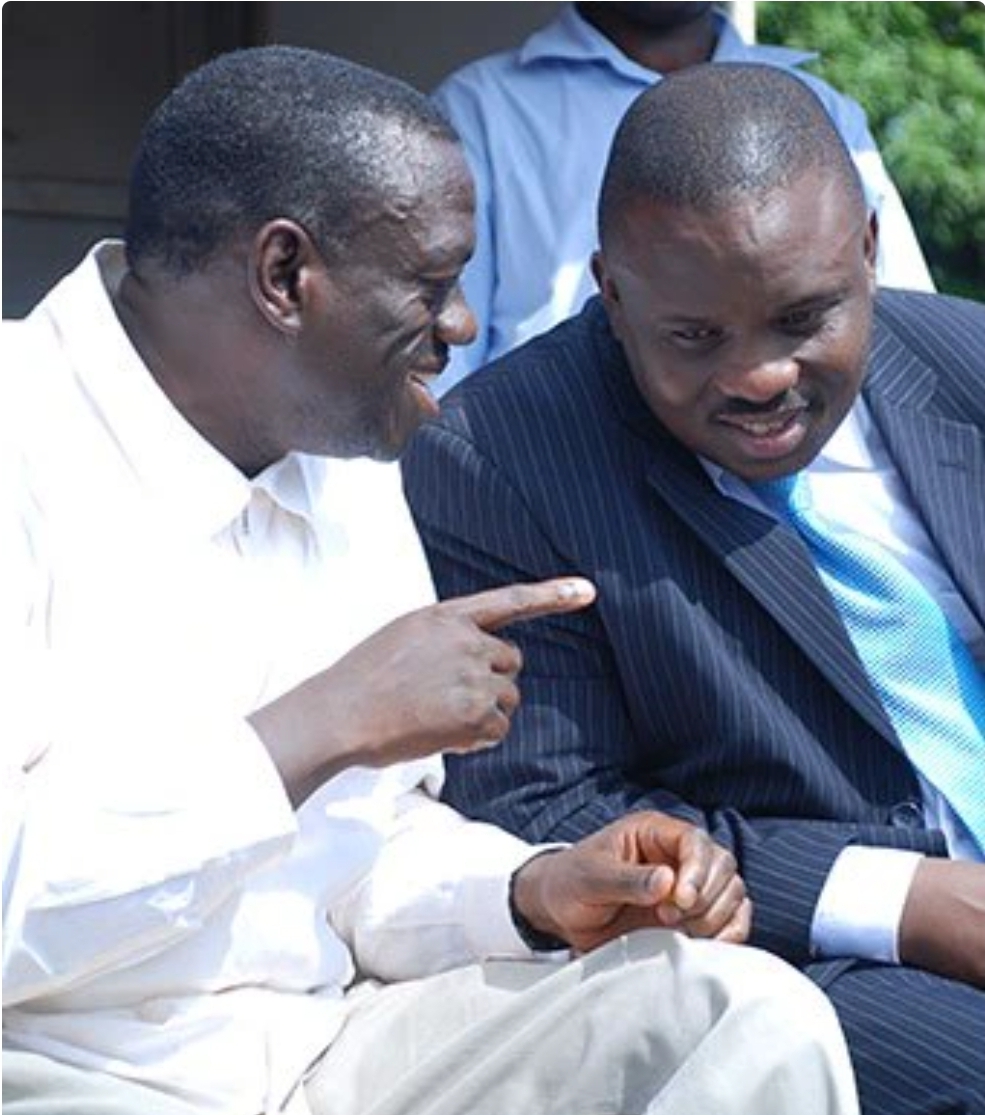 Besigye, Lukwago expected to meet Gen. Salim Saleh today at Kapeeke
Ultimate Uganda
Besigye, Lukwago expected to meet Gen. Salim Saleh today at Kapeeke
Ultimate Uganda
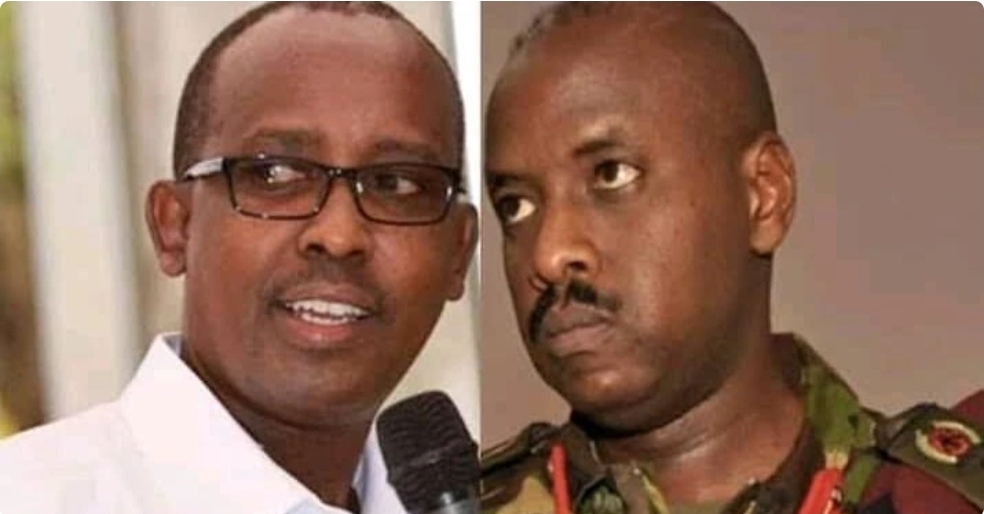 Rwabwogo Advised to ‘Eat His Bishop’ As MK Prepares to Enter State H’se: PREZ MUSEVENI ON HIS WAY OUT
Ultimate Uganda
Rwabwogo Advised to ‘Eat His Bishop’ As MK Prepares to Enter State H’se: PREZ MUSEVENI ON HIS WAY OUT
Ultimate Uganda
0 Comments