
Finally, the IRGC has been banned – but I hope Andy Burnham goes even further

British-Iranian dissident went on a hunger strike to demand that the UK outlaw the brutal military group that directs Tehran’s terrorist proxies. After years of official reluctance, it has now been proscribed as a threat to our national security – but there is much more that the new administration can do to keep us all safe
Tuesday 14 July 2026 10:03 BST
After 1,236 days, the vigil outside the Foreign Office has finally yielded the result for which we have sacrificed
Since February 2023, amid worldwide protests following the death of Mahsa Amini, the young Iranian woman who died in the custody of Tehran’s morality police, my colleagues and I have maintained a camp opposite the department whose decisions shape Britain’s dealings with the Islamic Republic of Iran.
Our ask has been a simple but urgent one: ban the Islamic Revolutionary Guard Corps, an organisation responsible for brutal repression within Iran, intimidation abroad, and the export of violence through its networks within the UK.
It has been a tough three years. I was hospitalised after a 72-day hunger strike. Our encampment has been attacked on several occasions and an arrest made after I was threatened with beheading. Had we not been in such close proximity to police and security services, I worry what might have happened.
In that same period, the IRGC has become ever more emboldened by the inactivity of the UK government. This culminated in a series of appalling arson attacks against the Jewish community in London over the last few months.
Four prime ministers later, legislation has this week been passed that will enable the IRGC to be banned. Home secretary Shabana Mahmood’s announcement that the Islamic Revolutionary Guard Corps (IRGC) will be designated a threat to national security, under the new state-threats framework, is a real breakthrough. It is the clearest admission yet that Britain understands the scale and character of the Iranian threat.
After years of hesitation, the IRGC is finally being placed where it belongs – beyond the protection of diplomatic euphemism and within a legal framework designed to protect Britain. But we should be candid: this is the beginning of a process, not the end of one.
Individuals who knowingly facilitate, finance or organise the IRGC’s work in Britain should be investigated; where the evidence meets the criminal threshold, arrested and prosecuted; and, where immigration law allows, removed after due process. Front organisations, financial channels and networks that operate for the IRGC must be exposed and dismantled. It is no secret that its malign influence can be seen in multiple charities, online channels and Islamic centres. This radicalisation cannot be tolerated any longer.
With Andy Burnham set to become the fifth prime minister since the launch of our campaign, he must be clear that this designation will be followed by aggressive enforcement and not just become another meaningless press release.
Britain’s next prime minister will determine whether today becomes a turning point or a symbolic pause. Burnham can ill-afford to repeat the mistakes of his predecessors and allow British foreign policy to be defined by the forlorn hope that the Islamic Republic can be moderated solely through diplomacy. He must be clear-eyed and internalise the hard truth that Iranian commitments count for little.
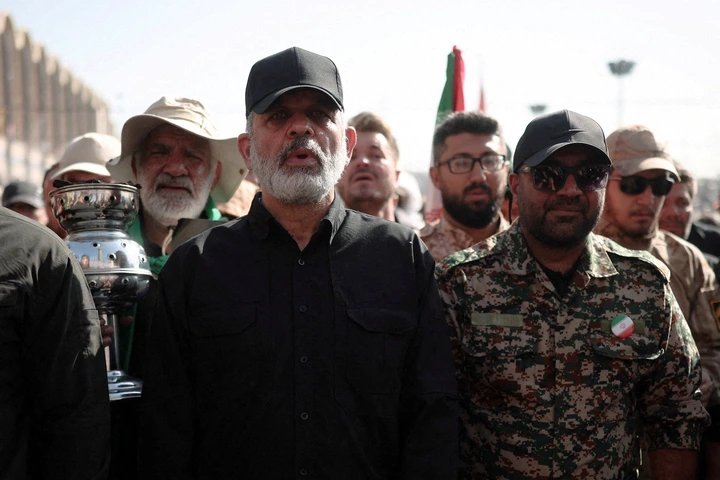
IRGC commander Ahmad Vahidi with other military figures at later supreme leader Ali Khamenei's funeral in Tehran
IRGC commander Ahmad Vahidi with other military figures at later supreme leader Ali Khamenei's funeral in Tehran (Reuters)
The regime and IRGC have shown this yet again through its farcical non-compliance with the ceasefire agreement reached with Donald Trump and its reported desperate attempt to rebuild its nuclear facilities. How many more times will this evil regime be given the benefit of the doubt?
Britain carries weight in global diplomacy, law enforcement, sanctions enforcement and the architecture of international security. When it changes course, others take notice. That is why I have always said that a decisive British move against the IRGC would signal something bigger. Today, the democratic world will be sitting up and listening.
Britain’s decision will shape its relationship with the future Iran: a free country whose people want peace, law and open ties with the world. The government that succeeds the decaying Islamic regime will remember whether Britain stood with the Iranian people in their darkest hour. A free Iran will value partners who stood with the country’s citizens, not their oppressors.
That partnership must begin under Burnham. Keir Starmer’s administration has taken the first step and his successor must now make the choice to stand with Iran’s long-suffering public.


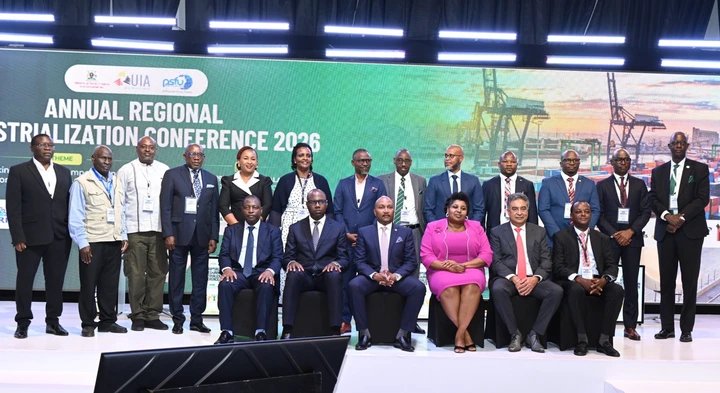 DRC opposition urges Tshisekedi to abandon constitutional changes
Ultimate Uganda
DRC opposition urges Tshisekedi to abandon constitutional changes
Ultimate Uganda
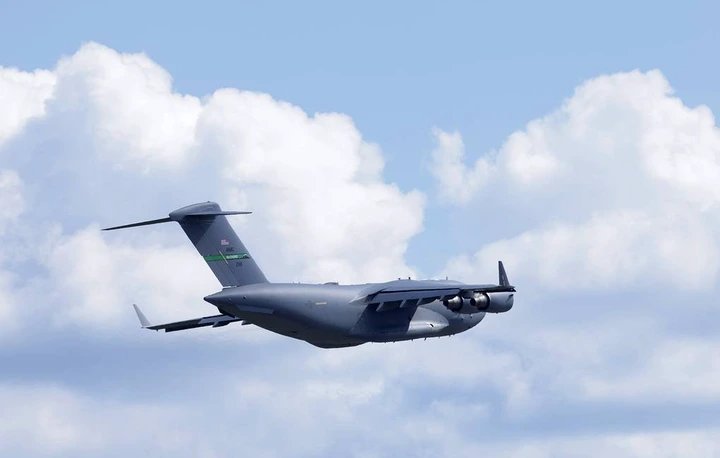 US military transport plane lands in Moscow
Ultimate Uganda
US military transport plane lands in Moscow
Ultimate Uganda
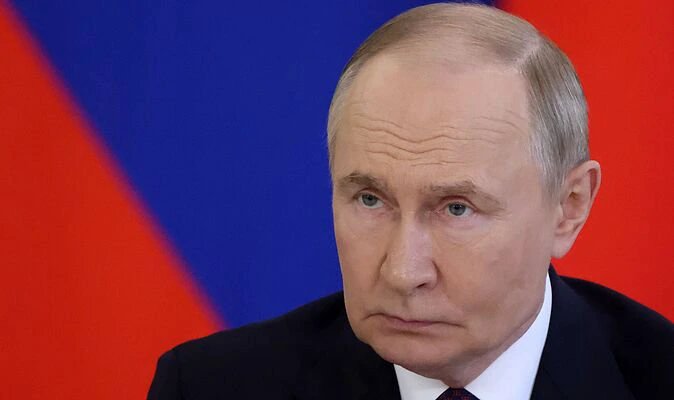 Putin puppet slaps UK with terrifying 2-word warning over drone factories
Ultimate Uganda
Putin puppet slaps UK with terrifying 2-word warning over drone factories
Ultimate Uganda
 China develops hypersonic weapon to hunt US command aircraft thousands of miles away
Ultimate Uganda
China develops hypersonic weapon to hunt US command aircraft thousands of miles away
Ultimate Uganda
0 Comments