
Nation Media Staff Caught Between Uncertainty and Silence
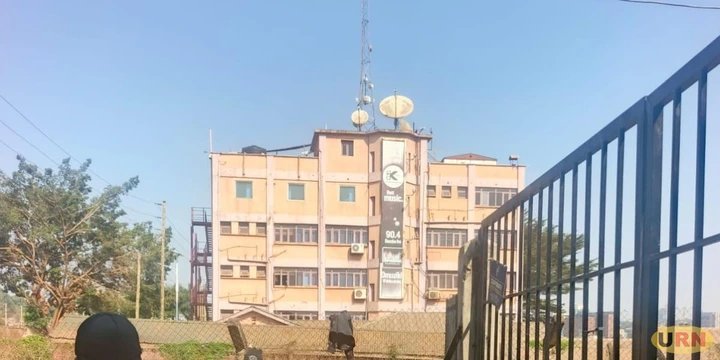

Two weeks after the military sealed off Nation Media Group offices, hundreds of employees remain uncertain about their future as the country’s largest private media house remains closed. Behind the public debate over press freedom and negotiations between the company and government is a growing human story. Employees across the organization say they are grappling with anxiety over their jobs, finances, and when, or if, they will return to work.
Several staff members, who requested anonymity because they were instructed not to speak publicly about the shutdown or ongoing negotiations, described mounting uncertainty.â€Do you remember COVID-19, when people woke up every morning with nowhere to go? That is exactly what this feels like,†an NTV journalist said. “You wake up, but you don’t know what comes next. Your routine is gone.â€
The journalist said the uncertainty becomes more difficult with each passing day. “We all hope the company reopens, but nobody knows when that will happen. There is always a chance things could take longer or change completely. That uncertainty is frightening.†Employees told Uganda Radio Network that while initial conversations focused on the legality of the closure, attention has increasingly shifted to personal concerns, particularly mental wellbeing and financial survival.
“The shutdown came after we had already received our salaries for the month,†a Daily Monitor employee said. “But now everyone is wondering about the next payday. If it doesn’t come, some people have no alternative source of income.†URN has learned that management assured employees on the payroll that salaries will continue in line with their contracts.
While the assurance has eased concerns for permanent staff, it offers little comfort to freelance contributors and contract workers whose earnings depend on published stories, television assignments, photographs and commissioned content. Several freelancers said they are struggling to meet household expenses. Some have turned to savings, while others are relying on relatives or taking temporary work as they wait for the newsroom to reopen.
“I survive on stories,†one freelance reporter said. “If my stories are not published, I do not earn anything. The bills have not stopped because the newsroom is closed.†Another freelance contributor said the shutdown is the longest period without work since entering the profession. “I have spent years building sources and chasing stories every single day. Now I am sitting at home watching major events happen without knowing when I will return to work. The hardest part is explaining to your family why you are home every day when you still don’t know what tomorrow looks like.â€
Not all employees believe the immediate financial impact is equally severe. One journalist argued that while the shutdown has disrupted livelihoods, it should also serve as a reminder of the need for financial planning. “This should be a wake-up call. Journalists need to develop other sources of income because this profession is unpredictable. Even without this shutdown, depending entirely on freelance payments is risky.†Information obtained by URN indicates that employee welfare has become a recurring topic during internal management meetings since the closure. Management has acknowledged growing concerns over staff wellbeing and is arranging counselling sessions alongside departmental meetings to help employees cope with the uncertainty.
Supervisors have also been encouraged to maintain regular contact with staff. Employees said management also acknowledged that freelance contributors and other contract workers have been the hardest hit because their income depends entirely on published work. “Management told employees that it recognises the financial hardship facing freelance contributors and other contract workers. It said their concerns would be addressed once the company resumes operations,†one employee told URN.
Staff have also been informed that discussions between the company and government are continuing, although no timeline has been communicated for reopening. “We are trying to stay hopeful because that is all we have,†another reporter said. “We love this work, and we want to return to it. We only hope those making the decisions remember that behind this shutdown are hundreds of families wondering how they will make it through another week.â€
URN contacted Nation Media Group Uganda management for comment on the situation and the welfare of employees. By publication time, the company had not responded. Speaking at the Uganda Media Centre on Tuesday, ICT Minister Justine Kasule Lumumba acknowledged the challenges facing more than 700 NMG Uganda employees who have been unable to access their workplace since the closure. She said employees could eventually resume work once the security investigation into the company is concluded


 Starlink goes live in Uganda; price comparisons against MTN, Airtel
Ultimate Uganda
Starlink goes live in Uganda; price comparisons against MTN, Airtel
Ultimate Uganda
 NSSF sets September 24 for Annual Members Meeting as savers await interest rate declaration
Ultimate Uganda
NSSF sets September 24 for Annual Members Meeting as savers await interest rate declaration
Ultimate Uganda
 Boda boda riders launch e-commerce, digital loans platform
Ultimate Uganda
Boda boda riders launch e-commerce, digital loans platform
Ultimate Uganda
 Rwanda: We Cannot Sit and Watch As Illicit Alcohol Kills People - Kagame
Ultimate Uganda
Rwanda: We Cannot Sit and Watch As Illicit Alcohol Kills People - Kagame
Ultimate Uganda
0 Comments