
Saudi Cabinet approves updated state revenue system to boost fiscal governance
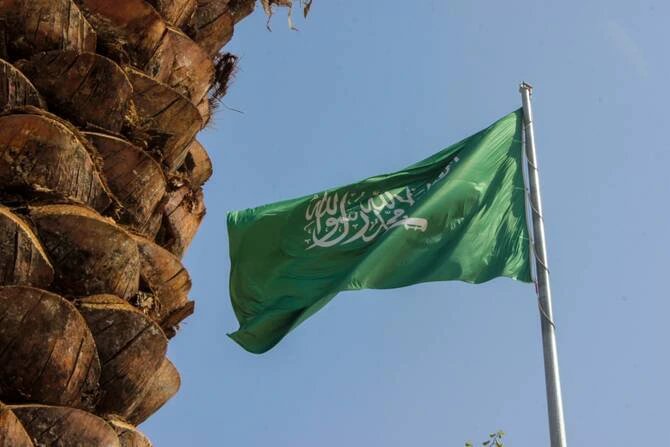

The decision was made during the Cabinet’s session held on July 14 in Jeddah. Shutterstock
RIYADH: Saudi Arabia’s Cabinet has approved an updated state revenue system, a move officials say strengthens governance and boosts the efficiency of managing government revenues.
The decision was made during the Cabinet’s session held on July 14 in Jeddah.
The update comes as part of the broader development of the Kingdom’s financial system, aimed at reinforcing revenue management efficiency, entrenching principles of governance and transparency, and keeping pace with the economic and administrative transformations underway, in line with the targets of Saudi Vision 2030.
According to a statement, Finance Minister Mohammed Al-Jadaan said the move “represents an important step toward developing the governance of government revenues and enhancing the efficiency of their management in a way that supports fiscal sustainability.â€
Al-Jadaan noted that the system helps government entities improve their mechanisms for estimating revenues, raise compliance levels in settling dues, and organize collection procedures and the handling of government debts, achieving a balance between collection efficiency and consideration for the circumstances of those obligated to pay.
New revenue estimating mechanisms
The system contributes to organizing the management of government revenues by defining roles and responsibilities among relevant entities and developing mechanisms for estimating revenues over the medium and long term, supporting financial planning and raising the reliability of estimates.
It also includes procedures for handling the collection of government dues and organizing payment and installment mechanisms according to specific controls, reinforcing financial discipline and supporting the efficient management of the state’s financial resources.
The update follows a string of recent reforms to the Kingdom’s fiscal architecture.
In April, the Cabinet approved regulations for the Non-Oil Revenues Development Center and confirmed the alignment of the fiscal year with the calendar year from January to December, steps aimed at improving fiscal management and revenue diversification.


 DRC opposition urges Tshisekedi to abandon constitutional changes
Ultimate Uganda
DRC opposition urges Tshisekedi to abandon constitutional changes
Ultimate Uganda
 US military transport plane lands in Moscow
Ultimate Uganda
US military transport plane lands in Moscow
Ultimate Uganda
 Putin puppet slaps UK with terrifying 2-word warning over drone factories
Ultimate Uganda
Putin puppet slaps UK with terrifying 2-word warning over drone factories
Ultimate Uganda
 China develops hypersonic weapon to hunt US command aircraft thousands of miles away
Ultimate Uganda
China develops hypersonic weapon to hunt US command aircraft thousands of miles away
Ultimate Uganda
0 Comments