
Joel Ssenyonyi Faces Criticism Over LoP Office Budget Amid Transparency Concerns
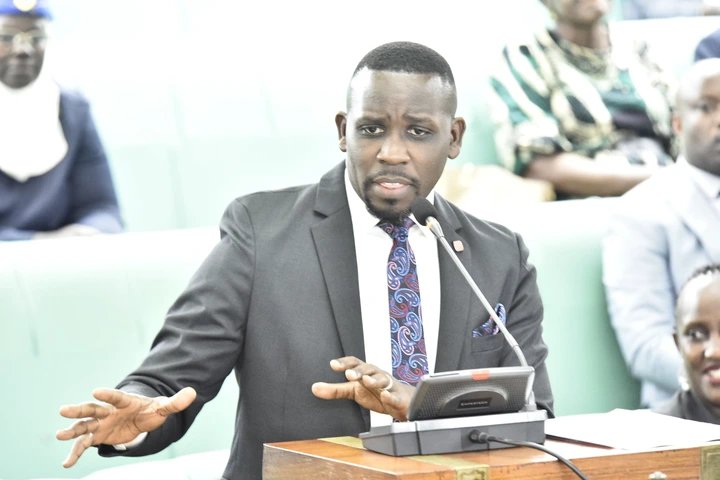

Joel Ssenyonyi
Kampala, Uganda – Former Leader of Opposition (LoP) Joel Ssenyonyi is facing increased public scrutiny over the proposed non-wage budget for the Office of the Leader of Opposition, with critics arguing that his response to concerns has not fully addressed questions of transparency and value for money.
The debate centers on a proposed allocation of approximately UGX 4.243 billion for the LoP office in the 2026/27 financial year. The budget reportedly includes substantial provisions for foreign travel (about UGX 1.458 billion), inland travel (UGX 490.8 million), allowances, workshops, and other operational expenditures.
Public commentary on social media, led in part by activist Gordon Toko and other accountability voices, questioned the scale of the allocation, particularly its monthly equivalent estimated at around UGX 354 million. Critics compared the figures to other parliamentary offices and described the trend as potentially excessive amid ongoing economic pressures facing ordinary citizens.
Ssenyonyi’s Response
In a detailed post on X (formerly Twitter), Ssenyonyi defended the budget, stating that it does not constitute personal income and instead supports the operations of the opposition leadership structure.
He explained that the LoP budget caters to opposition Members of Parliament and staff, unlike the Speaker’s office, and emphasized that he does not have direct control over how funds are spent. According to him, all activities require approval from the Speaker and oversight from the Clerk to Parliament, with some planned expenditures either adjusted or not fully utilized.
Ssenyonyi also pointed to accountability measures during his exit from office, noting that he formally handed over official vehicles, keys, and other institutional assets.
Why Critics Remain Unconvinced
Despite the explanation, accountability advocates argue that key concerns remain unaddressed. They highlight the absence of detailed expenditure breakdowns, limited justification for high travel allocations, and a lack of clear outcome-based reporting on how the funds benefit opposition coordination and legislative work.
Critics further argue that while institutional approval mechanisms exist, they do not automatically guarantee efficiency or value for money. Some have called for broader, independent audits of parliamentary office budgets, including that of the Leader of Opposition.
Supporters, however, maintain that the LoP office plays a critical coordination role for opposition MPs and staff, justifying its operational funding. They also point to Ssenyonyi’s record of holding government institutions accountable as evidence of his commitment to transparency.
The controversy has reignited wider debate on fiscal discipline, consistency, and transparency in the use of public resources within Parliament, particularly at a time of heightened public concern over government spending priorities.
Watchdog Uganda will continue following developments and emerging calls for enhanced disclosure and accountability across all parliamentary offices.


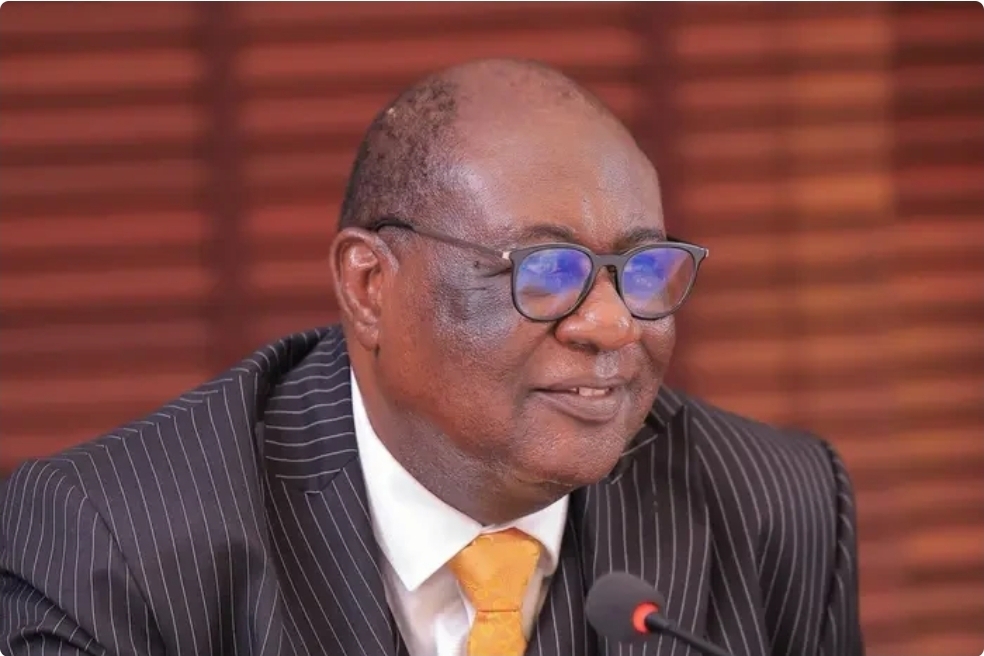 Government will not gazette Kijanangoma as King of Tooro for now - Attorney General insists
Ultimate Uganda
Government will not gazette Kijanangoma as King of Tooro for now - Attorney General insists
Ultimate Uganda
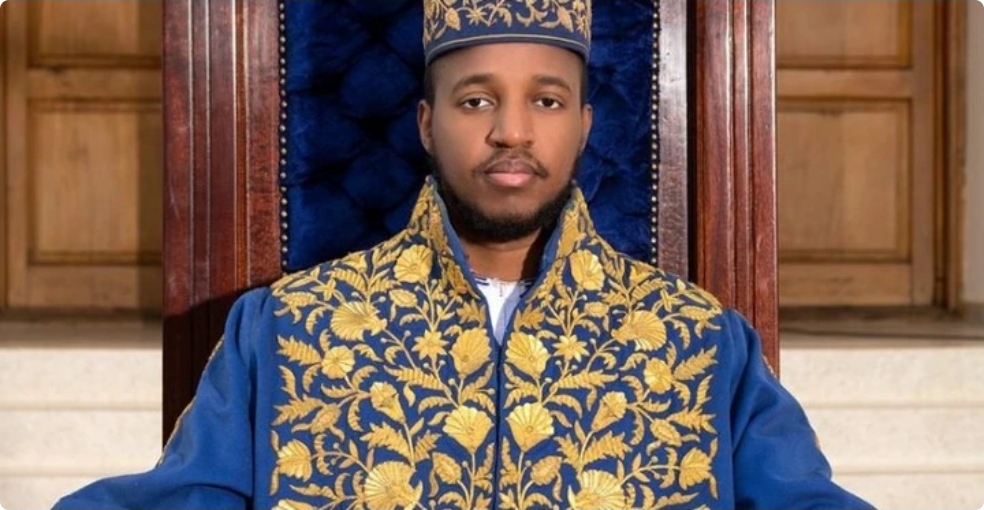 King Oyo’s Body to Arrive Thursday
Ultimate Uganda
King Oyo’s Body to Arrive Thursday
Ultimate Uganda
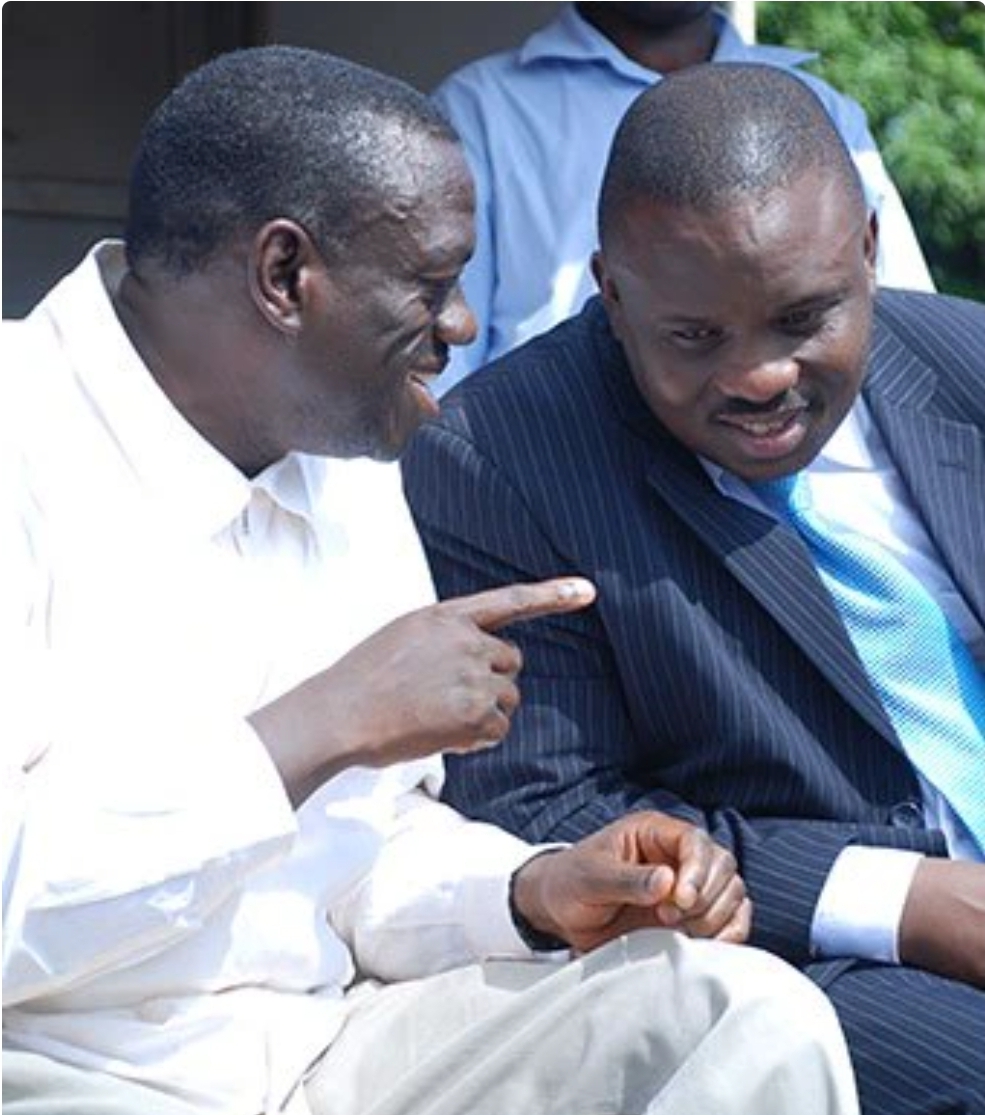 Besigye, Lukwago expected to meet Gen. Salim Saleh today at Kapeeke
Ultimate Uganda
Besigye, Lukwago expected to meet Gen. Salim Saleh today at Kapeeke
Ultimate Uganda
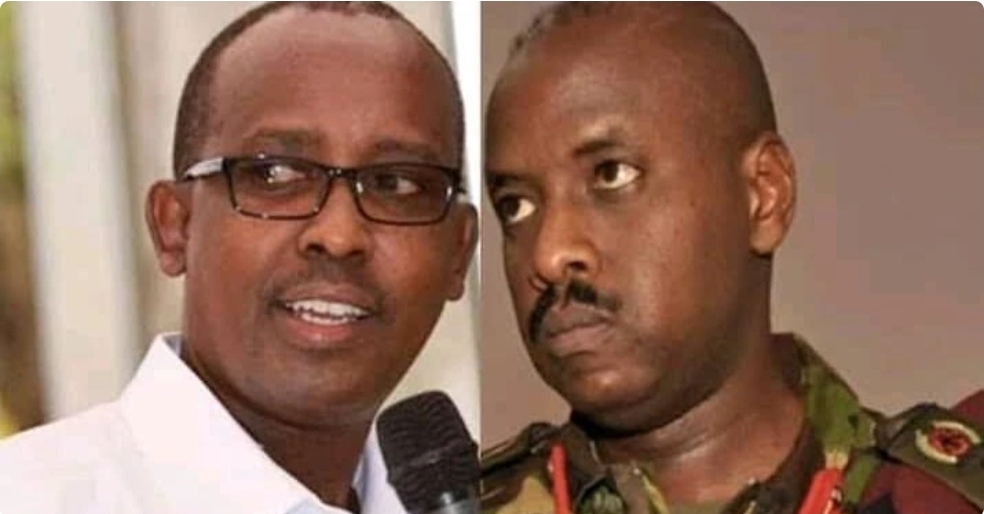 Rwabwogo Advised to ‘Eat His Bishop’ As MK Prepares to Enter State H’se: PREZ MUSEVENI ON HIS WAY OUT
Ultimate Uganda
Rwabwogo Advised to ‘Eat His Bishop’ As MK Prepares to Enter State H’se: PREZ MUSEVENI ON HIS WAY OUT
Ultimate Uganda
0 Comments